



Volunteering in Uganda at Kibale Forest: A Meaningful Adventure in Nature and Community

Volunteering in Uganda at Kibale Forest offers an unforgettable opportunity to connect with nature, support local communities, and experience authentic African culture. Located in western Uganda, Kibale Forest stands among the most biodiverse tropical rainforests in East Africa. The forest attracts travelers from around the world because of its rich wildlife, stunning landscapes, and remarkable conservation efforts.
Many visitors choose volunteering in Uganda at Kibale Forest because they want more than a traditional holiday. Instead of simply observing local life, volunteers actively contribute to environmental protection, community development, education, and sustainable tourism initiatives. As a result, they leave a positive impact while gaining valuable life experiences.
Furthermore, volunteers often stay at Little Monkey Camp, a welcoming eco-friendly accommodation that provides comfort while maintaining a close connection to nature. The camp serves as an excellent base for exploring the forest, participating in volunteer projects, and discovering the surrounding communities.
Whether you have a passion for conservation, education, community outreach, or wildlife protection, volunteering in Uganda at Kibale Forest creates opportunities to make a genuine difference.
Why Choose Kibale Forest for Volunteering?
Kibale Forest National Park covers approximately 795 square kilometers of tropical rainforest. The area supports incredible biodiversity and hosts one of the highest concentrations of primates in Africa. Visitors regularly encounter chimpanzees, red colobus monkeys, black-and-white colobus monkeys, grey-cheeked mangabeys, and many other fascinating species.
However, wildlife represents only one part of the experience. Local communities surrounding the forest depend heavily on sustainable development, education, healthcare improvements, and conservation awareness. Therefore, volunteering in Uganda at Kibale Forest allows participants to support both environmental and human-centered initiatives.
Additionally, the region offers a peaceful atmosphere that encourages personal growth. Volunteers often develop new skills, build international friendships, and gain a deeper understanding of global conservation challenges.
Supporting Conservation Efforts
Conservation remains one of the most important aspects of volunteering in Uganda at Kibale Forest. The rainforest provides critical habitat for countless species. Consequently, conservation organizations and community groups continuously work to protect this valuable ecosystem.
Volunteers may assist with environmental education programs, tree planting projects, habitat restoration initiatives, and community awareness campaigns. These activities help reduce pressure on natural resources while promoting sustainable practices.
Moreover, volunteers frequently participate in data collection and monitoring efforts. Through these activities, conservation teams gain valuable information about wildlife populations and ecosystem health. In turn, they can make informed decisions that strengthen long-term protection strategies.
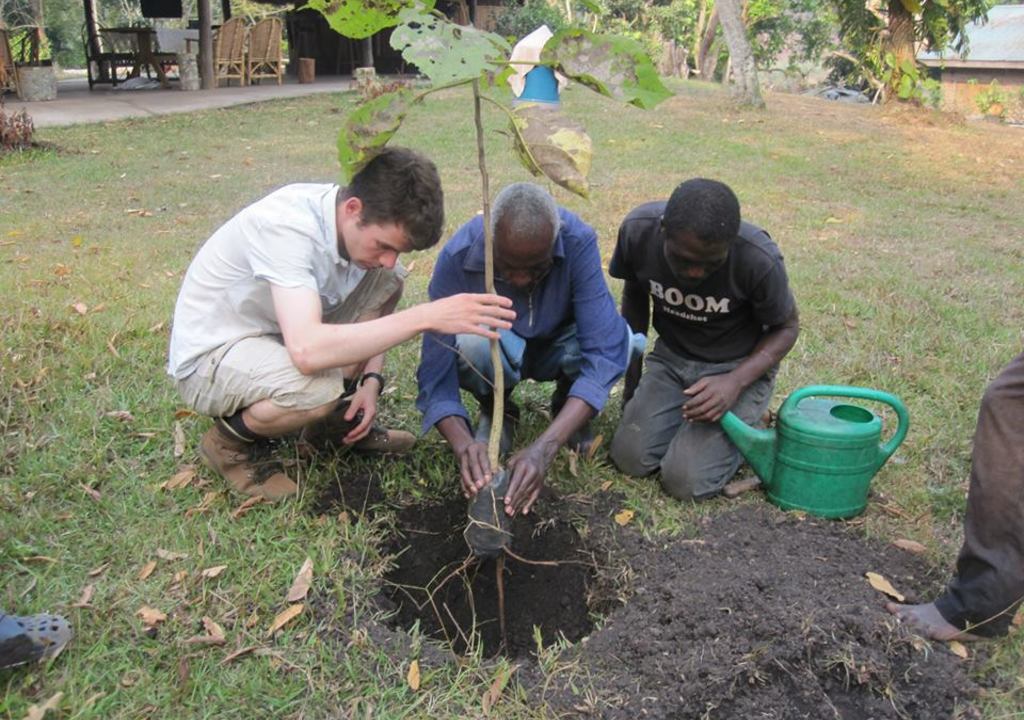
Tree planting projects offer another rewarding opportunity. Volunteers help restore degraded areas, improve biodiversity, and create future habitats for wildlife. Every tree contributes to a healthier environment and supports the ongoing preservation of Kibale Forest.
Community Development Opportunities
Although conservation plays a central role, community development remains equally important. Successful conservation depends on strong relationships between local people and protected natural areas.
For this reason, volunteering in Uganda at Kibale Forest often includes community-focused projects. Volunteers support schools, youth programs, women’s groups, and local development initiatives. These projects create positive outcomes for residents while strengthening community engagement.
Education programs represent a particularly popular volunteer activity. Volunteers may assist teachers, support literacy projects, help organize educational events, or participate in extracurricular activities. Through these efforts, volunteers contribute to improved learning opportunities for children and young adults.
Additionally, volunteers often work alongside local leaders and community organizations. This collaborative approach ensures that projects address genuine needs and support sustainable development goals.
Experience Authentic Ugandan Culture
One of the greatest advantages of volunteering in Uganda at Kibale Forest involves cultural immersion. Unlike standard tourism experiences, volunteering allows visitors to build meaningful relationships with local residents.
Volunteers frequently participate in cultural activities, traditional ceremonies, local markets, and community gatherings. Consequently, they gain valuable insight into daily life in rural Uganda.
Food also plays an important role in cultural exchange. Many volunteers enjoy traditional Ugandan dishes prepared with locally sourced ingredients. These shared meals create opportunities for conversation, learning, and friendship.
Furthermore, cultural immersion helps volunteers develop greater appreciation for diverse perspectives and traditions. Many participants describe these interactions as the most memorable part of their experience.
Stay at Little Monkey Camp
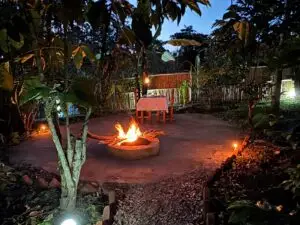
Little Monkey Camp provides an ideal accommodation option for volunteers seeking comfort, convenience, and close proximity to nature. Nestled near Kibale Forest, the camp offers a peaceful environment that complements the volunteer experience.
Guests often wake up to the sounds of birds and primates while enjoying beautiful forest surroundings. The camp creates a welcoming atmosphere where volunteers can relax after productive days in the field.
In addition, Little Monkey Camp encourages sustainable tourism practices. The camp supports responsible travel while helping visitors connect with the natural environment.
Volunteers appreciate the combination of comfort and authenticity. The accommodation allows guests to enjoy modern conveniences without losing the sense of adventure that makes volunteering in Uganda at Kibale Forest so special.
The camp also serves as a meeting point where volunteers share experiences, exchange ideas, and build lasting friendships. As a result, many visitors leave with both unforgettable memories and valuable professional connections.
Wildlife Experiences Beyond Volunteering
Although volunteer work remains the primary focus, participants also enjoy extraordinary wildlife experiences. Kibale Forest offers some of Africa’s best primate viewing opportunities.
Chimpanzee tracking stands among the most popular activities in the region. Guided excursions allow visitors to observe these remarkable animals in their natural habitat. Watching chimpanzees interact, communicate, and move through the forest provides an unforgettable experience.
Bird enthusiasts also find Kibale Forest particularly rewarding. The area supports hundreds of bird species, making it one of Uganda’s premier birdwatching destinations.
Meanwhile, nature walks reveal diverse plant life, butterflies, and smaller forest inhabitants that contribute to the ecosystem’s complexity.
These experiences enhance the value of volunteering in Uganda at Kibale Forest by creating a deeper understanding of the environment volunteers work to protect.
Explore Local Attractions with Peter’s Fishing Tours
In addition to conservation and community activities, volunteers can explore nearby attractions through Peter’s Fishing Tours. This local experience offers visitors the chance to enjoy Uganda’s beautiful waterways while learning traditional fishing techniques and local practices.
Peter’s Fishing Tours provides a unique perspective on rural life and the importance of sustainable resource management. Participants often appreciate the opportunity to interact with local fishermen and gain practical insight into livelihoods that support surrounding communities.
Furthermore, the tours complement volunteer activities by highlighting the connection between environmental conservation and community well-being. Many volunteers choose to include Peter’s Fishing Tours in their itinerary to create a more complete and enriching Ugandan experience.
Volunteer Projects Available in Kibale Forest
Volunteering in Uganda at Kibale Forest provides access to a wide variety of meaningful projects. Therefore, individuals with different skills, backgrounds, and interests can find opportunities that match their goals.
Some volunteers focus on conservation and environmental education. Others contribute to community development, youth empowerment, or sustainable tourism initiatives. Regardless of the project, every volunteer plays an important role in supporting long-term development and conservation efforts.
Environmental Education Programs
Environmental education helps communities understand the value of protecting natural resources. Consequently, many organizations prioritize awareness campaigns and educational outreach activities.
Volunteers often visit schools and community centers to discuss conservation topics. They may help organize workshops, create educational materials, or support environmental clubs. Through these activities, young people learn how healthy ecosystems support livelihoods, biodiversity, and future generations.
Moreover, environmental education encourages local stewardship. When communities understand the benefits of conservation, they become active partners in protecting Kibale Forest.
Tree Planting and Reforestation
Tree planting remains one of the most visible aspects of volunteering in Uganda at Kibale Forest. Forest restoration improves wildlife habitats, reduces soil erosion, and strengthens ecosystem resilience.
Volunteers frequently work alongside community members to plant indigenous tree species. As these trees mature, they help reconnect fragmented habitats and create healthier landscapes for wildlife.
Additionally, reforestation projects provide long-term environmental benefits. New forests absorb carbon dioxide, improve water retention, and support biodiversity. Therefore, every tree planted contributes to a more sustainable future.
Community Outreach Programs
Community outreach initiatives address social and economic challenges while strengthening local development efforts.
Volunteers may support youth activities, health awareness campaigns, skills training workshops, or community improvement projects. These programs encourage collaboration and create opportunities for positive change.
Furthermore, volunteers gain valuable insight into local priorities and challenges. This understanding helps build stronger relationships between visitors and host communities.
Sustainable Tourism Development
Tourism creates employment opportunities and generates income for local communities. However, sustainable tourism practices ensure that economic benefits do not come at the expense of the environment.
Many organizations involved in volunteering in Uganda at Kibale Forest support sustainable tourism initiatives. Volunteers may assist with visitor education, eco-tourism promotion, or community-based tourism projects.
Meanwhile, accommodations such as Little Monkey Camp demonstrate how tourism can support conservation while providing memorable experiences for guests.
A Typical Day as a Volunteer
Many people wonder what daily life looks like during volunteering in Uganda at Kibale Forest. Although schedules vary by project, most volunteers enjoy a balance between meaningful work, cultural activities, and personal exploration.
A typical day often begins early in the morning. The sounds of birds and primates create a natural alarm clock that reminds visitors they are surrounded by one of Africa’s most remarkable ecosystems.
After breakfast at Little Monkey Camp, volunteers usually travel to their project sites. Depending on the program, activities may include tree planting, educational workshops, community outreach, conservation monitoring, or environmental awareness campaigns.
During lunch breaks, volunteers often share meals with local staff and community members. These interactions create opportunities for cultural exchange and meaningful conversations.
In the afternoon, volunteers continue project activities or participate in training sessions. Some programs include workshops that teach conservation principles, community engagement techniques, or sustainable development strategies.
Evenings provide time for relaxation and reflection. Volunteers frequently gather at Little Monkey Camp to discuss their experiences, plan future activities, and enjoy the peaceful forest surroundings.
As a result, each day combines productivity, learning, and adventure.
Benefits of Volunteering in Uganda at Kibale Forest
People choose volunteering in Uganda at Kibale Forest for many reasons. While every participant arrives with unique goals, most discover benefits that extend far beyond their initial expectations.
Personal Growth
Volunteering challenges individuals to step outside their comfort zones. Consequently, participants develop confidence, adaptability, and problem-solving skills.
Living and working in a new environment encourages personal development. Volunteers learn to navigate unfamiliar situations, communicate across cultures, and contribute effectively within diverse teams.
These experiences often create lasting changes that influence future personal and professional decisions.
Professional Development
Many volunteer projects provide opportunities to gain practical experience in conservation, education, community development, tourism, and project management.
Students and professionals frequently use volunteer experiences to strengthen their resumes and expand their knowledge. In addition, employers often value candidates who demonstrate initiative, cultural awareness, and commitment to service.
Therefore, volunteering in Uganda at Kibale Forest can support both personal and career development goals.
Cultural Understanding
Cross-cultural experiences represent one of the most rewarding aspects of volunteering.
Volunteers engage directly with local communities rather than observing from a distance. This interaction creates deeper understanding and stronger connections.
Furthermore, cultural exchange benefits both volunteers and community members. Each group shares perspectives, knowledge, and experiences that enrich mutual understanding.
Meaningful Impact
Many travelers seek experiences that create lasting value. Volunteering provides exactly that opportunity.
Whether planting trees, supporting education programs, or participating in community initiatives, volunteers contribute to projects that generate positive outcomes.
Although individual contributions may seem small, collective efforts create significant long-term benefits for both people and the environment.
The Importance of Community-Based Conservation
Conservation success depends on community involvement. Therefore, many projects associated with volunteering in Uganda at Kibale Forest emphasize community-based conservation approaches.
Community-based conservation recognizes that local residents play a central role in environmental protection. Rather than excluding communities from conservation efforts, this approach encourages participation and collaboration.
For example, environmental education programs help residents understand how healthy ecosystems support agriculture, tourism, water resources, and economic opportunities.
Similarly, sustainable livelihood initiatives reduce pressure on natural resources by creating alternative income sources.
As communities benefit from conservation, support for environmental protection grows stronger. Consequently, both people and wildlife gain advantages from collaborative solutions.
Wildlife You May Encounter
Kibale Forest supports extraordinary biodiversity. Therefore, volunteers often enjoy remarkable wildlife encounters during their stay.
Chimpanzees
Chimpanzees represent the region’s most famous residents. These intelligent primates attract visitors from around the world.
Observing chimpanzees in their natural habitat offers valuable insight into behavior, communication, and social structures. Many volunteers consider chimpanzee tracking a highlight of their experience.
Colobus Monkeys
Several species of colobus monkeys inhabit the forest. Their striking appearance and agile movements make them fascinating to watch.
Visitors frequently encounter black-and-white colobus monkeys moving through the forest canopy in search of food.
Grey-Cheeked Mangabeys
Grey-cheeked mangabeys thrive in Kibale Forest and contribute to the area’s rich primate diversity.
These social animals often travel in groups and display complex behaviors that interest wildlife enthusiasts and researchers alike.
Birds and Butterflies
Kibale Forest also supports an impressive variety of bird and butterfly species.
Birdwatchers appreciate opportunities to observe colorful and unique species throughout the forest. Meanwhile, butterflies add vibrant beauty to trails and forest clearings.
Consequently, nature enthusiasts find endless opportunities for observation and photography.
Why Little Monkey Camp Enhances the Volunteer Experience
Accommodation significantly influences any volunteer experience. Fortunately, Little Monkey Camp offers an excellent environment for both relaxation and engagement.
The camp’s location provides convenient access to volunteer projects, wildlife experiences, and community activities. Therefore, volunteers spend less time traveling and more time participating in meaningful work.
Additionally, Little Monkey Camp creates opportunities for social interaction. Volunteers from different countries often gather to share experiences and learn from one another.
The natural surroundings further enhance the experience. Guests enjoy peaceful evenings, beautiful scenery, and regular wildlife sightings.
Moreover, the camp reflects values that align with conservation and responsible tourism. This commitment reinforces the principles that guide volunteering in Uganda at Kibale Forest.
Exploring Beyond the Forest
While Kibale Forest serves as the primary destination, the surrounding region offers additional attractions worth exploring.
Many volunteers choose to extend their stay and discover nearby lakes, villages, cultural sites, and scenic landscapes.
Peter’s Fishing Tours remains a popular option for visitors who want to experience local traditions while enjoying Uganda’s beautiful waterways. The tours provide insight into community livelihoods and create memorable outdoor experiences.
Furthermore, these excursions help volunteers appreciate the broader relationship between natural resources, local economies, and conservation efforts.
As a result, visitors gain a more complete understanding of the region and its people.
Preparing for Your Volunteer Experience
Proper preparation helps volunteers maximize their impact and enjoy a smoother experience. Therefore, anyone planning volunteering in Uganda at Kibale Forest should spend time organizing travel arrangements, learning about local culture, and understanding project expectations.
Preparation begins long before arrival. Researching the region, climate, wildlife, and community traditions creates realistic expectations and reduces uncertainty. Furthermore, learning a few local greetings demonstrates respect and helps establish positive relationships with community members.
Packing Essentials
Packing wisely contributes to a comfortable and productive volunteer experience.
Volunteers should bring lightweight clothing suitable for warm temperatures and occasional rainfall. Long-sleeved shirts and trousers offer protection from insects and vegetation during forest activities.
Comfortable walking shoes remain essential because many projects involve outdoor work. Additionally, reusable water bottles, sun protection, rain gear, and personal medications help volunteers stay healthy and prepared.
A camera or notebook can also prove valuable. Many volunteers enjoy documenting their experiences and reflecting on lessons learned throughout their stay.
Maintaining Health and Well-Being
Good health allows volunteers to participate fully in project activities. Therefore, maintaining physical and mental well-being should remain a priority.
Drinking clean water, eating nutritious meals, and getting adequate rest support overall health. Fortunately, Little Monkey Camp provides a comfortable environment where volunteers can relax and recharge after active days.
Moreover, volunteers should listen to local guidance regarding safety, weather conditions, and wildlife interactions. Responsible behavior protects both visitors and the environment.
Best Time for Volunteering in Uganda at Kibale Forest
One of the most common questions involves timing. Fortunately, volunteering in Uganda at Kibale Forest remains possible throughout much of the year.
Uganda enjoys a relatively stable climate because of its location near the equator. As a result, volunteers can participate in projects during different seasons.
Dry periods often provide excellent conditions for hiking, wildlife observation, and outdoor project work. Trails generally remain easier to navigate, and volunteers can move comfortably between project locations.
However, rainy seasons also offer advantages. Forest landscapes appear especially lush, vegetation thrives, and tree planting initiatives often benefit from increased rainfall.
Therefore, the best time depends largely on individual preferences and project requirements.
Sustainable Tourism and Responsible Travel
Sustainability forms an important part of volunteering in Uganda at Kibale Forest. Volunteers support projects that promote environmental protection while encouraging responsible tourism practices.
Responsible travel involves making choices that benefit local communities and minimize environmental impact. Consequently, volunteers often adopt habits that support conservation goals.
For example, reducing waste, conserving water, respecting wildlife, and supporting local businesses all contribute to sustainable development.
Little Monkey Camp reflects many of these principles by encouraging environmentally conscious practices and fostering appreciation for the surrounding ecosystem.
Furthermore, sustainable tourism creates economic opportunities that motivate communities to protect natural resources. This relationship strengthens conservation outcomes while improving livelihoods.
Learning from Local Communities
One of the greatest rewards of volunteering comes from the opportunity to learn directly from local residents.
Communities surrounding Kibale Forest possess valuable knowledge about the environment, agriculture, culture, and regional history. Therefore, volunteers who approach their experience with curiosity and respect often gain remarkable insights.
Traditional practices frequently reveal sustainable approaches to resource management that have evolved over generations. By listening and learning, volunteers develop a deeper understanding of how people and nature coexist.
Additionally, cultural exchanges create meaningful friendships. Many volunteers maintain contact with community members long after returning home.
These relationships often become lasting reminders of the positive connections formed during volunteering in Uganda at Kibale Forest.
Building Lifelong Memories
Every volunteer arrives with unique expectations. Nevertheless, most leave with stories, friendships, and experiences that remain meaningful for years.
Some remember early mornings spent listening to forest sounds. Others recall community celebrations, educational activities, or successful conservation projects.
Wildlife encounters frequently stand out as unforgettable moments. Seeing chimpanzees, monkeys, colorful birds, and other species in their natural environment creates powerful memories that inspire continued support for conservation.
Likewise, evenings spent at Little Monkey Camp often become cherished highlights. Volunteers gather to share experiences, discuss achievements, and celebrate the impact of their collective efforts.
As a result, volunteering becomes more than a temporary activity. It transforms into a life-changing journey.
How Volunteers Contribute to Long-Term Impact
Meaningful change rarely happens overnight. Instead, lasting progress emerges through consistent effort and collaboration.
Volunteers contribute by supporting ongoing initiatives that organizations and communities continue throughout the year. Whether helping with education programs, environmental projects, or community development activities, every contribution adds value.
For example, a volunteer who plants trees may never see the mature forest that eventually develops. However, future generations will benefit from those efforts.
Similarly, educational support can influence students long after a volunteer’s visit ends. Small actions often create ripple effects that extend far into the future.
Therefore, volunteering in Uganda at Kibale Forest represents an investment in long-term positive change.
Why International Volunteers Choose Kibale Forest
Volunteers travel from around the world to experience Kibale Forest. While many destinations offer volunteer opportunities, this region provides a unique combination of biodiversity, community engagement, and cultural immersion.
The chance to work alongside local communities creates authentic experiences that many travelers seek. Additionally, the area’s remarkable wildlife and natural beauty enhance every aspect of the journey.
Another important factor involves the diversity of volunteer projects. Individuals can contribute in ways that align with their skills, interests, and professional goals.
Furthermore, accommodations such as Little Monkey Camp make it easier for volunteers to enjoy both comfort and adventure throughout their stay.
Consequently, the region continues to attract individuals who want meaningful travel experiences that generate positive impact.
Peter’s Fishing Tours and Local Experiences
Beyond volunteer work, visitors often look for activities that deepen their understanding of local life. Peter’s Fishing Tours offers one such opportunity.
The tours introduce visitors to traditional fishing practices and local perspectives on natural resource management. Participants gain valuable insight into how communities interact with nearby waterways and sustain livelihoods.
Additionally, the experience complements conservation education by highlighting the importance of responsible resource use.
Many volunteers appreciate the opportunity to connect with local residents outside formal project settings. These interactions enrich the overall experience and provide additional cultural understanding.
Combining volunteering in Uganda at Kibale Forest with experiences such as Peter’s Fishing Tours creates a well-rounded and memorable visit.
Frequently Asked Questions
Do I Need Previous Experience to Volunteer?
Most volunteer programs welcome participants from diverse backgrounds. While certain specialized roles may require specific skills, many projects provide training and guidance.
Motivation, adaptability, and a willingness to learn often matter more than previous experience.
How Long Should I Volunteer?
Program lengths vary considerably. Some volunteers stay for a few weeks, while others remain for several months.
Longer stays often allow deeper community engagement. However, shorter visits can still contribute meaningful support.
Is Kibale Forest Suitable for Solo Travelers?
Yes. Many solo travelers choose volunteering in Uganda at Kibale Forest because projects create opportunities to meet like-minded individuals and build friendships.
Little Monkey Camp also provides a welcoming atmosphere where volunteers can connect with fellow participants.
What Makes Kibale Forest Unique?
Kibale Forest combines exceptional biodiversity, vibrant communities, conservation initiatives, and cultural experiences in one destination.
This combination creates opportunities for meaningful engagement that many volunteers find difficult to match elsewhere.
Conclusion
Volunteering in Uganda at Kibale Forest offers far more than a travel experience. It creates opportunities to support conservation, empower communities, develop new skills, and build lasting connections.
The region’s incredible biodiversity, welcoming communities, and meaningful volunteer projects make it one of Uganda’s most rewarding destinations. Whether you participate in environmental education, tree planting, community outreach, or sustainable tourism initiatives, your efforts contribute to positive change.
Little Monkey Camp provides the perfect base for this journey, offering comfort, convenience, and close access to the natural beauty that makes the region so special. Meanwhile, activities such as Peter’s Fishing Tours add another dimension to the experience by introducing visitors to local traditions and livelihoods.
For travelers seeking purpose, adventure, and impact, volunteering in Uganda at Kibale Forest delivers an experience that inspires, educates, and transforms. The memories, friendships, and lessons gained during your time in Kibale Forest will continue to influence your perspective long after your journey ends.