


Fishing and Chimpanzee Trekking at Kibale Forest
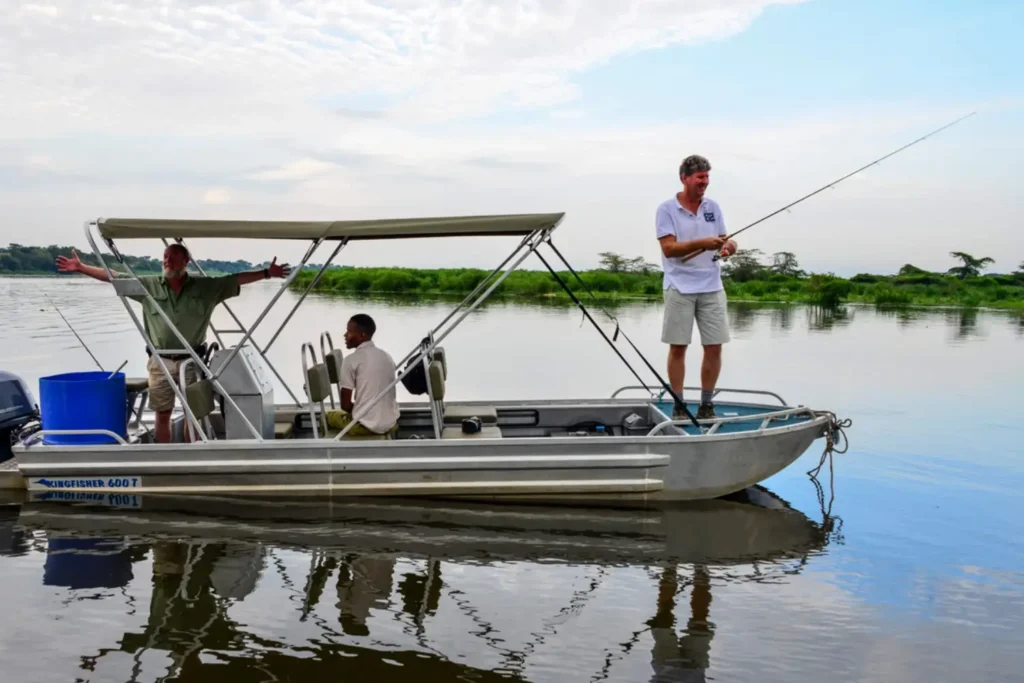
Fishing and Chimpanzee Trekking at Kibale Forest offers an exciting way to combine Uganda’s freshwater adventure with one of East Africa’s most rewarding primate experiences. Instead of spending your entire safari on one activity, you can explore the rainforest in search of wild chimpanzees and then enjoy a relaxing fishing experience in the beautiful waters around the Kibale region. Peter’s Fishing Tours helps travelers organize this combination according to their interests, available time, and preferred level of adventure. Moreover, the experience allows you to discover the natural beauty of western Uganda while enjoying two very different outdoor activities in one memorable journey.
Why Combine Fishing and Chimpanzee Trekking?
A Uganda safari can offer much more than traditional game drives. While wildlife drives introduce visitors to savannah animals, chimpanzee trekking takes you deep into a living rainforest. Fishing, on the other hand, gives you time beside the water, where you can enjoy the quiet surroundings and focus on the excitement of catching fish.
By combining these activities, travelers experience different sides of Uganda. You can start your day beneath the forest canopy and listen to birds, monkeys, and other wildlife. Later, you can head toward a suitable fishing location and spend several hours on the water.
Fishing and Chimpanzee Trekking at Kibale Forest also works well for couples, families, friends, photographers, adventure travelers, and visitors who want a more diverse itinerary. Furthermore, the combination gives you opportunities to enjoy both active exploration and peaceful relaxation.
Peter’s Fishing Tours can help coordinate the fishing component while you enjoy your chimpanzee experience in the Kibale area. The team can also help you build a broader itinerary that includes accommodation, transfers, fishing arrangements, and other attractions in western Uganda.
Discover Kibale Forest
Kibale Forest stands among Uganda’s most famous rainforest destinations. The forest creates an impressive environment for primate encounters because it contains extensive vegetation, mature trees, vines, streams, and forest trails.
Chimpanzees live within this ecosystem alongside several other primate species. As you walk through the forest, you may encounter red-tailed monkeys, black-and-white colobus monkeys, blue monkeys, and other forest wildlife. Birdwatchers can also enjoy numerous species that inhabit the forest.
The atmosphere changes throughout the day. Early mornings often bring cool temperatures and active wildlife. As the sun rises, the forest becomes warmer, while birds and monkeys continue moving through the trees.
Consequently, chimpanzee trekking provides much more than simply finding chimpanzees. It creates an opportunity to experience the rainforest as a complete ecosystem.
What Makes Chimpanzee Trekking Special?

Chimpanzees share many characteristics with humans, which makes an encounter particularly fascinating. Their social behavior, communication, feeding habits, movements, and interactions can provide unforgettable moments for visitors.
During a trek, trained guides lead visitors through the forest. They use their knowledge of the environment and chimpanzee movements to increase the chances of locating the groups.
Once you find the chimpanzees, you can observe them while maintaining the required distance and following the instructions of your guide. The animals may move through the trees, feed on fruit, groom one another, rest, or communicate with members of their group.
Therefore, every trek feels different. One group may remain high in the canopy, while another may move closer to the forest floor. Sometimes the chimpanzees travel quickly, so visitors need to remain attentive.
Photography can also form an important part of the experience. However, travelers should prioritize the welfare of the animals and follow the guidance provided during the trek.
Preparing for the Forest Walk
Good preparation can make your chimpanzee trekking experience more comfortable. Although the difficulty varies depending on the conditions and location of the chimpanzee group, forest trekking requires suitable clothing and footwear.
Wear comfortable hiking shoes with good grip. Forest trails can become slippery, particularly after rainfall. Long trousers can help protect your legs from vegetation and insects, while a lightweight long-sleeved shirt can provide additional protection.
A small backpack can carry your drinking water, snacks, camera, rain jacket, sunscreen, and other personal items. However, avoid carrying unnecessary heavy equipment because you may walk for several hours.
You should also prepare for changing weather. Kibale can experience rainfall even when the morning starts with clear skies. A lightweight waterproof jacket can therefore prove useful.
Most importantly, listen to your guide throughout the trek. The guide understands the forest environment and can help you move safely while respecting wildlife.
The Fishing Experience
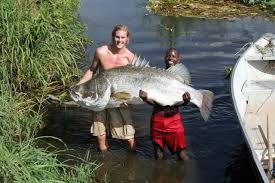
After exploring the forest, fishing provides a completely different atmosphere. Instead of walking beneath dense vegetation, you can spend time beside or on the water while focusing on your fishing technique.
Peter’s Fishing Tours can help organize fishing activities around the Kibale region and incorporate them into a wider Uganda adventure. Depending on the selected fishing location, travelers may target different freshwater species and use different fishing methods.
The exact fishing location matters because Kibale itself represents a forest ecosystem rather than a single large fishing lake. Therefore, your itinerary should identify a suitable nearby fishing destination according to the type of fishing you want.
Some travelers prefer a short fishing session after trekking, while others prefer a full fishing day. Your choice can depend on your schedule, fishing interests, and the amount of time you want to spend in the area.
Fishing After Chimpanzee Trekking
A combination itinerary can work particularly well when you arrange the activities carefully. For example, you could dedicate the morning to chimpanzee trekking and spend the afternoon enjoying fishing.
This approach allows you to experience two contrasting environments within the same day or safari program. First, you explore the forest and search for chimpanzees. Then, you leave the forest and enjoy the peaceful surroundings of a fishing location.
However, travelers should consider their energy levels. Chimpanzee trekking can involve several hours of walking, so an intensive fishing session immediately afterward may feel demanding for some visitors.
For that reason, Peter’s Fishing Tours can help create a schedule that balances adventure with rest. You may choose a shorter fishing session, move fishing to the following day, or add an overnight stay before continuing your journey.
Fishing and Chimpanzee Trekking at Kibale Forest for Couples
Couples can enjoy this combination because it offers variety. One partner may love wildlife photography, while the other may prefer fishing. By combining both activities, the itinerary can satisfy different interests.
You can begin with an early forest experience and later enjoy a relaxed afternoon near the water. In addition, you can include comfortable accommodation and scenic stops to create a romantic Uganda adventure.
Couples who enjoy photography can capture forest landscapes, primates, birds, fishing moments, and local scenery. Furthermore, the experience creates plenty of opportunities to enjoy quiet moments away from busy tourist centers.
Peter’s Fishing Tours can help couples design a flexible experience rather than following a rigid schedule.
Fishing and Chimpanzee Trekking for Families
Families can also enjoy a combination of wildlife and fishing, although parents should consider the age and stamina of their children.
Chimpanzee trekking involves walking through natural forest terrain, so younger children may require a suitable alternative depending on the applicable park rules and activity requirements. Parents should discuss the planned trek with their tour operator before booking.
Fishing can provide a more relaxed activity for families because it allows participants to spend time together beside the water.
Children who enjoy nature can learn about fish, forests, birds, insects, conservation, and responsible tourism during the trip. As a result, the safari can become both entertaining and educational.
A Great Choice for Adventure Travelers
Adventure travelers often look for experiences that take them beyond conventional sightseeing. Fishing and Chimpanzee Trekking at Kibale Forest provides exactly that combination.
The forest challenges you to explore trails and remain alert for wildlife. Fishing challenges you to understand the water, select suitable equipment, identify productive areas, and patiently wait for a bite.
These activities require different skills. Trekking rewards observation and physical endurance, while fishing rewards patience and technique.
Moreover, the combination allows you to slow down between active experiences. After walking through the forest, spending time beside the water can create a welcome change of pace.
Wildlife Beyond Chimpanzees

Kibale Forest contains much more wildlife than chimpanzees. During your trek, you may encounter several species of monkeys and numerous bird species.
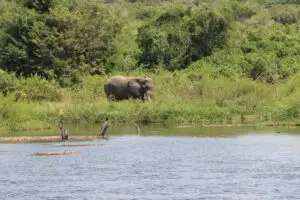
Forest elephants can also occur within the wider ecosystem, although sightings remain unpredictable. Nature does not follow a fixed schedule, so visitors should approach every wildlife encounter as a special opportunity rather than an expectation.
Birdwatchers can also find plenty to enjoy. The forest environment supports species that depend on mature vegetation and forest habitats.
Because of this biodiversity, you should keep your eyes and ears open throughout the trek. Sometimes a sound from the canopy can reveal an animal before you see it.
The Importance of Responsible Tourism
Responsible tourism plays an important role in protecting Uganda’s natural attractions. Visitors should respect wildlife, avoid littering, follow park regulations, and listen carefully to their guides.
Never attempt to touch or feed wild animals. You should also avoid shouting at wildlife or attempting to force an animal into a better position for photography.
During fishing activities, responsible anglers should follow local fishing regulations and use appropriate equipment and methods. They should also avoid leaving fishing lines, hooks, plastic, or other waste in the environment.
Peter’s Fishing Tours encourages travelers to enjoy Uganda while respecting the ecosystems that make these experiences possible.
Best Time for the Experience
Uganda offers year-round travel opportunities, and Kibale remains an attractive destination throughout the year. However, weather conditions can influence trekking and fishing experiences.
Dry periods can make some forest trails easier to navigate. Nevertheless, rainfall can occur at any time, and the rainforest can remain beautiful and productive during wetter conditions.
Fishing conditions can also change according to weather, water levels, fish behavior, and the selected fishing location.
Rather than focusing only on a particular month, travelers should consider the entire itinerary. Peter’s Fishing Tours can help you plan your fishing activity around the rest of your Uganda safari.
What to Bring for Chimpanzee Trekking
Preparation starts with the right equipment. Consider bringing:
- Comfortable hiking boots
- Long trousers
- Lightweight long-sleeved clothing
- A waterproof jacket
- Drinking water
- Snacks
- Insect repellent
- Sunscreen
- A hat
- Small backpack
- Camera and spare batteries
- Binoculars
- Personal medication
- Waterproof protection for electronic equipment
You should also keep your luggage light during the trek. A smaller backpack makes walking through uneven forest terrain more comfortable.
What to Bring for Fishing
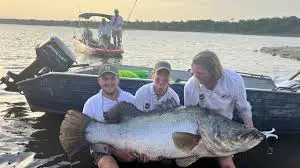
Fishing requires different equipment. Depending on the fishing package, Peter’s Fishing Tours can arrange the essential fishing equipment or advise you about what to bring.
If you prefer to use your own equipment, discuss your fishing plans before traveling. This helps determine whether your rods, reels, lines, lures, hooks, and other equipment suit the target species and fishing method.
You should also carry sun protection, drinking water, suitable clothing, and waterproof storage for valuable items.
If you plan to spend many hours fishing, comfortable clothing becomes particularly important. Weather can change quickly, so prepare for both sunshine and rain.
Combining Kibale With Other Uganda Attractions
One advantage of choosing Kibale as part of a larger Uganda safari involves the number of attractions available within the wider region.
Travelers can combine chimpanzee trekking with cultural experiences, crater lakes, nature walks, birdwatching, and other activities. You can also connect Kibale with destinations such as Queen Elizabeth National Park, Semliki, Fort Portal, and other parts of western Uganda.
This flexibility allows travelers to create short or extended itineraries.
For example, a traveler with limited time could spend a few days around Kibale and include chimpanzee trekking and fishing. A traveler with more time could continue toward Queen Elizabeth National Park for wildlife viewing before exploring another part of Uganda.
Peter’s Fishing Tours can help coordinate these experiences as part of a customized safari.
Example Two-Day Adventure
A two-day itinerary can provide a good introduction to the region.
Day One: Arrival and Forest Experience
Arrive in the Kibale area and settle into your accommodation. Depending on your arrival time, you can enjoy a relaxed nature walk, visit a nearby community attraction, or simply rest.
Later, prepare for the following day’s chimpanzee trekking experience.
Day Two: Chimpanzee Trekking and Fishing
Start your morning with chimpanzee trekking. After breakfast and preparation, meet your guide and enter the forest.
Spend the morning searching for chimpanzees and observing the rainforest environment. After the trek, enjoy lunch and take some time to relax.
Later, begin your fishing experience with Peter’s Fishing Tours. Spend the afternoon focusing on freshwater fishing before returning to your accommodation.
This itinerary provides a balanced combination of wildlife, forest exploration, fishing, and relaxation.
Example Three-Day Adventure
Travelers with more time can choose a three-day itinerary.
Day One
Arrive in the Kibale region, check into your accommodation, and enjoy a relaxed afternoon. You can explore the surrounding area or visit a local attraction.
Day Two
Dedicate the morning to chimpanzee trekking. After the forest experience, enjoy lunch and rest during the afternoon.
In the evening, prepare your fishing equipment and discuss the next day’s fishing arrangements.
Day Three
Enjoy a full fishing experience with Peter’s Fishing Tours. Depending on the selected destination and fishing target, spend several hours on the water before returning to continue your Uganda journey.
This approach reduces pressure on the itinerary and gives you enough time to enjoy each experience.
Why Choose Peter’s Fishing Tours?
Peter’s Fishing Tours focuses on creating fishing experiences for travelers who want to explore Uganda through angling. The company can help travelers combine fishing with other tourism activities rather than treating fishing as an isolated experience.
When you combine fishing with chimpanzee trekking, you gain a more diverse safari experience. You can spend time exploring Uganda’s forests while also pursuing your interest in freshwater fishing.
Peter’s Fishing Tours can help with fishing arrangements, itinerary planning, equipment guidance, transportation coordination, and advice about combining fishing with other Uganda attractions.
The goal involves creating an experience that matches your available time and interests.
Photography Opportunities
Photography adds another dimension to the adventure. Kibale provides opportunities to photograph forest landscapes, primates, birds, vegetation, and local communities.
Chimpanzees can move quickly, so patience helps photographers capture strong images. A camera with a suitable zoom lens can make wildlife photography easier, particularly when animals remain in the canopy.
Fishing also provides excellent photography opportunities. Anglers can photograph the surrounding landscape, fishing equipment, the action of casting, and memorable catches.
Always prioritize responsible wildlife viewing. A great photograph should never come at the expense of animal welfare.
Supporting Local Communities
Tourism can contribute to communities around Uganda’s major attractions. Visitors spend money on accommodation, transport, guiding, meals, activities, crafts, and other services.
By choosing locally operated tourism services, travelers can contribute to Uganda’s tourism economy.
A well-planned safari can therefore create benefits beyond the individual traveler. It can support guides, drivers, accommodation providers, fishing crews, craft sellers, restaurants, and other community members.
Peter’s Fishing Tours works within Uganda’s tourism sector and helps visitors connect their fishing interests with broader travel experiences.
Safety During the Experience
Safety should remain a priority throughout your adventure.
During chimpanzee trekking, stay with your group and follow your guide. Avoid wandering away from the designated group or approaching wildlife.
During fishing, follow instructions from the fishing guide or boat crew. If the experience involves a boat, use the provided safety equipment and remain attentive to changing weather conditions.
Drink enough water and protect yourself from excessive sun exposure. Furthermore, inform your tour operator about any dietary requirements or other practical considerations before the trip.
Good preparation reduces unnecessary challenges and allows you to concentrate on enjoying the experience.
Cultural Experiences Around Kibale
The Kibale region also offers opportunities to interact with local communities and learn about daily life.
Community visits can introduce travelers to local traditions, food, agriculture, crafts, music, and storytelling. These experiences can complement chimpanzee trekking because they allow visitors to understand the people who live around the forest.
You can also purchase locally made crafts as souvenirs. Responsible purchasing can provide direct support to artisans and community businesses.
Therefore, consider adding a cultural experience to your itinerary if you want to understand more about the region beyond its wildlife.
Fishing and Chimpanzee Trekking at Kibale Forest for First-Time Visitors
First-time visitors to Uganda can enjoy this combination without needing extensive previous experience. Your guides can explain the activities and help you understand what to expect.
Chimpanzee trekking requires a willingness to walk and explore natural terrain. You do not need to become an expert wildlife tracker because your guide handles the tracking process.
Fishing also welcomes beginners. Your fishing guide can explain casting techniques, bait or lure selection, equipment handling, and basic fishing practices.
Experienced anglers, meanwhile, can request a more specialized fishing experience based on their interests.
This flexibility makes Fishing and Chimpanzee Trekking at Kibale Forest suitable for travelers with different levels of experience.
Planning Your Safari
Successful safari planning begins with understanding your priorities. If chimpanzee trekking represents your main interest, allocate enough time for the forest experience. If fishing represents the primary goal, allow additional time for the fishing component.
Your travel dates, accommodation location, transport arrangements, fishing destination, and other activities should work together.
Avoid creating an itinerary that leaves no room for delays. Forest activities and wildlife experiences depend on nature, while road travel can take longer than expected.
A flexible schedule creates a more relaxed experience.
Peter’s Fishing Tours can help you organize the fishing side of the itinerary while incorporating it into your broader Uganda travel plans.
Accommodation Around Kibale
Travelers can choose from different accommodation styles around Kibale, depending on budget and preferences.
Options can include campsites, budget accommodation, mid-range lodges, and more comfortable safari properties.
Little Monkey Camp, for example, provides an accommodation option close to Kibale Forest and can suit travelers who want to stay near the forest experience. The surrounding area also provides access to other attractions and activities.
When selecting accommodation, consider its distance from your planned activities, meal arrangements, room facilities, parking, and transport access.
A convenient location can reduce travel time and make early morning activities easier.
How Long Should You Stay?
The ideal length depends on your interests. A short stay can cover chimpanzee trekking and a brief fishing session, while a longer stay allows you to explore the region more thoroughly.
Two or three days can provide a good introduction. However, anglers who want a serious fishing experience may prefer additional time.
Longer stays also create opportunities to include birdwatching, cultural activities, crater lakes, nature walks, and other attractions.
Consequently, you should decide whether fishing or chimpanzee trekking represents the central focus of your trip before finalizing the itinerary.
Making the Most of Your Experience
Start your day early whenever your activity schedule allows. Morning hours often provide comfortable temperatures and active wildlife.
Stay patient during both trekking and fishing. Chimpanzees may move through thick vegetation, while fish may require time before they respond to your technique.
Listen to your guides because they know the environment and understand the practical conditions.
Keep your equipment organized and protect valuable items from rain and water.
Finally, take time to enjoy the surroundings. A safari should not become a race from one attraction to another. The forest sounds, landscapes, communities, and quiet moments beside the water form part of the experience.
Frequently Asked Questions
Can I combine chimpanzee trekking with fishing?
Yes. Fishing and Chimpanzee Trekking at Kibale Forest can form part of a customized Uganda itinerary. You can schedule both activities during the same trip while allowing enough time for travel and rest.
How difficult is chimpanzee trekking?
The difficulty varies because chimpanzees move through a natural forest environment. Some treks require relatively short walks, while others may involve several hours of hiking.
Do I need previous fishing experience?
No. Beginners can participate in fishing with guidance from experienced fishing professionals. Experienced anglers can also request a more specialized experience.
Can families participate?
Families can enjoy the fishing component and other Kibale activities. However, parents should confirm age requirements and trekking suitability before booking the chimpanzee experience.
What should I wear?
Wear comfortable hiking clothing, sturdy shoes, and lightweight layers. Carry rain protection because weather conditions can change.
Can I take photographs?
Yes. Photography can form an important part of the experience. However, always follow wildlife viewing rules and your guide’s instructions.
Can Peter’s Fishing Tours organize the fishing experience?
Yes. Peter’s Fishing Tours can help organize fishing activities and incorporate them into a wider Uganda itinerary.
Can I combine Kibale with Queen Elizabeth National Park?
Yes. Travelers often combine destinations in western Uganda to experience different ecosystems and wildlife activities.
Book Your Uganda Adventure
Fishing and Chimpanzee Trekking at Kibale Forest creates a memorable combination for travelers who want wildlife, nature, adventure, and freshwater fishing in one Uganda journey. You can explore the rainforest in search of chimpanzees, observe other primates and birds, and then enjoy the excitement and tranquility of fishing.
The experience becomes even more rewarding when you allow enough time to appreciate each activity rather than rushing between destinations. With careful planning, you can combine chimpanzee trekking, fishing, cultural encounters, nature walks, comfortable accommodation, and other western Uganda attractions.
Peter’s Fishing Tours can help you turn your interests into a practical Uganda safari itinerary. Whether you want a short fishing and wildlife escape or a longer adventure through western Uganda, the team can help coordinate the fishing component and connect it with your wider travel plans.
Choose Fishing and Chimpanzee Trekking at Kibale Forest for an adventure that brings together the forest and the water. Explore one of Uganda’s remarkable rainforest environments, encounter chimpanzees in their natural habitat, enjoy freshwater fishing, meet local communities, and create lasting memories from your Uganda safari.
Plan Your Fishing and Chimpanzee Adventure
Your ideal itinerary can include:
- Chimpanzee trekking in Kibale Forest
- Guided forest exploration
- Primate and birdwatching
- Freshwater fishing
- Fishing equipment and guidance
- Comfortable accommodation
- Local cultural experiences
- Scenic nature excursions
- Transportation coordination
- Additional western Uganda safari destinations
With Peter’s Fishing Tours, you can combine your passion for fishing with Uganda’s exceptional wildlife experiences. Start planning your Fishing and Chimpanzee Trekking at Kibale Forest adventure and discover a different side of Uganda through the forest, water, wildlife, and local culture.
Need more details?