



Introduction to Gorilla Trekking in Uganda and the Rise of Adventure Tourism

Face to Face with Mountain Gorilla: An Unforgettable Wildlife Experience
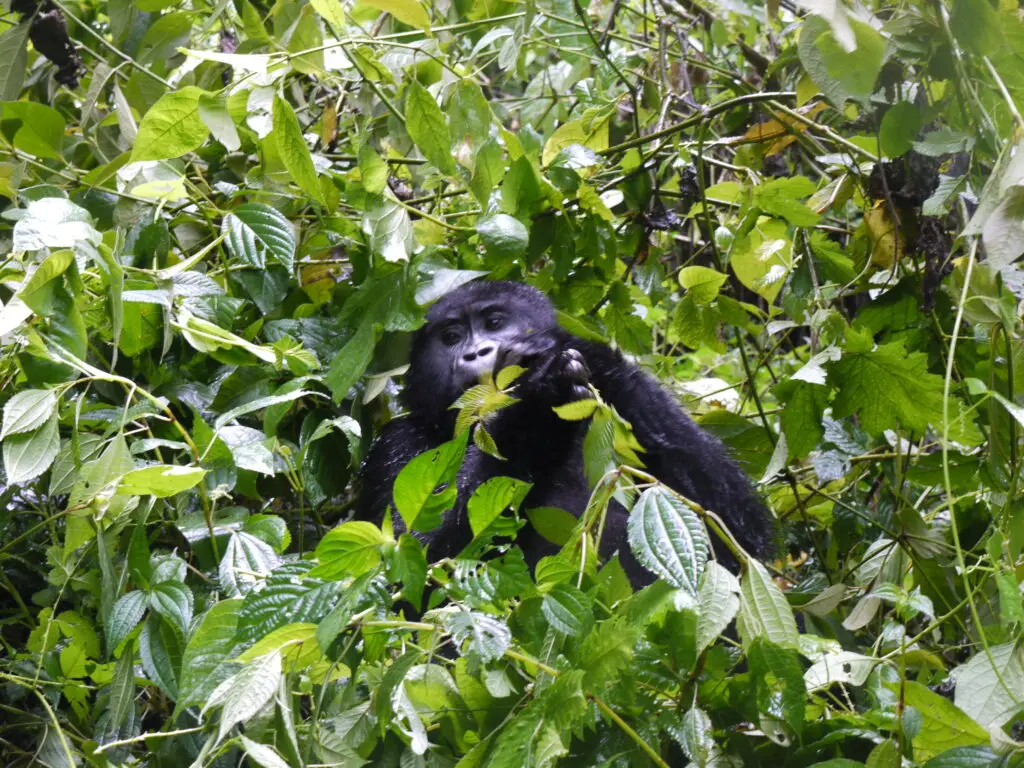
Face to face with mountain gorilla is an extraordinary wildlife experience that few adventures can match. From the moment you step into Uganda’s ancient rainforests, you embark on a remarkable journey that brings you closer to one of the world’s most endangered primates. Moreover, every trek offers a unique opportunity to observe mountain gorillas in their natural habitat while supporting vital conservation efforts. With expertly guided safaris from Peter’s Fishing Tours, travelers enjoy a seamless adventure that combines comfort, safety, and authentic African hospitality.
Why Choose Gorilla Trekking in Uganda?
Gorilla trekking in Uganda stands as one of the most powerful wildlife experiences in Africa today. Travelers from across the world choose Uganda because the country offers rare access to endangered mountain gorillas living in protected rainforests. Furthermore, Uganda boasts exceptional biodiversity, breathtaking landscapes, and welcoming local communities that enrich every safari experience. As you trek through the dense forests of Bwindi Impenetrable National Park or Mgahinga Gorilla National Park, expert guides lead you to habituated gorilla families while sharing fascinating insights about their behavior and habitat.
Consequently, watching these gentle giants interact with one another creates unforgettable memories that last a lifetime. At the same time, every gorilla trekking permit directly supports conservation programs and local communities, ensuring that future generations can also experience the magic of coming face to face with mountain gorilla. Therefore, if you seek an adventure that blends wildlife, culture, and conservation, gorilla trekking in Uganda with Peter’s Fishing Tours offers the ultimate African safari experience.
Uganda hosts two main destinations for this experience: Bwindi Impenetrable National Park and Mgahinga Gorilla National Park. These protected areas shelter more than half of the world’s remaining mountain gorillas. As a result, Uganda attracts eco-tourists, researchers, photographers, and adventure seekers who want to witness wildlife in its purest form.
In addition, the experience of gorilla trekking in Uganda goes beyond sightseeing. Travelers walk through thick jungle, climb steep slopes, and follow expert trackers until they finally reach a habituated gorilla family. At that moment, the encounter becomes unforgettable. Many travelers describe it as the ultimate wildlife highlight of Africa, especially when they experience face to face with mountain gorilla moments that leave lasting emotional impressions.
Furthermore, tour operators like Peter’s Fishing Tours play a major role in shaping this journey. They organize permits, transport, accommodation, and guided trekking experiences. Because of their support, travelers enjoy a smooth adventure from arrival to departure. In fact, Peter’s Fishing Tours continues to grow in reputation because it blends fishing safaris with wildlife trekking experiences, which gives visitors a unique dual-adventure package.
As tourism in Uganda expands, gorilla trekking in Uganda becomes more structured, more accessible, and more sustainable. Local communities benefit from conservation fees, and wildlife protection improves every year. Consequently, travelers not only enjoy adventure but also contribute to conservation efforts.
Ultimately, this introduction sets the stage for a deeper exploration of trekking preparation, routes, safety tips, cultural immersion, and booking strategies. Each section builds on the idea that Uganda offers the most authentic and life-changing gorilla trekking experience in the world.
Planning Gorilla Trekking in Uganda with Expert Tour Operators
Proper planning defines every successful safari, especially when travelers prepare for gorilla trekking in Uganda. Since permits remain limited, visitors must plan early and choose reliable tour operators. Without proper planning, travelers may miss out on the chance to experience face to face with mountain gorilla encounters in protected forests.
First, travelers must secure a gorilla trekking permit. Uganda Wildlife Authority controls these permits and issues them for specific trekking dates. Because demand remains high, travelers should book several months in advance. Additionally, peak seasons such as June to September and December to February require even earlier reservations. Therefore, planning becomes essential for anyone serious about gorilla trekking in Uganda.
Next, travelers must choose the right tour operator. Companies like Peter’s Fishing Tours help visitors organize complete safari packages. They arrange transportation from Kampala or Entebbe, book lodges near trekking parks, and assign experienced guides. As a result, travelers avoid confusion and focus fully on the adventure ahead. Moreover, Peter’s Fishing Tours often customizes itineraries to include fishing experiences along Lake Victoria or Nile River excursions, which enhances the overall safari journey.
In addition, accommodation selection plays a critical role. Lodges near Bwindi Impenetrable National Park provide early access to briefing points. Consequently, trekkers start their journey on time and maximize their chances of encountering gorillas. Many lodges also offer cultural entertainment, local food, and breathtaking views of Uganda’s highlands.
Furthermore, fitness preparation improves trekking success. Although gorilla trekking in Uganda does not require extreme athletic ability, travelers must walk for several hours through uneven terrain. Therefore, light training such as hiking, jogging, and stair climbing helps visitors prepare for forest conditions. When travelers finally reach their assigned gorilla family, they often describe the moment as face to face with mountain gorilla, which justifies every step of the journey.
Additionally, packing correctly ensures comfort and safety. Essential items include waterproof boots, long-sleeved clothing, insect repellent, gloves, and drinking water. Because rainforest conditions change quickly, travelers must prepare for both sunshine and heavy rain.
Finally, communication with your tour operator improves the overall experience. Gorilla trekking in Uganda becomes smoother when travelers confirm pickup times, permit details, and park rules in advance. Reliable operators like Peter’s Fishing Tours ensure every detail aligns with Uganda Wildlife Authority regulations.
The Gorilla Trekking Experience in Uganda’s Rainforests on face to face with mountain gorilla
The actual trekking experience defines the heart of gorilla trekking in Uganda. From the moment travelers enter the forest, they step into a world filled with dense vegetation, mysterious sounds, and rich biodiversity. Rangers guide each group carefully, explaining animal behavior, plant life, and safety protocols.
Early in the morning, trekkers gather at park headquarters for briefing sessions. Rangers assign groups based on fitness levels and gorilla family locations. After that, groups enter the forest in search of habituated gorillas. At this stage, anticipation builds quickly because no one knows how long the trek will last. It may take one hour or several hours depending on gorilla movement.
As trekkers move deeper into the jungle, they often encounter birds, monkeys, and unique plant species. These moments enrich gorilla trekking in Uganda and highlight the ecological diversity of the region. Guides constantly communicate through radios and track fresh gorilla signs such as nests, dung, and broken bamboo.
Eventually, the group slows down. The guide signals silence. At that exact moment, travelers realize they are approaching a gorilla family. The emotional intensity rises. Suddenly, the forest opens slightly, and the encounter happens.
Standing face to face with mountain gorilla becomes the most powerful moment of the entire journey. Silverbacks watch calmly, mothers care for infants, and juveniles play energetically. Although gorillas appear strong, they remain gentle when undisturbed. Rangers maintain strict rules, including maintaining distance, avoiding direct eye contact, and limiting visit duration to one hour.
During this time, travelers take photos, observe behavior, and absorb the moment deeply. Many people say gorilla trekking in Uganda changes their perception of wildlife forever. The emotional connection feels intense because gorillas share nearly 98% of human DNA.
After the visit, trekkers slowly exit the forest. Conversations begin immediately as people share excitement and disbelief. Guides often summarize the experience and explain conservation challenges. In this way, gorilla trekking in Uganda becomes both an adventure and an educational journey.
Finally, travelers return to their lodges with unforgettable memories. Many describe the encounter as life-changing, especially after experiencing face to face with mountain gorilla moments in the wild.
Conservation, Community Impact, and Responsible Tourism
Conservation plays a central role in sustaining gorilla trekking in Uganda. Without strict protection measures, mountain gorillas would face extinction threats from habitat loss, disease, and poaching. Fortunately, Uganda implements strong conservation policies that protect these endangered primates.
Uganda Wildlife Authority enforces strict trekking regulations. Rangers monitor gorilla families daily and track their health. Additionally, they limit tourist numbers to reduce environmental stress. Because of these efforts, gorilla populations continue to grow gradually.
Furthermore, gorilla trekking in Uganda directly supports local communities. A portion of permit fees funds schools, hospitals, and infrastructure development near national parks. As a result, local people actively participate in conservation efforts. They understand that protecting gorillas brings long-term economic benefits.
Tour operators like Peter’s Fishing Tours also support responsible tourism. They educate travelers about park rules, waste management, and respectful behavior. In addition, they encourage eco-friendly travel practices such as reducing plastic use and supporting local crafts.
Community-based tourism programs also thrive in regions near Bwindi Impenetrable National Park. Visitors often engage with local Batwa communities to learn traditional forest survival skills, storytelling, and cultural dances. These interactions enrich gorilla trekking in Uganda by adding cultural depth to the wildlife experience.
Moreover, conservation education ensures long-term protection. Tour guides explain how gorillas interact, how they survive, and how humans can reduce threats. When travelers experience face to face with mountain gorilla, they often develop a stronger commitment to conservation efforts.
In addition, Uganda’s government collaborates with international conservation organizations to fund research and monitoring programs. These partnerships strengthen wildlife protection systems and ensure sustainable tourism growth.
Ultimately, responsible tourism ensures that gorilla trekking in Uganda remains available for future generations. Travelers contribute not only to their personal adventure but also to a global conservation mission.
Travel Tips, Best Seasons, and Final Safari Insights on face to face with mountain gorilla
Successful travel depends on timing, preparation, and smart decision-making. When planning gorilla trekking in Uganda, travelers must consider seasonal weather patterns, permit availability, and overall travel logistics.
The best time for trekking occurs during dry seasons from June to September and December to February. During these months, forest trails remain more accessible, and trekking conditions improve significantly. However, Uganda remains a year-round destination, and even rainy seasons offer rewarding experiences for determined travelers.
Travelers should also consider combining gorilla trekking with other safari experiences. Queen Elizabeth National Park, Murchison Falls National Park, and Lake Bunyonyi offer excellent extensions to any itinerary. Tour operators like Peter’s Fishing Tours design multi-experience packages that include wildlife safaris, boat cruises, and fishing adventures. This combination enhances gorilla trekking in Uganda by adding variety and excitement.
Safety remains a top priority throughout the journey. Rangers enforce strict rules to protect both gorillas and humans. Travelers must maintain silence, avoid sudden movements, and follow guide instructions at all times. These rules ensure that face to face with mountain gorilla moments remain safe and respectful.
Additionally, photography plays a major role in preserving memories. Travelers should carry cameras with good zoom lenses and avoid flash photography. This approach respects wildlife while capturing powerful images of gorilla families.
Budget planning also matters. Costs include permits, accommodation, transport, and guide services. Although gorilla trekking in Uganda requires a financial investment, most travelers consider it worth every dollar because of the unmatched experience it provides.
Finally, reflection completes the journey. After returning home, travelers often describe gorilla trekking in Uganda as one of the most meaningful wildlife encounters in the world. The memory of standing face to face with mountain gorilla stays forever engraved in their minds.
In conclusion, Uganda offers more than a safari. It offers transformation, connection, and conservation impact. With expert operators like Peter’s Fishing Tours, travelers gain access to well-organized journeys that combine adventure and responsibility. Therefore, anyone seeking a life-changing wildlife experience should consider gorilla trekking in Uganda as a top priority.
Need more info?