



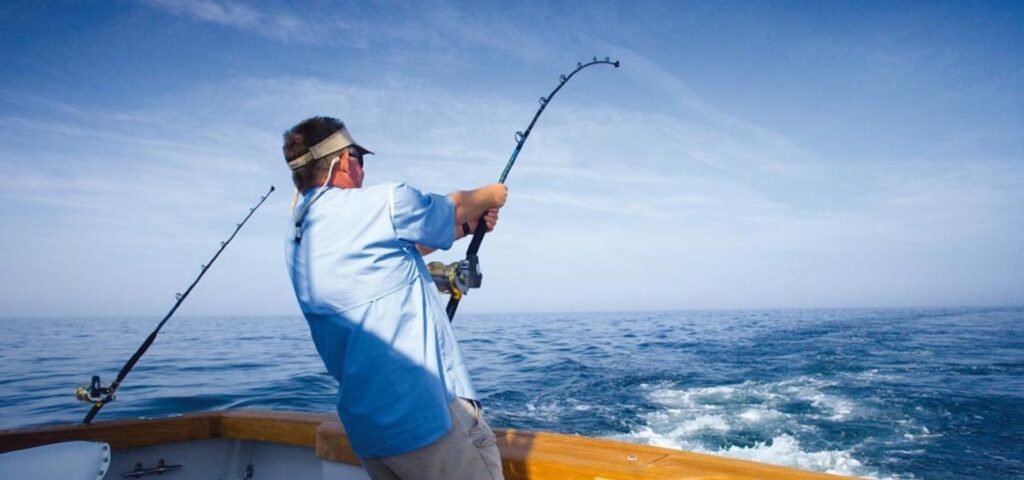
Nile Perch Fishing Methods: The Ultimate Guide for Successful Angling with Peter’s Fishing Tours
Nile perch fishing methods are among the most searched topics by anglers planning a fishing adventure in East Africa. Whether you are a beginner hoping to land your first trophy fish or an experienced sport fisherman seeking a new challenge, understanding the right techniques can significantly improve your success. The Nile perch is one of the world’s largest freshwater predators, known for its explosive strikes, incredible strength, and unforgettable fights.
Moreover, selecting the proper equipment and applying effective strategies can make the difference between an average fishing trip and a once-in-a-lifetime experience. For this reason, many anglers choose Peter’s Fishing Tours, where local expertise, quality equipment, and extensive knowledge of the best fishing grounds help maximize every outing.
In this comprehensive guide, you will learn the best Nile perch fishing methods, recommended tackle, bait selection, seasonal strategies, boat positioning, safety considerations, and expert tips for consistently catching trophy-sized fish.
Understanding the Nile Perch
Before discussing Nile perch fishing methods, it is important to understand the behavior of this remarkable species.
The Nile perch (Lates niloticus) is native to several African freshwater systems and can exceed 100 kilograms under ideal conditions. These fish are apex predators that feed on:
- Tilapia
- Haplochromines
- Small catfish
- Freshwater sardines
- Crustaceans
- Other baitfish
Because they occupy the top of the food chain, they are aggressive hunters that often attack moving prey with tremendous force.
Furthermore, Nile perch prefer:
- Deep drop-offs
- Rocky structures
- Weed edges
- River mouths
- Submerged trees
- Channels with strong currents
Understanding these habitats is the foundation of successful Nile perch fishing methods.
Why Learning Nile Perch Fishing Methods Matters

Many anglers assume that large fish simply require large bait. However, successful fishing depends on combining several factors, including:
- Proper lure selection
- Correct retrieval speed
- Water depth
- Weather conditions
- Time of day
- Seasonal fish movement
- Boat positioning
Consequently, mastering Nile perch fishing methods increases catch rates while reducing wasted effort.
Additionally, experienced guides from Peter’s Fishing Tours understand local fish behavior and can help visitors locate productive fishing areas efficiently.
Best Nile Perch Fishing Methods
Several proven techniques are effective for catching Nile perch. Each method works under different conditions and should be adapted based on water clarity, depth, and fish activity.
1. Trolling
Trolling is one of the most productive Nile perch fishing methods for covering large areas of water.
How It Works
The boat moves slowly while artificial lures or bait are pulled behind at varying depths.
Advantages
- Covers extensive fishing grounds
- Locates active fish quickly
- Effective for trophy specimens
- Suitable for beginners and experts
Recommended Equipment for Nile perch fishing method
- Heavy-action rod
- Large baitcasting reel
- Braided line (50–80 lb)
- Deep-diving crankbaits
- Strong swivels
- Steel leaders
Moreover, varying trolling speed often triggers aggressive strikes.
2. Casting Artificial Lures
Casting remains another highly effective Nile perch fishing method, particularly near structures where fish ambush prey.
Popular lures include:
- Soft plastics
- Swimbaits
- Jerkbaits
- Spinnerbaits
- Deep-diving crankbaits
- Paddle-tail shads
After casting, anglers should vary retrieval speed until fish respond.
Furthermore, pauses during retrieval often encourage strikes from following fish.
3. Live Bait Fishing
Live bait is among the oldest and most reliable Nile perch fishing methods.
Common bait includes:
- Small tilapia
- Local baitfish
- Fresh sardines where permitted
The bait should swim naturally while remaining close to likely predator locations.
Because Nile perch rely heavily on movement, lively bait often produces excellent results.
4. Vertical Jigging
Vertical jigging has gained popularity among experienced anglers targeting deep-water Nile perch.
This technique involves:
- Positioning directly above fish-holding structure.
- Lowering heavy jigs vertically.
- Lifting and dropping rhythmically.
- Maintaining constant line tension.
As a result, aggressive fish frequently strike during the jig’s downward movement.
Choosing the Best Fishing Rod on Nile perch fishing method
Selecting the correct rod is essential for successful Nile perch fishing methods.
Important characteristics include:
- Heavy power
- Fast action
- Length between 6.5 and 8 feet
- Strong guides
- Durable reel seat
Additionally, graphite-composite rods offer both sensitivity and strength.
Selecting the Right Reel
Your reel must withstand powerful runs from trophy fish.
Recommended features:
- High drag capacity
- Corrosion resistance
- Smooth gears
- Large line capacity
Both spinning and baitcasting reels perform well when matched with appropriate tackle.
Best Fishing Line
Strong line prevents break-offs during long battles.
Popular choices include:
- 50 lb braided line
- 65 lb braided line
- 80 lb braided line
Braided line offers:
- Superior sensitivity
- Better hook-setting power
- Increased durability
- Minimal stretch
However, many anglers also attach heavy fluorocarbon or steel leaders to resist abrasion.
Best Time of Day
Timing greatly influences Nile perch fishing methods.
Generally, the most productive periods are:
Early Morning
- Cooler temperatures
- Active feeding
- Reduced boat traffic
Late Afternoon
Fish become increasingly active before sunset, making evening sessions highly productive.
Night Fishing
Large Nile perch often hunt after dark, particularly around lights attracting baitfish.
Seasonal Fishing Patterns
Understanding seasonal movement improves fishing success.
Dry Season
Benefits include:
- Stable water conditions
- Better visibility
- Concentrated fish populations
Therefore, trolling and casting are especially productive.
Rainy Season
During higher water levels:
- Fish disperse
- Food becomes abundant
- River mouths become productive
Accordingly, anglers should adapt their Nile perch fishing methods by targeting inflowing water and submerged structures.
Boat Positioning Strategies
Even the best equipment cannot compensate for poor positioning.
Experienced guides often:
- Approach structure quietly
- Position with wind advantage
- Maintain ideal casting angles
- Avoid spooking fish
This attention to detail is one reason many visitors choose Peter’s Fishing Tours for guided Nile perch adventures.
Safety While Fishing
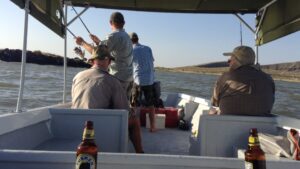
Safety should always remain a priority.
Essential precautions include:
- Wear a life jacket.
- Carry drinking water.
- Protect yourself from the sun.
- Keep hooks secured.
- Follow local regulations.
- Listen to your guide’s instructions.
- Check weather forecasts before departure.
Proper preparation ensures that your fishing experience is both enjoyable and safe.
Advanced Nile Perch Fishing Methods: Expert Techniques for Trophy Fish
Advanced Nile Perch Fishing Methods for Serious Anglers
Once you understand the basics, it is time to refine your skills with advanced Nile perch fishing methods. Experienced anglers know that success depends on reading the water, adjusting techniques, and responding to fish behavior rather than relying on luck alone.
Furthermore, flexibility is essential because weather, water levels, and baitfish movement can change throughout the day. Therefore, anglers who adapt their approach often catch more and larger fish.
Reading the Water Like a Professional
One of the most overlooked Nile perch fishing methods involves understanding where fish naturally position themselves.
Look for areas such as:
- Underwater ledges
- Rocky points
- Deep channels
- River mouths
- Islands with drop-offs
- Weed lines
- Submerged timber
- Schools of baitfish
Moreover, birds feeding on the surface can indicate baitfish activity, which may attract Nile perch below.
Instead of fishing randomly, concentrate your efforts where predators are most likely to hunt.
Understanding Nile Perch Feeding Behavior
Nile perch are ambush predators. Rather than chasing prey over long distances, they often wait near structure before attacking suddenly.
Their feeding activity is influenced by:
- Water temperature
- Oxygen levels
- Light conditions
- Current strength
- Food availability
- Seasonal migrations
Consequently, successful Nile perch fishing methods require patience and observation.
For example, fish may remain inactive for hours before feeding aggressively during a short window of opportunity.
Best Artificial Lures for Nile Perch
Selecting the correct lure is critical for consistent success.
Deep Diving Crankbaits
These are excellent for trolling because they reach deeper feeding zones.
Advantages include:
- Strong vibration
- Wide wobbling action
- Ability to cover large areas
Soft Plastic Swimbaits
Soft plastics imitate injured baitfish and perform exceptionally well near underwater structures.
They work best when retrieved slowly with occasional pauses.
Spinnerbaits
Spinnerbaits create flash and vibration, making them useful in stained water where visibility is limited.
Additionally, they reduce snagging around vegetation.
Jerkbaits
These lures imitate wounded fish.
A retrieve pattern of jerk-pause-jerk often triggers reaction strikes from large Nile perch.
Surface Poppers
Although many anglers focus on deeper presentations, surface fishing can produce spectacular action during low-light periods.
Watching a giant Nile perch explode on a surface lure is an unforgettable experience.
Color Selection for Different Water Conditions
Another important aspect of Nile perch fishing methods is lure color.
Clear Water
Effective colors include:
- Silver
- White
- Natural baitfish patterns
- Transparent finishes
Murky Water
Better choices include:
- Bright orange
- Fire tiger
- Chartreuse
- Yellow
- Gold
These colors increase visibility and attract aggressive strikes.
Live Bait Techniques
Live bait remains one of the most dependable Nile perch fishing methods, especially for targeting trophy specimens.
Free-Lining
This technique allows bait to swim naturally without additional weight.
It works particularly well in shallow areas.
Bottom Rig
When fish stay deep, a weighted rig keeps bait near the bottom where predators patrol.
Suspended Float Rig
Using a float allows anglers to present bait at a predetermined depth while keeping it visible.
This method is highly effective around submerged trees and weed edges.
The Importance of Strong Hooks
Many trophy fish are lost because of weak hooks.
Choose:
- Heavy-duty circle hooks
- Strong treble hooks for artificial lures
- High-carbon steel hooks
- Corrosion-resistant models
Moreover, always inspect hooks after every catch for damage.
Choosing the Right Leader Material
Because Nile perch possess abrasive mouths and inhabit rocky environments, leaders are essential.
Popular options include:
- Fluorocarbon leaders
- Steel wire leaders
- Heavy monofilament leaders
The correct leader reduces the risk of line failure during extended fights.
Using Electronics to Find Fish
Modern technology has transformed Nile perch fishing methods.
Helpful equipment includes:
Fish Finders
These identify:
- Fish schools
- Bottom contours
- Vegetation
- Drop-offs
GPS Mapping
GPS allows anglers to:
- Save productive locations
- Return to hotspots
- Navigate safely
- Track successful trolling routes
Experienced guides from Peter’s Fishing Tours combine local knowledge with practical fishing techniques to maximize time on productive waters.
Weather and Its Impact on Fishing during Nile perch fishing method
Weather plays a significant role in fish activity.
Cloudy Conditions during Nile perch fishing method
Often increase feeding behavior because fish feel more secure.
Bright Sunshine during Nile perch fishing method
Fish may move deeper or seek cover.
Therefore, deeper presentations become more effective.
Wind
Moderate wind creates surface disturbance, making predators more comfortable attacking prey.
However, excessive wind can reduce boat control and safety.
Common Mistakes to Avoid using Nile perch fishing method
Even experienced anglers sometimes make avoidable mistakes.
Using Light Tackle on Nile perch fishing method
Large Nile perch can overpower equipment designed for smaller fish.
Always use strong rods, reels, and line.
Fishing Too Fast on Nile perch fishing method
Many anglers retrieve lures too quickly.
Instead, vary speed until fish respond.
Ignoring Structure on Nile perch fishing method
Open water can produce fish, but underwater structure frequently holds larger specimens.
Failing to Change Techniques using Nile perch fishing method
If one method is unsuccessful, switch to another.
Successful Nile perch fishing methods require adaptability.
Poor Hook Sets during Nile perch fishing method
Maintain steady pressure rather than jerking excessively.
This improves hook penetration and reduces lost fish.
Catch and Release Best Practices on Nile perch fishing method
Responsible fishing helps protect future populations.
Recommendations include:
- Use barbless hooks when practical.
- Minimize handling time.
- Wet your hands before touching fish.
- Support large fish properly.
- Release fish quickly when practicing catch and release.
Sustainable fishing ensures healthy fisheries for future generations.
Why Local Knowledge Matters on Nile perch fishing method
Every lake and river has unique characteristics.
Local guides understand:
- Seasonal fish movement
- Productive depths
- Weather patterns
- Safe navigation routes
- Effective lure selection
For visitors exploring East African fisheries, Peter’s Fishing Tours provides local insight that can significantly improve the overall fishing experience while helping anglers learn effective Nile perch fishing methods.
Frequently Asked Questions on Nile perch fishing method
What is the best Nile perch fishing method?
Trolling is widely considered one of the most effective methods for locating trophy fish, while casting and live bait fishing are also highly productive depending on conditions.
What bait works best for Nile perch fishing method?
Live baitfish, deep-diving crankbaits, swimbaits, jerkbaits, and spinnerbaits are all popular choices.
What is the best time to catch Nile perch?
Early morning and late afternoon are generally the most productive periods, although night fishing can also yield excellent results.
How strong should my fishing line be?
Most experienced anglers recommend braided line between 50 and 80 pounds for targeting large Nile perch.
Are Nile perch difficult to catch using Nile perch fishing method?
They are powerful and challenging fish, but using proper Nile perch fishing methods, quality equipment, and local knowledge greatly improves success rates.
Conclusion
Mastering Nile perch fishing methods requires preparation, patience, and the willingness to adapt to changing conditions. From trolling and casting to live bait fishing and vertical jigging, each technique has its place depending on water depth, weather, and fish behavior.
Equally important, selecting the right tackle, understanding seasonal patterns, and focusing on productive habitats can dramatically increase your chances of landing a trophy fish. By combining proven strategies with local expertise, anglers can enjoy a rewarding and memorable experience on Africa’s legendary waters.
Whether you are planning your first adventure or returning in search of an even bigger catch, applying these Nile perch fishing methods and fishing with experienced professionals such as Peter’s Fishing Tours can help turn an ordinary trip into an unforgettable angling experience.
Get in touch for more details;