


Uganda Gorilla Trekking Communities 2027: How Tourism Creates Positive Local Impact

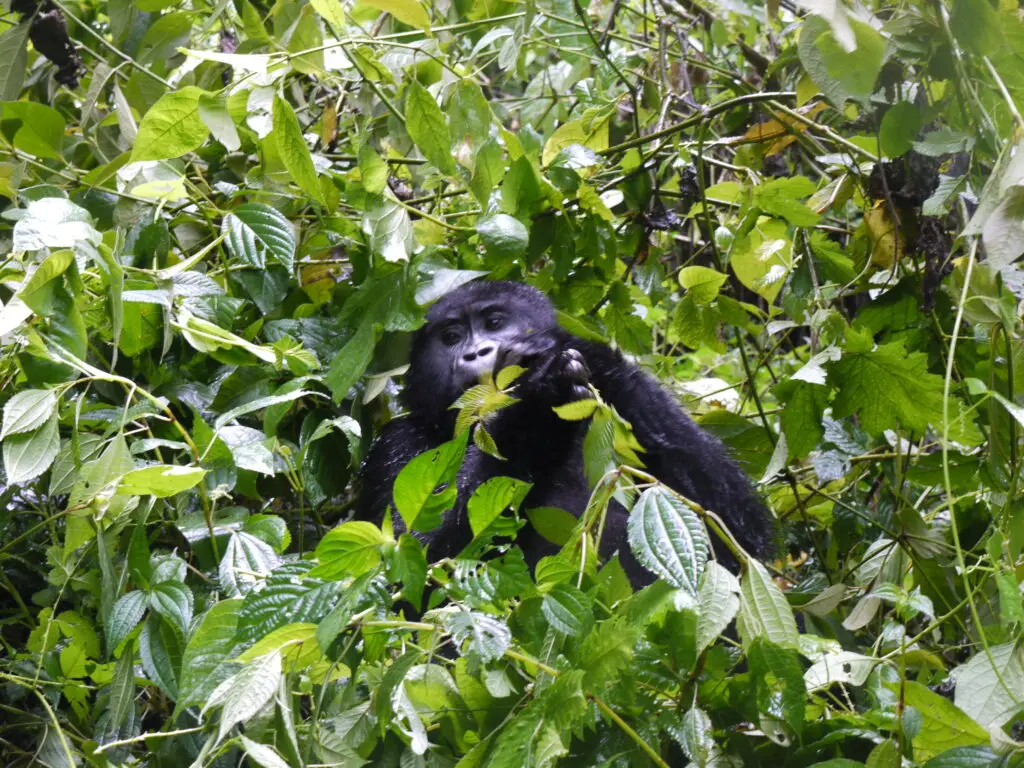
Uganda Gorilla Trekking Communities 2027 highlights the powerful connection between gorilla tourism, conservation, and the people living near Uganda’s protected forests. When travelers visit destinations such as Bwindi Impenetrable National Park and Mgahinga Gorilla National Park, they experience more than incredible wildlife encounters. They also contribute to local development through employment, cultural exchanges, community projects, and sustainable tourism initiatives. Furthermore, Peter’s Fishing Tours helps travelers discover Uganda responsibly while supporting meaningful connections between visitors and local communities.
Understanding the Relationship Between Gorilla Tourism and Local Communities
Gorilla trekking creates opportunities that extend beyond wildlife experiences. Although mountain gorillas remain the main attraction, the benefits of tourism reach thousands of people living around protected areas.
Many communities near Uganda’s gorilla habitats depend on tourism-related activities for income and development. Therefore, responsible travel plays an important role in improving livelihoods while protecting natural resources.
Tourism supports communities through:
- Employment opportunities
- Local business growth
- Cultural experiences
- Conservation partnerships
- Infrastructure improvements
- Education support
Additionally, when visitors choose responsible safari operators and local services, they help create long-term economic benefits.
How Uganda Gorilla Trekking Communities 2027 Benefit From Tourism Growth
Gorilla trekking provides direct and indirect benefits to people living near forest areas. As more travelers visit Uganda, local communities gain opportunities to participate in the tourism industry.
For example, residents can work as:
- Tour guides
- Porters
- Lodge employees
- Drivers
- Cultural performers
- Craft sellers
Furthermore, these jobs allow families to earn stable incomes while remaining connected to their communities.
Tourism also encourages young people to develop skills in hospitality, conservation, and communication. As a result, gorilla tourism creates opportunities for future generations.
Employment Opportunities Created Through Gorilla Trekking
One of the greatest impacts of gorilla tourism involves job creation. Before the growth of gorilla trekking, many communities near forest areas had limited employment opportunities.
However, tourism has introduced new ways for residents to earn income.
Uganda Gorilla Trekking Communities 2027 Employment Benefits
Local employment supports families by providing reliable sources of income.
Common tourism-related jobs include:
Gorilla Trekking Guides
Local guides play an important role in helping visitors understand Uganda’s forests, wildlife, and culture.
They provide information about:
- Gorilla behavior
- Forest ecosystems
- Conservation efforts
- Local traditions
Moreover, experienced guides improve the overall visitor experience by sharing personal knowledge about the region.
Local Porters Supporting Gorilla Treks
Porters provide valuable assistance during challenging forest hikes.
They help travelers by:
- Carrying backpacks
- Supporting visitors on difficult trails
- Providing encouragement during the trek
Additionally, hiring local porters allows travelers to directly support community members.
Therefore, choosing a porter creates a positive impact beyond the trekking experience.
Hospitality and Accommodation Jobs
Hotels and lodges near gorilla destinations employ many local residents.
Community members work in areas such as:
- Food preparation
- Housekeeping
- Reception services
- Maintenance
- Guest support
Furthermore, these employment opportunities improve household incomes and strengthen local economies.
Supporting Local Businesses Through Gorilla Tourism
Gorilla trekking encourages travelers to spend money within local communities. These purchases help small businesses grow and create additional income opportunities.
Visitors often support local businesses by purchasing:
- Handmade crafts
- Traditional artwork
- Local food products
- Cultural experiences
- Community tours
Additionally, travelers who choose locally owned services help keep tourism revenue within Uganda.
Uganda Gorilla Trekking Communities 2027 Small Business Development
Small businesses near gorilla habitats benefit greatly from tourism activities.
Local entrepreneurs create businesses that serve visitors, including:
- Restaurants
- Craft shops
- Transport services
- Cultural centers
- Accommodation facilities
Furthermore, tourism encourages creativity because communities develop new products and experiences for international visitors.
As a result, gorilla trekking supports economic growth at both individual and community levels.
Cultural Tourism and Community Connections
Gorilla trekking provides opportunities for travelers to connect with Uganda’s rich cultural heritage. Many communities near Bwindi and Mgahinga share unique traditions, stories, and practices.
Cultural experiences allow visitors to learn about:
- Traditional music
- Dance performances
- Local cuisine
- Farming methods
- Historical stories
- Traditional skills
Moreover, these experiences create meaningful relationships between travelers and community members.
Instead of simply observing wildlife, visitors gain a deeper understanding of the people who protect these important ecosystems.
Uganda Gorilla Trekking Communities 2027 Cultural Experiences
Cultural tourism strengthens community pride because residents can share their traditions with visitors from around the world.
Popular cultural activities include:
Village Walks
Village visits allow travelers to explore daily life and interact with local families.
Visitors may learn about:
- Farming practices
- Traditional homes
- Community activities
- Local customs
Additionally, village walks create opportunities for direct cultural exchange.
Traditional Performances
Music and dance performances showcase Uganda’s diverse heritage.
Community groups perform traditional songs and dances that represent local history and identity.
Furthermore, these performances provide income opportunities while preserving important cultural traditions.
Local Craft Experiences
Craft making allows visitors to understand traditional skills passed through generations.
Travelers may discover:
- Basket weaving
- Handmade jewelry
- Wood carving
- Traditional artwork
By purchasing local crafts, visitors directly support community members.
Conservation Benefits for Communities Around Gorilla Habitats
Gorilla tourism creates a strong connection between conservation and community development. Protecting mountain gorillas requires cooperation between wildlife authorities, local residents, and travelers.
When communities benefit from tourism, they become important partners in conservation.
Therefore, tourism encourages people to protect forests and wildlife.
Conservation benefits include:
- Increased environmental awareness
- Protection of forest habitats
- Reduced pressure on natural resources
- Community involvement in wildlife protection
Furthermore, conservation programs create opportunities for education and sustainable development.
How Responsible Tourism Supports Long-Term Community Growth
Responsible tourism focuses on creating positive impacts while protecting nature and supporting local people.
Travelers contribute by:
- Respecting community traditions
- Supporting local businesses
- Following park guidelines
- Reducing environmental impact
Additionally, choosing ethical safari operators helps ensure tourism benefits reach local communities.
Peter’s Fishing Tours promotes responsible travel by helping visitors experience Uganda while respecting wildlife, culture, and community values.
Community Development Projects Supported by Gorilla Tourism
Gorilla tourism creates opportunities for communities to improve their living standards through development projects. Revenue generated from tourism contributes to initiatives that support education, healthcare, and infrastructure improvement.
Furthermore, partnerships between conservation organizations, government agencies, and local communities help create sustainable solutions that benefit both people and wildlife.
Uganda Gorilla Trekking Communities 2027 and Education Support Programs
Education represents one of the most important ways tourism creates long-term community benefits. When families earn income from tourism activities, they can invest more resources into their children’s education.
Additionally, tourism-related organizations often support schools near gorilla habitats through different initiatives.
These efforts may include:
- Classroom improvements
- Learning materials
- School equipment
- Scholarship opportunities
- Teacher support programs
Moreover, education helps young people develop skills that create future employment opportunities within tourism and conservation.
As a result, gorilla tourism contributes to stronger communities with better opportunities for future generations.
Healthcare Improvements Through Gorilla Tourism

Access to healthcare remains an important concern for many rural communities. However, tourism growth has encouraged greater investment in health-related projects around gorilla destinations.
Community benefits may include:
- Health awareness programs
- Medical support initiatives
- Improved health facilities
- Clean water projects
Furthermore, healthier communities can participate more effectively in conservation and tourism activities.
When local residents experience direct benefits from tourism, they develop stronger motivation to protect the forests and wildlife surrounding their homes.
Infrastructure Development Around Gorilla Trekking Areas
Tourism growth encourages improvements in infrastructure near Uganda’s gorilla destinations. Better roads, communication networks, and public facilities benefit both visitors and local residents.
Infrastructure improvements may support:
- Easier transportation
- Better access to markets
- Improved community connections
- Increased business opportunities
Additionally, improved infrastructure allows communities to participate more actively in the tourism economy.
Therefore, gorilla tourism creates benefits that extend beyond individual businesses and reach entire regions.
The Role of Women in Uganda Gorilla Trekking Communities 2027
Women play an important role in tourism development around gorilla habitats. Many women participate in businesses and community projects connected to visitors.
Tourism provides opportunities through:
- Craft production
- Hospitality jobs
- Cultural performances
- Food services
- Small businesses
Furthermore, income from tourism allows many women to support their families and invest in education and household needs.
Uganda Gorilla Trekking Communities 2027 Women Empowerment Through Tourism
Women-focused tourism programs encourage financial independence and leadership within local communities.
For example, women’s groups create handmade products that visitors purchase during cultural experiences.
These groups produce:
- Baskets
- Clothing items
- Jewelry
- Traditional artwork
Additionally, selling crafts allows women to preserve cultural skills while creating income.
As a result, gorilla tourism supports both economic empowerment and cultural preservation.
Youth Opportunities Created Through Gorilla Tourism
Young people near gorilla habitats benefit from tourism because the industry creates opportunities for skill development and employment.
Many young residents pursue careers in:
- Tour guiding
- Hospitality
- Conservation
- Transportation
- Entrepreneurship
Furthermore, tourism encourages young people to value their natural environment because they understand the importance of protecting wildlife.
Training programs help youth develop skills such as:
- Communication
- Customer service
- Environmental awareness
- Business management
Therefore, gorilla tourism creates pathways for young people to build successful careers while supporting conservation.
Supporting the Batwa Community Through Cultural Tourism
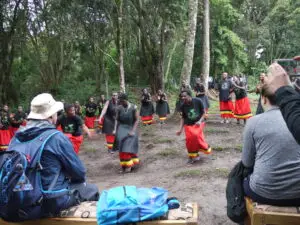
The Batwa people have a deep historical connection with Uganda’s forests. Their traditional knowledge, stories, and relationship with nature create valuable cultural experiences for visitors.
Cultural tourism provides opportunities for Batwa communities to share their heritage while generating income.
Visitors may experience:
- Traditional storytelling
- Forest knowledge demonstrations
- Music and dance
- Historical experiences
- Cultural education
Furthermore, these activities help preserve important traditions while creating economic benefits.
Uganda Gorilla Trekking Communities 2027 and Batwa Heritage Preservation
Batwa cultural experiences help protect traditional knowledge that has passed through generations.
Through tourism, community members can share:
- Traditional survival skills
- Forest practices
- Medicinal plant knowledge
- Cultural history
Additionally, visitors gain a deeper understanding of the relationship between people and forests.
This connection creates greater appreciation for both cultural heritage and environmental conservation.
How Tourism Encourages Forest Conservation
Mountain gorillas depend on healthy forest ecosystems. Therefore, protecting forests remains essential for both wildlife survival and community well-being.
Tourism encourages conservation because local people recognize the value of protecting natural areas.
When communities benefit from tourism, they become active partners in:
- Forest protection
- Wildlife monitoring
- Environmental education
- Sustainable resource use
Furthermore, conservation creates opportunities that provide alternatives to activities that may damage natural habitats.
As a result, tourism helps create a balance between economic development and environmental protection.
Revenue Sharing and Community Conservation Programs
Gorilla tourism revenue supports conservation and community programs around protected areas.
These programs help communities receive benefits from tourism activities while supporting wildlife protection.
Revenue contributions may support:
- Community projects
- Conservation activities
- Local development programs
- Environmental initiatives
Additionally, these programs encourage cooperation between park authorities and surrounding communities.
Uganda Gorilla Trekking Communities 2027 Conservation Partnerships

Strong partnerships create successful conservation outcomes. Wildlife authorities, communities, tourism operators, and visitors all contribute to protecting Uganda’s mountain gorillas.
Local communities support conservation through:
- Reporting illegal activities
- Protecting forest areas
- Supporting responsible tourism
- Educating future generations
Furthermore, tourism operators such as Peter’s Fishing Tours help connect travelers with responsible experiences that support conservation goals.
The Importance of Choosing Responsible Safari Operators
The safari company travelers choose can influence how tourism benefits local communities. Responsible operators prioritize ethical practices and support local participation.
A responsible safari company focuses on:
- Hiring local guides
- Supporting community businesses
- Promoting conservation awareness
- Providing fair tourism experiences
Therefore, selecting the right operator helps maximize the positive impact of gorilla tourism.
Peter’s Fishing Tours creates personalized Uganda safari experiences while helping travelers understand the connection between wildlife conservation and community development.
How Travelers Can Support Uganda Gorilla Trekking Communities 2027
Visitors play an important role in creating positive tourism impacts. Simple choices during a safari can provide meaningful support to local communities.
Travelers can contribute by:
- Buying local products
- Hiring local guides
- Visiting community projects
- Respecting cultural traditions
- Supporting responsible businesses
Furthermore, engaging respectfully with communities creates authentic travel experiences.
When visitors make responsible choices, they help ensure that tourism continues creating benefits for people and wildlife.
Uganda Gorilla Trekking Communities 2027 and Sustainable Tourism Development
Uganda Gorilla Trekking Communities 2027 demonstrates how responsible tourism creates a balance between wildlife protection and local economic growth. Sustainable tourism focuses on protecting natural resources while ensuring communities near gorilla habitats receive meaningful benefits.
Furthermore, sustainable tourism encourages travelers, conservation organizations, and local residents to work together. Through cooperation, Uganda continues protecting mountain gorillas while improving opportunities for people living around protected forests.
Uganda Gorilla Trekking Communities 2027 Supporting Environmental Protection
Protecting the environment remains a major part of successful gorilla tourism. Mountain gorillas depend on healthy forests, clean water sources, and safe habitats.
Therefore, conservation programs focus on maintaining ecosystems that support both wildlife and communities.
Environmental protection activities include:
- Forest conservation
- Wildlife monitoring
- Habitat protection
- Environmental education
- Sustainable resource management
Additionally, communities participate in conservation because they understand that healthy forests support tourism and local livelihoods.
Uganda Gorilla Trekking Communities 2027 Encouraging Community Conservation Efforts
Local residents play an important role in protecting Uganda’s gorilla habitats. When communities receive tourism benefits, they become stronger partners in conservation.
Community conservation efforts include:
- Protecting forest boundaries
- Reporting illegal activities
- Supporting wildlife programs
- Promoting environmental awareness
Furthermore, community involvement creates long-term solutions because local people understand their environment better than anyone else.
Uganda Gorilla Trekking Communities 2027 and Responsible Visitor Experiences
Travelers influence the success of sustainable tourism through their actions. Responsible visitors respect local cultures, protect nature, and support community businesses.
A responsible gorilla trekking experience includes:
- Following park guidelines
- Respecting wildlife
- Supporting local services
- Reducing waste
- Appreciating local traditions
Moreover, responsible travel creates stronger relationships between visitors and communities.
Uganda Gorilla Trekking Communities 2027 Creating Meaningful Cultural Connections
Cultural experiences allow travelers to understand Uganda beyond gorilla encounters. Communities near Bwindi and Mgahinga share traditions that provide valuable learning opportunities.
Visitors can participate in:
- Village tours
- Traditional performances
- Local cooking experiences
- Craft demonstrations
- Community storytelling
Additionally, these activities allow travelers to connect directly with local people.
Uganda Gorilla Trekking Communities 2027 Preserving Traditional Knowledge
Cultural tourism helps protect important traditions by creating opportunities for communities to share their heritage.
Traditional knowledge includes:
- Forest practices
- Local history
- Traditional skills
- Cultural stories
- Community values
Furthermore, tourism encourages younger generations to appreciate and preserve their cultural identity.
Uganda Gorilla Trekking Communities 2027 Economic Growth Through Tourism
Tourism contributes significantly to local economic development. When visitors travel to gorilla destinations, they support businesses and create income opportunities.
Economic benefits reach communities through:
- Employment
- Local purchases
- Accommodation services
- Transportation
- Cultural activities
Therefore, gorilla tourism creates a wider economic impact beyond the trekking experience itself.
Uganda Gorilla Trekking Communities 2027 Supporting Local Entrepreneurs
Small businesses benefit from increased visitor activity around gorilla destinations.
Local entrepreneurs provide:
- Handmade crafts
- Food services
- Transportation
- Accommodation
- Cultural experiences
Additionally, tourism encourages people to develop new business ideas that serve travelers.
Uganda Gorilla Trekking Communities 2027 Helping Small Businesses Grow
Small businesses strengthen communities by creating additional income sources.
For example, local craft makers can sell products directly to visitors. Likewise, community guides can share their knowledge while earning income.
Furthermore, tourism creates opportunities for families to improve their quality of life.
Uganda Gorilla Trekking Communities 2027 Role in Conservation Education
Education creates awareness about the importance of protecting mountain gorillas and their habitats. Communities that understand conservation become more involved in protecting natural resources.
Conservation education focuses on:
- Wildlife protection
- Forest preservation
- Sustainable practices
- Environmental responsibility
Moreover, educating young people creates future conservation leaders.
Uganda Gorilla Trekking Communities 2027 Teaching Future Generations
Young community members represent the future of conservation and tourism. Therefore, education programs encourage children and youth to value wildlife protection.
Young people can learn about:
- Gorilla conservation
- Environmental care
- Tourism opportunities
- Community responsibility
Additionally, these lessons inspire future careers in conservation and hospitality.
Uganda Gorilla Trekking Communities 2027 Building Future Tourism Leaders
Training opportunities help young people develop skills needed in the tourism industry.
Skills include:
- Guiding
- Communication
- Hospitality management
- Business development
Furthermore, skilled local professionals improve the quality of tourism experiences for visitors.
Uganda Gorilla Trekking Communities 2027 Challenges and Future Solutions
Although gorilla tourism creates many benefits, communities still face challenges that require continuous attention.
Common challenges include:
- Limited resources
- Conservation pressures
- Infrastructure needs
- Balancing tourism growth with environmental protection
However, cooperation between communities, conservation organizations, and tourism operators creates opportunities for improvement.
Uganda Gorilla Trekking Communities 2027 Overcoming Tourism Challenges
Addressing challenges requires responsible planning and collaboration.
Possible solutions include:
- Expanding community projects
- Improving education programs
- Supporting local businesses
- Strengthening conservation partnerships
Furthermore, sustainable tourism strategies help communities receive long-term benefits while protecting natural resources.
Uganda Gorilla Trekking Communities 2027 Building a Sustainable Future
The future of gorilla tourism depends on maintaining a strong relationship between people, wildlife, and the environment.
A sustainable future requires:
- Responsible visitors
- Supportive communities
- Ethical safari operators
- Effective conservation programs
Additionally, companies such as Peter’s Fishing Tours help travelers experience Uganda responsibly while supporting community-focused tourism.
Frequently Asked Questions About Uganda Gorilla Community Benefits
Understanding how gorilla tourism supports local people helps travelers appreciate the wider impact of their safari. Many visitors want to know how their journey contributes to conservation, community development, and sustainable tourism.
How Does Gorilla Trekking Support Local Communities in Uganda?
Gorilla trekking supports local communities by creating employment opportunities, encouraging small businesses, and funding development projects. When visitors travel to gorilla destinations, they contribute to an industry that supports thousands of people.
Local residents benefit through:
- Guiding services
- Lodge employment
- Transportation work
- Cultural tourism activities
- Craft businesses
Furthermore, tourism income helps families improve their living standards and invest in education, healthcare, and other important needs.
Do Local People Benefit Directly From Gorilla Tourism?
Yes, many community members benefit directly from tourism activities. People living near gorilla habitats often participate in different parts of the tourism industry.
For example, residents work as:
- Gorilla trekking guides
- Porters
- Drivers
- Hospitality staff
- Community representatives
Additionally, local entrepreneurs create businesses that provide products and services for travelers.
Therefore, gorilla tourism creates opportunities that reach beyond national parks and benefit surrounding communities.
How Does Tourism Help Protect Mountain Gorillas?
Tourism supports conservation by creating financial resources for protecting gorilla habitats. Visitors contribute through permit fees, tourism services, and responsible travel choices.
Conservation efforts focus on:
- Protecting forests
- Monitoring gorilla families
- Supporting wildlife programs
- Educating communities
Moreover, when communities recognize the value of conservation, they become important partners in protecting natural resources.
How Can Travelers Support Local Communities During a Gorilla Safari?
Travelers can support communities by making responsible choices throughout their journey.
Visitors can help by:
- Buying locally made products
- Choosing local guides
- Visiting community projects
- Respecting cultural traditions
- Supporting responsible tour operators
Furthermore, meaningful interactions with local people create authentic travel experiences while providing direct economic benefits.
Why Are Cultural Experiences Important During a Gorilla Safari?
Cultural experiences allow visitors to understand Uganda beyond wildlife. Communities near gorilla habitats have unique traditions, stories, and skills that provide valuable insights.
Travelers may enjoy:
- Traditional music
- Dance performances
- Village visits
- Local food experiences
- Craft demonstrations
Additionally, cultural tourism helps preserve traditions by creating opportunities for communities to share their heritage.
Planning a Responsible Gorilla Safari Experience
A responsible safari requires thoughtful decisions before and during travel. Visitors can create a positive impact by choosing ethical services and respecting the destinations they explore.
Important considerations include:
- Selecting experienced safari operators
- Supporting local businesses
- Following conservation guidelines
- Respecting community customs
Furthermore, responsible travel creates a better experience for both visitors and local residents.
Choosing the Right Safari Operator
A reliable safari company plays an important role in creating meaningful travel experiences. Experienced operators understand local conditions and help travelers connect with communities respectfully.
A professional operator should provide:
- Clear communication
- Knowledgeable guides
- Reliable transportation
- Well-organized itineraries
- Responsible tourism practices
Additionally, working with a trusted company allows travelers to enjoy their journey with confidence.
Experiencing Uganda With Peter’s Fishing Tours
Peter’s Fishing Tours helps travelers explore Uganda through carefully planned safari adventures that combine wildlife, culture, and community experiences.
The company assists visitors with:
- Gorilla trekking arrangements
- Safari planning
- Transportation
- Accommodation selection
- Cultural activities
- Customized travel plans
Furthermore, Peter’s Fishing Tours focuses on creating comfortable and memorable journeys while helping visitors discover Uganda’s natural and cultural treasures.
With local knowledge and personalized service, the team helps travelers experience Uganda in an authentic and responsible way.
The Future of Community-Based Gorilla Tourism
Community-based tourism continues to grow as more travelers seek meaningful and responsible experiences. The future of gorilla tourism depends on cooperation between visitors, communities, conservation organizations, and tourism professionals.
Future priorities include:
- Strengthening conservation programs
- Expanding community opportunities
- Supporting sustainable businesses
- Improving tourism education
Additionally, continued collaboration will help protect wildlife while improving the lives of people living near protected areas.
Final Thoughts on Gorilla Tourism and Community Development
Gorilla tourism creates a powerful connection between wildlife conservation and community development. Every visitor contributes to a larger system that supports local employment, cultural preservation, and environmental protection.
By choosing responsible travel options, visitors help create lasting benefits for Uganda’s people and natural resources.
Furthermore, exploring Uganda through a trusted local operator such as Peter’s Fishing Tours allows travelers to enjoy an organized adventure while supporting sustainable tourism practices.
A gorilla safari represents more than a wildlife experience. It creates opportunities for communities, protects endangered species, and builds connections between people from different parts of the world.
Start planning your Uganda safari today and discover how responsible travel can create meaningful memories while supporting conservation and local communities.