


Fishing in Uganda Sign Language: A Complete Guide to Learning Fishing Signs, Vocabulary, and Communication

Fishing in Uganda Sign Language opens the door to meaningful communication between Deaf individuals, hearing family members, fishing guides, educators, and community members. Uganda has a rich fishing culture because of its lakes, rivers, and wetlands. At the same time, Uganda Sign Language helps thousands of Deaf people communicate confidently in daily life. When these two important subjects come together, learners gain practical skills that improve communication on the water and beyond. Moreover, learning fishing vocabulary in Uganda Sign Language builds confidence, supports inclusion, and creates better experiences for everyone involved. Peter’s Fishing Tours also encourages accessible outdoor experiences by welcoming visitors who value clear communication and enjoyable fishing adventures.
Understanding Fishing in Uganda Sign Language
Fishing in Uganda Sign Language combines everyday sign language with words and expressions that people use during fishing activities. Instead of relying only on spoken communication, Deaf anglers and their companions use visual signs to discuss equipment, fish species, safety, weather, and fishing techniques.
Furthermore, this vocabulary helps families communicate while enjoying fishing trips together. Schools, community organizations, and tourism businesses also benefit because they can serve Deaf visitors more effectively.
Learning these signs does not simply involve memorizing movements. Instead, learners understand the meaning behind each sign and practice using it naturally in conversations. As a result, communication becomes smoother during fishing trips.
Peter’s Fishing Tours recognizes the value of accessible communication. Therefore, visitors who understand basic fishing vocabulary in Uganda Sign Language often enjoy stronger connections with guides and fellow travelers.
Why Learning Fishing Vocabulary Matters
Every language contains specialized vocabulary for different activities. Fishing requires words that describe equipment, water conditions, fish behavior, and safety procedures. Consequently, Uganda Sign Language also includes ways to express these important ideas.
When people learn Fishing in Uganda Sign Language, they improve communication in many situations.
Some important benefits include:
Better communication during fishing trips.
Increased confidence for Deaf participants.
Stronger relationships among family members.
More inclusive tourism experiences.
Greater independence during outdoor activities.
Easier learning for children interested in fishing.
Improved understanding between guides and visitors.
Additionally, learning fishing vocabulary creates opportunities for education. Teachers can introduce environmental topics while students practice new signs.
Uganda’s Rich Fishing Heritage
Uganda ranks among Africa’s leading fishing nations because the country contains numerous freshwater lakes and rivers. Fishing supports thousands of families through employment, food production, and tourism.
Lake Victoria remains one of the country’s most important fishing areas. However, many communities also fish in Lake Kyoga, Lake Albert, Lake Edward, and several smaller lakes.
Because fishing plays such an important role in Uganda, learning Fishing in Uganda Sign Language allows Deaf individuals to participate fully in conversations about local traditions.
Moreover, fishing strengthens community connections. Families often spend weekends near the water, where they teach children valuable skills that pass from one generation to another.
The Importance of Visual Communication
Fishing naturally depends on observation. Anglers watch the water carefully, monitor fish movements, and notice changing weather conditions. Similarly, Fishing in Uganda Sign Language relies on visual communication to deliver clear and effective messages.
Because both fishing and sign language emphasize observation, learners communicate more confidently during fishing trips. For example, people can share information across short distances without shouting. Likewise, signs reduce misunderstandings when wind, waves, or engine noise affects spoken conversations. Moreover, visual communication improves teamwork by helping everyone stay focused on the same task. As a result, anglers respond more quickly to changing conditions on the water. Ultimately, clear visual communication increases safety because everyone understands important instructions immediately.
Basic Fishing Vocabulary

Beginners should learn common fishing terms before exploring advanced vocabulary. First, mastering everyday words creates a strong foundation for effective communication. Afterward, learners can expand their knowledge with more specialized fishing expressions.
Essential fishing vocabulary includes:
Fish
Water
Lake
River
Boat
Net
Hook
Line
Rod
Bait
Paddle
Life jacket
Catch
Release
Big fish
Small fish
Each word supports everyday conversations during fishing trips. Furthermore, regular practice helps learners remember the vocabulary more easily. Once students become comfortable with these signs, they can combine them into longer and more natural sentences.
Building Simple Conversations
Learning individual words represents only the first step. Next, learners should combine vocabulary to create complete conversations. This approach improves fluency while building confidence in real-life situations.
Examples include:
Where are we fishing?
The water looks calm today.
I caught a large fish.
Please hand me the fishing rod.
We need fresh bait.
The boat is ready.
The fish escaped.
Let’s try another location.
These practical conversations prepare learners for authentic fishing experiences. In addition, repeated practice strengthens memory and improves communication skills.
Fishing Equipment Vocabulary
Every successful fishing trip depends on proper equipment. Therefore, Fishing in Uganda Sign Language includes signs for the tools anglers use most often. By learning this vocabulary, students communicate more effectively before and during fishing trips.
Fishing Rod
The fishing rod remains one of the most recognizable fishing tools. Consequently, beginners usually learn this sign early because they use the rod throughout the fishing experience.
Fishing Reel
The reel controls the fishing line during casting and retrieval. Additionally, anglers frequently discuss this equipment while preparing for a successful day on the water.
Fishing Line
The fishing line connects the angler to the fish. For this reason, everyone should understand signs related to tangled, broken, or damaged lines.
Hook
Hooks come in different sizes to match different fish species. Therefore, choosing the correct hook improves fishing efficiency.
Bait
Fresh bait often attracts more fish. In addition, anglers regularly discuss bait selection before moving to different fishing locations.
Landing Net
Landing nets help anglers lift fish safely from the water. Moreover, using a landing net reduces unnecessary stress on the fish during catch-and-release fishing.
Tackle Box
The tackle box stores hooks, sinkers, lures, and other essential equipment. As a result, organized anglers locate their gear quickly without interrupting the fishing trip.
Peter’s Fishing Tours encourages thorough preparation before every excursion. Consequently, visitors understand how each piece of equipment contributes to a safe, productive, and enjoyable fishing experience.
Safety Vocabulary
Safety always comes first during any fishing adventure. Therefore, Fishing in Uganda Sign Language includes important signs that help anglers communicate clearly whenever conditions change.
Essential safety vocabulary includes:
Life jacket
Emergency
Help
Stop
Careful
Strong wind
Rain
Deep water
Dangerous
Safe
These words help everyone communicate quickly during unexpected situations. Furthermore, clear safety communication reduces confusion on the water. Meanwhile, experienced guides encourage every participant to learn these signs before leaving the shore. Ultimately, strong safety awareness allows everyone to enjoy fishing with greater confidence.
Fish Species Vocabulary
Uganda contains many fish species that attract both recreational and commercial anglers. As a result, learning the names of these fish helps students communicate more confidently during fishing trips. Moreover, Fishing in Uganda Sign Language includes vocabulary for many of the country’s most popular fish species.
Nile Perch
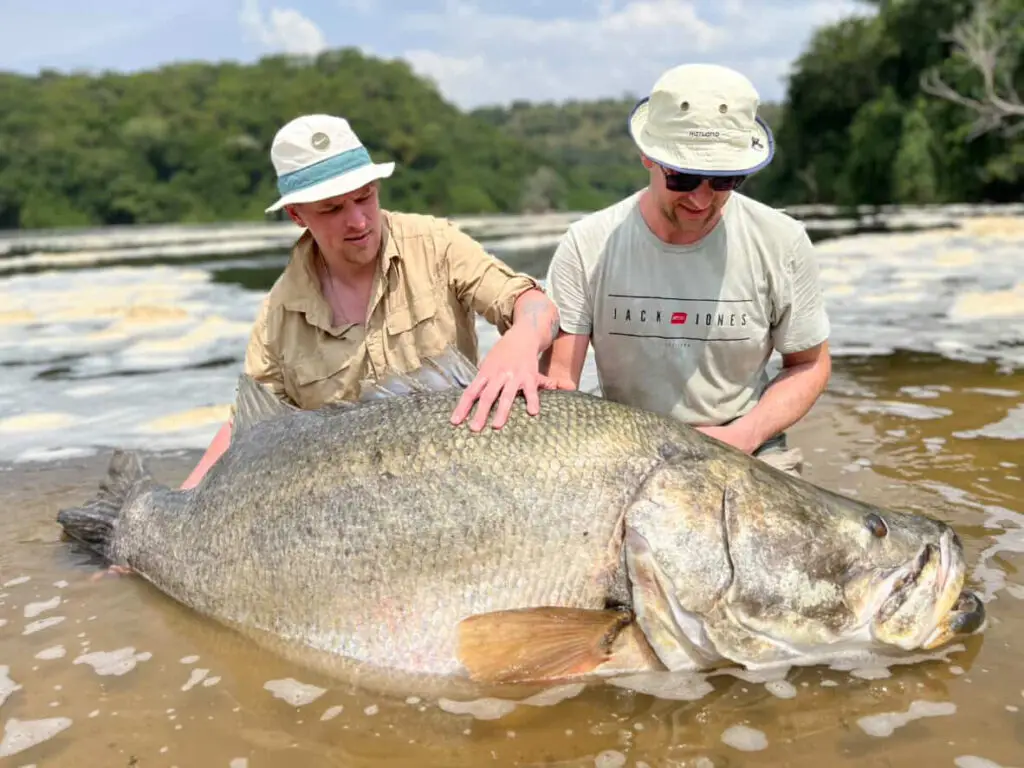
Nile Perch attracts anglers from around the world because of its impressive size. In addition, this species provides exciting fishing opportunities on Uganda’s major lakes.
Tilapia
Tilapia serves as one of Uganda’s most important food fish. Furthermore, many families enjoy tilapia because of its excellent taste and wide availability.
Catfish
Catfish thrive in many Ugandan lakes and rivers. Likewise, anglers appreciate this species because it offers a rewarding fishing experience throughout the year.
Silver Fish
Communities harvest silver fish for both local consumption and commercial trade. Besides that, this small species contributes significantly to Uganda’s fishing industry.
Learning the names of these fish strengthens fishing conversations. Consequently, learners communicate more naturally while discussing local fishing activities.
Weather Vocabulary
Weather influences every fishing trip from beginning to end. Therefore, Fishing in Uganda Sign Language includes signs that describe changing weather conditions and water environments.
Useful weather vocabulary includes:
Sun
Cloud
Rain
Storm
Wind
Calm water
Hot
Cold
Morning
Evening
Understanding weather vocabulary helps everyone make informed decisions before heading onto the water. Additionally, recognizing weather signs improves safety throughout the fishing experience.
Peter’s Fishing Tours places safety at the center of every excursion. Accordingly, guides monitor changing weather conditions carefully and communicate important updates throughout the trip.
Common Fishing Actions
Fishing involves many repeated actions that anglers perform throughout the day. For this reason, Fishing in Uganda Sign Language includes practical signs for these essential movements.
Learners should practice signs for:
Cast
Pull
Throw
Wait
Watch
Catch
Release
Hold
Clean
Cook
These action words appear frequently during everyday fishing conversations. Moreover, combining action signs with fishing equipment vocabulary creates smoother and more natural communication. Over time, learners perform these conversations with greater confidence.
Learning Through Practice
Regular practice produces lasting results. Instead of studying vocabulary only once, learners should review their signs every week. Likewise, frequent revision strengthens long-term memory while improving communication skills.
Students can also:
Practice with friends.
Join Uganda Sign Language groups.
Watch experienced signers.
Label fishing equipment.
Role-play fishing conversations.
Visit fishing locations.
Learn one new sign each day.
Consistent practice improves fluency and builds confidence. Eventually, learners begin using Fishing in Uganda Sign Language naturally during real fishing experiences.
Accessible Fishing Experiences
Inclusive tourism continues to grow across Uganda. Consequently, more businesses recognize the importance of accessible communication for every visitor.
Peter’s Fishing Tours supports enjoyable fishing experiences by creating welcoming environments where communication remains a priority. As a result, visitors who understand Fishing in Uganda Sign Language often feel more connected during guided trips because everyone shares information effectively. Furthermore, inclusive communication encourages teamwork between guides, families, and fellow anglers.
Accessible fishing experiences also allow families with Deaf members to participate together without unnecessary communication barriers. Ultimately, inclusive outdoor activities strengthen relationships while creating lasting memories.
Fishing Techniques in Uganda Sign Language
Fishing techniques vary depending on the location, target species, and available equipment. Therefore, Fishing in Uganda Sign Language includes vocabulary that helps anglers describe different fishing methods accurately. While beginners start with simple signs, experienced anglers continue expanding their fishing vocabulary through regular practice.
Fishing in Uganda Sign Language allows learners to discuss different techniques without confusion. Consequently, guides, family members, and fellow anglers exchange useful information more efficiently during every fishing trip.
Common fishing techniques include:
Shore fishing
Boat fishing
Net fishing
Hand line fishing
Catch and release
Deep water fishing
Shallow water fishing
Morning fishing
Evening fishing
Each technique requires different equipment and communication methods. Accordingly, learners should practice these terms during real conversations whenever possible.
Communicating Before a Fishing Trip
Preparation makes every fishing adventure more enjoyable. Before leaving for the water, everyone should discuss the day’s plans clearly and confirm that all equipment is ready.
Fishing in Uganda Sign Language includes useful expressions for planning a successful fishing trip.
Examples include:
What time are we leaving?
Which lake are we visiting?
Do you have enough bait?
Is the boat ready?
Where are the life jackets?
How long will we fish?
What fish are we targeting?
Do we need extra water?
These conversations reduce misunderstandings while improving organization. In addition, good planning helps everyone feel prepared before arriving at the fishing location.
Peter’s Fishing Tours encourages organized preparation because careful planning creates safer and more enjoyable fishing experiences for every guest.
Communication While on the Water
Clear communication becomes even more important after the boat leaves the shore. Although wind, distance, and engine noise often affect spoken conversations, sign language remains highly effective in these situations.
Fishing in Uganda Sign Language helps anglers communicate essential information immediately. For example, guides can provide instructions without raising their voices across the boat.
Useful messages include:
The fish is biting.
Cast your line here.
Move slowly.
Wait a moment.
Pull now.
The fish escaped.
Watch the water.
Turn the boat.
Slow down.
Great catch.
Visual communication keeps everyone focused on fishing instead of shouting across the boat. Meanwhile, clear signs improve teamwork and increase safety throughout the excursion.
Teaching Children Fishing Vocabulary
Children learn sign language naturally through repetition and enjoyable activities. Consequently, fishing provides an excellent opportunity to introduce useful vocabulary from an early age.
Parents and teachers can begin with simple words before introducing complete sentences.
For example, children can learn:
Fish
Water
Boat
Lake
Hook
Net
Big
Small
Happy
Catch
After learning individual words, children can practice short conversations.
Examples include:
I see a fish.
The boat is ready.
The fish is big.
We caught one.
I like fishing.
These simple exercises build confidence while making every lesson enjoyable. Furthermore, children remember vocabulary more effectively when they use it during fun activities.
Learning Through Observation
Observation remains one of the most effective learning methods. Rather than memorizing vocabulary from a list alone, learners should watch experienced signers communicate during real fishing activities.
Fishing in Uganda Sign Language becomes easier when students observe natural conversations. At the same time, they notice facial expressions, hand movements, and body language that strengthen communication.
Repeated observation reinforces memory because practical experiences create lasting impressions. As learners gain experience, they begin using signs more naturally in everyday fishing conversations.
Fishing Etiquette
Good manners improve every fishing trip. Therefore, Fishing in Uganda Sign Language also includes vocabulary related to respect, cooperation, and responsible behavior.
Important ideas include:
Share equipment.
Respect nature.
Help others.
Keep the area clean.
Listen carefully.
Follow instructions.
Respect local communities.
Protect wildlife.
These values encourage responsible fishing while promoting positive relationships among anglers. Above all, respectful behavior helps preserve Uganda’s fishing culture for future generations.
Peter’s Fishing Tours promotes responsible fishing practices because healthy lakes, rivers, and wetlands support sustainable fishing while protecting Uganda’s natural heritage.
Environmental Vocabulary
Environmental Vocabulary in Fishing in Uganda Sign Language
Fishing connects people directly with nature. Therefore, environmental vocabulary plays an important role in Fishing in Uganda Sign Language because it helps learners discuss conservation, ecosystems, and responsible interaction with natural resources.
Useful environmental words include:
Environment
Nature
Conservation
Pollution
Clean water
Wetland
Trees
Birds
Riverbank
Shore
Habitat
Wildlife
Learning these words encourages meaningful discussions about protecting Uganda’s natural resources. Additionally, environmental education helps young learners understand why sustainable fishing practices matter. As a result, they develop greater respect for lakes, rivers, and the wildlife that depends on these environments.
Sustainable Fishing Practices
Responsible fishing protects fish populations and preserves aquatic ecosystems. For this reason, every angler should understand sustainable fishing principles and practice methods that support long-term conservation.
Fishing in Uganda Sign Language includes vocabulary that supports environmental awareness and conservation efforts. Moreover, these signs help anglers discuss responsible choices while sharing knowledge with others.
Good sustainable fishing practices include:
Release small fish.
Avoid littering.
Respect fishing regulations.
Use appropriate equipment.
Protect breeding areas.
Dispose of waste properly.
Avoid damaging vegetation.
These habits benefit local communities while preserving fishing opportunities for future generations. Furthermore, responsible fishing helps maintain healthy water environments and supports Uganda’s fishing heritage.
Peter’s Fishing Tours encourages environmentally friendly practices throughout every guided excursion. Consequently, visitors learn how responsible actions protect natural resources while creating enjoyable fishing experiences.
Building Confidence with Daily Practice
Consistency produces better results than occasional study. Instead of learning many signs at once, students should practice a few signs every day and gradually expand their vocabulary.
Fishing in Uganda Sign Language becomes more natural through regular repetition. Therefore, learners should create simple routines that strengthen memory and improve communication skills.
Daily practice ideas include:
Review ten vocabulary words.
Practice with a family member.
Describe fishing equipment using signs.
Watch sign language lessons.
Create simple fishing conversations.
Practice facial expressions.
Record short practice videos.
Repeat previous lessons.
These activities strengthen vocabulary while improving fluency. In addition, regular practice helps learners communicate more confidently can create everyday conversations that include fishing vocabulary and reinforce previously learned signs during real fishing activities.
Using Fishing Vocabulary at Home
Learning continues even after returning from the lake. Therefore, families can create everyday conversations that include fishing vocabulary and reinforce previously learned signs.
For example:
Let’s clean the fishing rod.
We need new hooks.
The boat looks ready.
I enjoyed today’s fishing trip.
Tomorrow we will visit the lake.
The weather looks perfect.
Frequent practice helps learners remember signs longer. Moreover, using vocabulary in daily conversations makes communication feel more natural and practical.
Tourism and Inclusive Experiences
Uganda attracts visitors from around the world because of its beautiful lakes and exciting fishing opportunities. At the same time, accessible tourism continues to grow as more businesses recognize the importance of including Deaf travelers.
Fishing in Uganda Sign Language supports this positive development by making communication easier during fishing adventures. Consequently, visitors can participate more comfortably while sharing memorable experiences with guides and local communities.
Inclusive tourism offers several advantages:
Better customer experiences.
Improved communication.
Greater confidence for visitors.
Stronger community connections.
Increased accessibility.
Memorable outdoor adventures.
Peter’s Fishing Tours welcomes visitors who appreciate clear communication, professional guidance, and enjoyable fishing experiences. As a result, many travelers value the opportunity to explore Uganda’s waters while learning more about local fishing traditions.
Expanding Your Uganda Sign Language Vocabulary
Fishing vocabulary represents only one part of Uganda Sign Language. Nevertheless, it provides an excellent starting point because learners use these words during enjoyable outdoor activities.
After mastering fishing signs, students often continue learning vocabulary related to:
Travel
Wildlife
Camping
Family
Food
Transportation
Weather
Safety
Nature
Tourism
Expanding vocabulary increases confidence in many everyday situations. Furthermore, broader vocabulary allows learners to participate in more conversations beyond fishing activities.
Practicing with Friends
Learning with others makes progress faster. Additionally, friends provide opportunities to practice conversations, correct mistakes, and introduce new expressions.
Fishing in Uganda Sign Language becomes more enjoyable when learners work together. Through group practice, students develop confidence while improving their ability to communicate naturally.
Practice activities include:
Role-playing fishing trips.
Naming fishing equipment.
Asking and answering questions.
Describing fish species.
Giving safety instructions.
Discussing weather conditions.
Planning imaginary fishing adventures.
Group practice also encourages confidence because learners receive immediate feedback. Therefore, practicing with others remains one of the most effective ways to improve signing skills.
Common Mistakes Beginners Should Avoid
Many beginners make similar mistakes while learning new signs. Fortunately, these challenges become easier to overcome with regular practice and patience.
Common errors include:
Learning vocabulary without context.
Ignoring facial expressions.
Practicing too quickly.
Forgetting previously learned signs.
Using inconsistent hand movements.
Skipping daily review sessions.
Avoiding conversations.
Instead, learners should focus on steady improvement and consistent practice. Over time, communication skills develop naturally, and students become more comfortable using Fishing in Uganda Sign Language during real conversations.
Benefits for the Deaf Community
Fishing in Uganda Sign Language creates opportunities that extend beyond recreation. Effective communication supports education, employment, tourism, and social inclusion.
Some important benefits include:
Greater independence.
Better outdoor experiences.
Stronger family relationships.
Improved community participation.
Enhanced learning opportunities.
Increased confidence.
More accessible tourism.
These advantages demonstrate why learning specialized vocabulary continues to benefit both Deaf and hearing communities.
Fishing Safety Communication in Uganda Sign Language
Safety should always remain the highest priority during every fishing trip. Strong communication helps anglers respond quickly to changing conditions on the water. Consequently, learning safety vocabulary strengthens confidence and reduces unnecessary risks.
Fishing in Uganda Sign Language includes many signs that support safe and responsible fishing. These signs allow Deaf anglers, guides, and family members to share important information without delay.
Useful safety vocabulary includes:
Life jacket
Safe
Danger
Emergency
Strong wind
Rain
Storm
Deep water
Shallow water
Stop
Wait
Help
First aid
Rescue
Return to shore
Every learner should practice these signs regularly. Furthermore, everyone should understand them before beginning any fishing adventure.
Peter’s Fishing Tours encourages all guests to review safety procedures before every excursion. This approach creates a safer and more enjoyable experience for every participant.
Understanding Fishing Seasons
Fishing conditions change throughout the year. Therefore, anglers should learn vocabulary related to different seasons and weather patterns.
Fishing in Uganda Sign Language makes seasonal conversations much easier because learners can describe environmental changes clearly.
Common seasonal vocabulary includes:
Dry season
Rainy season
Morning
Afternoon
Evening
Sunrise
Sunset
High water
Low water
Cloudy
Sunny
Understanding seasonal changes helps anglers choose better fishing locations while preparing appropriate equipment.
Describing Fish Behavior
Successful anglers observe fish carefully. Consequently, conversations often focus on fish behavior before anyone catches a fish.
Useful expressions include:
The fish is swimming.
The fish is hiding.
The fish is feeding.
The fish is moving slowly.
The fish jumped.
The fish escaped.
The fish looks large.
The fish stayed near the rocks.
These simple descriptions improve teamwork because everyone understands what happens beneath the water’s surface.
Fishing Conversations for Beginners
Beginners should practice realistic conversations instead bait and artificial bait both attract fish. Choosing suitable bait often increases success of memorizing isolated vocabulary. Daily conversations improve fluency while building confidence.
Here are several examples.
Person A: Are you ready to fish?
Person B: Yes, I have my fishing rod.
Person A: Do you have bait?
Person B: Yes, I brought fresh bait.
Person A: Where should we fish today?
Person B: Let’s try the deeper water.
Person A: Did you catch anything?
Person B: Yes, I caught one large fish.
These conversations introduce practical vocabulary that learners can use during actual fishing trips.
Describing Fishing Equipment in Detail
Every piece of equipment serves a specific purpose. Therefore, learners should understand how to describe each item accurately.
Fishing Rod
The fishing rod helps anglers cast bait into the water. Different rods suit different fishing methods.
Fishing Reel
The reel controls the fishing line while helping anglers bring fish closer.
Fishing Line
A strong fishing line reduces the chance of losing fish during the fight.
Fishing Hook
Hooks come in different sizes because different fish require different equipment.
Fishing Net
The landing net allows anglers to lift fish safely from the water.
Bait
Natural bait and artificial bait both attract fish. Choosing suitable bait often increases success.
Boat
Boats allow anglers to reach productive fishing areas that remain inaccessible from the shore.
Peter’s Fishing Tours prepares quality equipment for guided excursions so visitors can focus on enjoying their fishing experience.
Learning Through Real Experiences
Classroom learning provides a strong foundation. However, practical experience improves communication much faster.
Fishing in Uganda Sign Language becomes easier when learners participate in real fishing activities.
Practical learning opportunities include:
Watching experienced anglers.
Joining family fishing trips.
Practicing with Deaf friends.
Learning from community events.
Participating in outdoor education programs.
Visiting different fishing locations.
Real experiences strengthen vocabulary because learners connect each sign with meaningful activities.
Using Facial Expressions Effectively
Uganda Sign Language relies on more than hand movements alone. Facial expressions add meaning and emotion to conversations.
For example, excitement, surprise, concern, and happiness all influence communication.
While discussing fishing, learners should match facial expressions with the message they want to communicate.
Appropriate expressions improve understanding and create more natural conversations.
Developing Confidence Through Repetition
Confidence develops through regular practice rather than occasional study.
Instead of trying to memorize hundreds of signs immediately, learners should review familiar vocabulary every day.
A simple weekly routine may include:
Monday: Fishing equipment vocabulary.
Tuesday: Fish species.
Wednesday: Safety vocabulary.
Thursday: Weather vocabulary.
Friday: Fishing conversations.
Saturday: Outdoor practice.
Sunday: Vocabulary review.
This schedule encourages steady improvement without values welcoming experiences that encourage meaningful communication among guests from different backgrounds. Clear communication creates’s cultural heritage. Families have shared fishing knowledge for generations, and many communities continue to depend on lakes and rivers for food and income Deaf children learn fishing vocabulary, they participate more actively in family traditions. overwhelming beginners.
Supporting Inclusive Tourism
Inclusive tourism benefits visitors, local businesses, and surrounding communities. Consequently, accessible communication continues to gain importance throughout Uganda.
Fishing in Uganda Sign Language supports inclusive tourism by helping Deaf travelers communicate comfortably during outdoor adventures.
Peter’s Fishing Tours values welcoming experiences that encourage meaningful communication among guests from different backgrounds. Clear communication creates stronger relationships while making every fishing trip more enjoyable.
Teaching Fishing Vocabulary in Schools
Schools can introduce fishing vocabulary as part of practical language learning activities.
Teachers may organize lessons that combine:
Nature education.
Environmental conservation.
Local culture.
Outdoor recreation.
Uganda Sign Language practice.
Students often remember vocabulary better when lessons involve enjoyable activities.
Moreover, fishing-related topics encourage teamwork because learners practice conversations together.
Preserving Uganda’s Fishing Culture
Fishing remains an important part of Uganda’s cultural heritage. Families have shared fishing knowledge for generations, and many communities continue to depend on lakes and rivers for food and income.
Fishing in Uganda Sign Language helps preserve this heritage by making fishing knowledge accessible to more people.
When Deaf children learn fishing vocabulary, they participate more actively in family traditions. Likewise, hearing relatives who learn Uganda Sign Language strengthen communication within the family.
Peter’s Fishing Tours celebrates Uganda’s fishing traditions by introducing visitors to local fishing experiences while encouraging respectful interaction with surrounding communities.
Building Long-Term Communication Skills
Language learning requires patience and consistency. Every new sign expands communication opportunities while increasing confidence.
Learners who continue practicing Fishing in Uganda Sign Language often discover additional interests in nature, conservation, travel, and community engagement.
Small daily improvements eventually produce fluent communication. Therefore, learners should celebrate steady progress instead of expecting immediate perfection.
Benefits of Learning Fishing in Uganda Sign Language
Learning fishing vocabulary offers advantages that extend far beyond the water.
These benefits include:
Stronger communication skills.
Better outdoor experiences.
Increased confidence.
Greater social inclusion.
Improved environmental awareness.
Enhanced family relationships.
Practical tourism vocabulary.
Better teamwork during fishing trips.
Easier communication with guides.
Lifelong learning opportunities.
Every lesson builds valuable communication skills that learners can apply in many real-life situations.
Preparing for Your Next Fishing Adventure
Preparation contributes to successful fishing experiences. Before every trip, anglers should review important vocabulary, inspect equipment, and discuss safety procedures.
Fishing in Uganda Sign Language makes these preparations more effective because everyone understands essential instructions through clear visual communication.
Peter’s Fishing Tours encourages visitors to arrive prepared, communicate confidently, and enjoy Uganda’s remarkable fishing destinations while respecting nature and local communities.
Fishing in Uganda Sign Language Frequently Asked Questions
Many beginners have questions before they start learning Fishing in Uganda Sign Language. Fortunately, consistent practice and the right learning approach make the process enjoyable. The following answers address common concerns while helping learners build confidence.
What Is Fishing in Uganda Sign Language?
Fishing in Uganda Sign Language refers to the signs, vocabulary, and expressions that people use when discussing fishing activities. This specialized vocabulary includes signs for fish species, fishing equipment, water conditions, weather, safety, and common fishing actions.
Additionally, learning these signs allows Deaf individuals and hearing people to communicate effectively during fishing trips. Better communication creates a more enjoyable and inclusive experience for everyone.
Why Should You Learn Fishing in Uganda Sign Language?
Learning Fishing in Uganda Sign Language offers many practical benefits. First, it improves communication during recreational and educational fishing activities. Next, it supports inclusion by helping Deaf participants engage fully in conversations.
Furthermore, learners gain confidence when discussing fishing equipment, fish species, and safety instructions. Peter’s Fishing Tours also recognizes the importance of accessible communication because every guest deserves a welcoming fishing experience.
Who Can Learn Fishing in Uganda Sign Language?
Anyone can learn Fishing in Uganda Sign Language regardless of previous experience. Children, adults, teachers, parents, tour guides, and fishing enthusiasts all benefit from expanding their vocabulary.
Moreover, beginners can start with simple signs before progressing to more advanced conversations. Regular practice helps learners improve steadily.
How Long Does It Take to Learn Fishing in Uganda Sign Language?
Every learner progresses at a different pace. However, daily practice helps students remember vocabulary much faster.
Instead of trying to master every sign immediately, learners should focus on a few new words each day. Consequently, vocabulary grows naturally while communication becomes more fluent.
Fishing in Uganda Sign Language for Families
Families often enjoy fishing together because the activity encourages teamwork and relaxation. Therefore, learning Fishing in Uganda Sign Language strengthens communication between Deaf and hearing family members.
Parents can introduce simple fishing vocabulary during weekend outings. Children usually remember signs more easily when they connect new words with enjoyable experiences.
For example, families can practice signs for:
Fish
Boat
Water
Lake
Fishing rod
Hook
Net
Catch
Release
Happy
These simple lessons encourage lifelong learning while creating memorable family activities.
Fishing in Uganda Sign Language Builds Stronger Family Connections
Learning Fishing in Uganda Sign Language allows every family member to participate in conversations during fishing trips.
Instead of depending on spoken language alone, everyone communicates visually. Consequently, Deaf children enjoy greater independence while hearing relatives develop welcomes visitors from around the world who enjoy freshwater fishing. Therefore, tourism benefits everyone involved. Deaf travelers gain confidence, guides improve communication, and businesses stronger sign language skills.
Peter’s Fishing Tours believes outdoor activities create meaningful memories, especially when communication includes every participant.
Fishing in Uganda Sign Language for Tourism
Uganda welcomes visitors from around the world who enjoy freshwater fishing. Therefore, tourism providers increasingly appreciate the importance of accessible communication.
Fishing in Uganda Sign Language supports inclusive tourism by helping visitors communicate comfortably throughout their fishing adventures.
Tourists often discuss:
Fishing locations
Weather
Equipment
Fish species
Boat safety
Photography
Wildlife
Conservation
Learning these signs improves the overall travel experience while encouraging positive interactions with guides and local communities.
Fishing in Uganda Sign Language Supports Accessible Adventures
Accessible tourism benefits everyone involved. Deaf travelers gain confidence, guides improve communication, and businesses provide better customer service.
Peter’s Fishing Tours values inclusive experiences that welcome anglers of different backgrounds. Clear communication allows every visitor to enjoy Uganda’s beautiful fishing destinations more fully.
Fishing in Uganda Sign Language and Environmental Conservation
Responsible fishing protects lakes, rivers, wetlands, and wildlife. Consequently, environmental education should accompany fishing education.
Fishing in Uganda Sign Language includes vocabulary that encourages conservation and sustainable fishing practices.
Important environmental terms include:
Nature
Environment
Conservation
Clean water
Pollution
Wetlands
Wildlife
Birds
Trees
Habitat
Learning these signs helps people discuss environmental protection while participating in outdoor activities.
Fishing in Uganda Sign Language Encourages Responsible Fishing
Responsible anglers protect fish populations for future generations.
Good habits include:
Respect fishing regulations.
Keep fishing areas clean.
Avoid unnecessary waste.
Protect natural habitats.
Release undersized fish.
Respect local communities.
These practices support healthy ecosystems while preserving Uganda’s rich fishing heritage.
Fishing in Uganda Sign Language Learning Tips
Learning Fishing in Uganda Sign Language becomes easier with a structured routine.
Consider these practical tips:
Practice every day.
Review previous lessons.
Learn vocabulary in categories.
Watch experienced signers.
Practice facial expressions.
Join community learning groups.
Use fishing equipment during practice.
Build complete conversations.
Repeat new signs regularly.
Stay patient throughout the learning process.
Consistency produces lasting improvement.
Fishing in Uganda Sign Language Practice Routine
A simple weekly routine keeps learners motivated.
Monday: Fishing equipment.
Tuesday: Fish species.
Wednesday: Safety vocabulary.
Thursday: Weather signs.
Friday: Fishing conversations.
Saturday: Outdoor practice.
Sunday: Review every lesson.
This schedule prevents information overload while improving long-term retention.
Fishing in Uganda Sign Language Conclusion
Fishing in Uganda Sign Language creates meaningful opportunities for communication, education, tourism, and inclusion. Every new sign helps learners participate more confidently in fishing activities while strengthening connections with family, friends, guides, and local communities.
Moreover, consistent practice transforms simple vocabulary into natural conversations. Beginners who study regularly continue expanding their communication skills while developing a deeper appreciation for Uganda’s fishing traditions.
Peter’s Fishing Tours supports memorable fishing experiences by encouraging accessible communication, responsible fishing practices, and respect for Uganda’s remarkable natural environment. Whether you are just beginning your sign language journey or expanding your existing vocabulary, learning Fishing in Uganda Sign Language represents an investment in stronger communication and more enjoyable outdoor adventures.
Start with basic fishing signs today, practice them consistently, and continue building your confidence one conversation at a time. Over time, your growing knowledge of Fishing in Uganda Sign Language will help you communicate more effectively while enjoying Uganda’s vibrant fishing culture with family, friends, and fellow anglers.
Fishing in Uganda Sign Language Resources
Finding the right learning resources helps students improve faster. Therefore, learners should combine practical experience with consistent vocabulary practice. Fishing in Uganda Sign Language becomes easier when students review signs regularly and apply them during real fishing activities.
Helpful learning resources include:
Uganda Sign Language classes.
Community workshops.
Deaf community events.
Practice groups.
Educational videos.
Flashcards with fishing vocabulary.
Fishing demonstrations.
Guided fishing experiences.
Each resource strengthens communication skills while expanding fishing knowledge.
Fishing in Uganda Sign Language Self-Study Methods
Self-study allows learners to improve at their own pace. In addition, daily practice helps reinforce vocabulary and sentence structure.
Effective self-study methods include:
Practice new signs every morning.
Review old vocabulary before learning new words.
Create fishing-related conversations.
Record yourself signing.
Practice with family members.
Label fishing equipment with vocabulary cards.
Repeat signs until movements feel natural.
Focus on accuracy before increasing speed.
Regular study sessions build confidence and improve fluency over time.
Fishing in Uganda Sign Language for Beginners
Every expert started as a beginner. Consequently, learners should focus on building a strong foundation before moving to advanced conversations.
Fishing in Uganda Sign Language begins with everyday vocabulary that learners can use immediately.
Start by learning signs for:
Fish
Lake
River
Boat
Water
Fishing rod
Hook
Net
Bait
Catch
Release
Safety
After mastering these words, practice simple sentences that combine multiple signs.
Fishing in Uganda Sign Language Beginner Mistakes
Many beginners face similar challenges. Fortunately, these mistakes become easier to correct with regular practice.
Common mistakes include:
Skipping daily practice.
Forgetting facial expressions.
Rushing through lessons.
Ignoring hand position.
Learning vocabulary without context.
Avoiding conversations.
Memorizing signs without understanding their meaning.
Instead, learners should progress gradually while practicing complete conversations.
Fishing in Uganda Sign Language for Schools
Schools play an important role in promoting inclusive education. Therefore, teachers can introduce Fishing in Uganda Sign Language through interactive classroom activities.
Students enjoy practical lessons because they connect language learning with everyday experiences.
Teachers can organize activities such as:
Vocabulary matching games.
Fishing equipment identification.
Group conversations.
Storytelling.
Outdoor learning sessions.
Environmental conservation discussions.
Sign language competitions.
These activities increase participation while improving vocabulary retention.
Fishing in Uganda Sign Language Classroom Activities
Teachers can encourage active learning through engaging exercises.
Examples include:
Acting out fishing trips.
Identifying fish species.
Practicing safety conversations.
Describing weather conditions.
Naming fishing equipment.
Creating role-play scenarios.
Working in small discussion groups.
Interactive lessons help students remember vocabulary more effectively.
Fishing in Uganda Sign Language for Community Groups
Community organizations often bring people together through educational and recreational activities. Consequently, Fishing in Uganda Sign Language offers an excellent opportunity to promote inclusion while strengthening local relationships.
Community groups can organize:
Fishing awareness events.
Uganda Sign Language workshops.
Family fishing days.
Environmental clean-up activities.
Conservation education programs.
Youth leadership initiatives.
These events encourage cooperation while supporting accessible communication.
Fishing in Uganda Sign Language and Community Development communication, education, accessibility, and Uganda’s rich fishing heritage. Learning fishing vocabulary allows Deaf individuals, families, educators, tour guides, and fishing conversations. Every lesson improves communication while encouraging
Strong communities value participation from everyone. Therefore, learning Fishing in Uganda Sign Language supports greater inclusion in outdoor recreation and educational activities.
Peter’s Fishing Tours encourages positive community engagement by promoting enjoyable fishing experiences that welcome participants from diverse backgrounds.
Fishing in Uganda Sign Language Success Stories
Many learners begin with only a few basic signs. However, consistent practice leads to remarkable progress.
Students often report several improvements after learning Fishing in Uganda Sign Language, including:
Greater communication confidence.
Improved understanding of fishing vocabulary.
Better teamwork during fishing trips.
Increased participation in family activities.
Stronger relationships with friends.
Enhanced appreciation for Uganda’s fishing culture.
These achievements demonstrate the value of regular practice and continuous learning.
Fishing in Uganda Sign Language Daily Practice Checklist
Following a daily checklist keeps learners motivated while reinforcing vocabulary.
Use this checklist every day:
Review yesterday’s vocabulary.
Learn five new fishing signs.
Practice facial expressions.
Build three complete sentences.
Practice with another learner.
Review safety vocabulary.
Repeat difficult signs.
Record your progress.
Small improvements each day create lasting results.
Fishing in Uganda Sign Language Final Thoughts
Fishing in Uganda Sign Language brings together communication, education, accessibility, and Uganda’s rich fishing heritage. Learning fishing vocabulary allows Deaf individuals, families, educators, tour guides, and fishing enthusiasts to communicate with confidence in real-life situations.
Furthermore, regular practice transforms simple vocabulary into meaningful conversations. Every lesson improves communication while encouraging inclusion and stronger community connections.
Peter’s Fishing Tours supports welcoming fishing experiences by encouraging accessible communication, responsible fishing practices, and respect for Uganda’s beautiful lakes and rivers. Whether you plan your first fishing adventure or continue expanding your Uganda Sign Language skills, Fishing in Uganda Sign Language provides practical knowledge that enriches every outdoor experience.
Commit to practicing consistently, communicate with confidence, and continue exploring new vocabulary. As your skills grow, Fishing in Uganda Sign Language will help you enjoy fishing adventures, strengthen relationships, and participate fully in Uganda’s vibrant fishing community.