



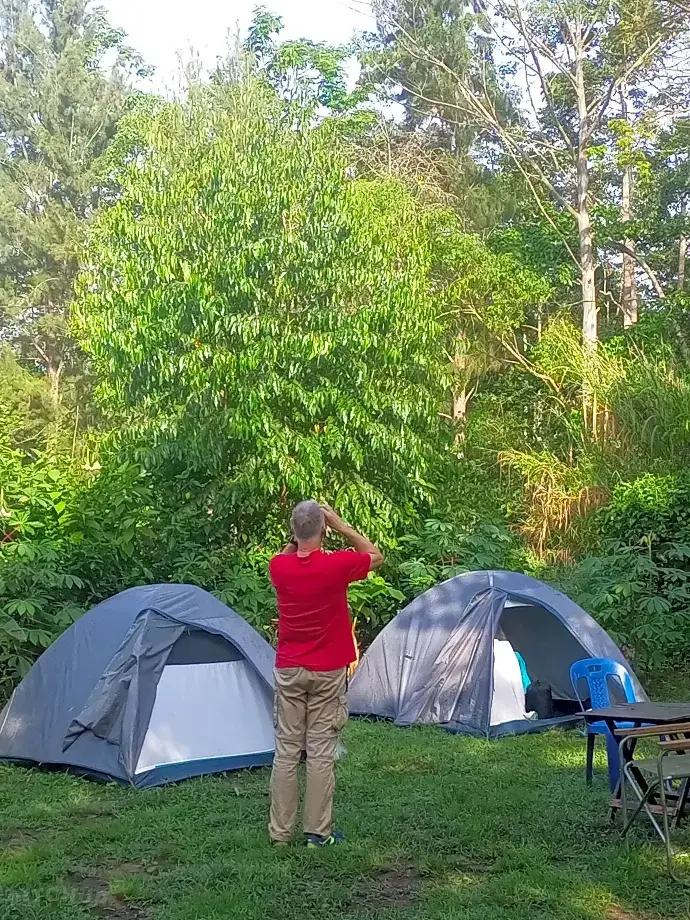
Kibale Forest Camping in Uganda I Little Monkey Camp
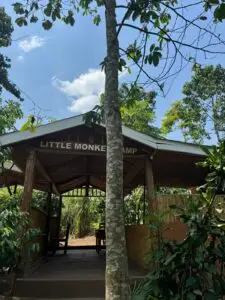
Kibale Forest Camping is one of the best ways to experience the natural beauty, wildlife, and peaceful atmosphere of western Uganda. Instead of staying far from the forest, travelers can sleep close to the edge of Kibale Forest and enjoy the sounds of birds, monkeys, insects, and other forest creatures. The experience combines adventure, nature, relaxation, and cultural discovery in one memorable Uganda safari experience. For travelers who want a more authentic connection with nature, camping near Kibale Forest offers an excellent alternative to conventional accommodation.
Kibale Forest stands among Uganda’s most famous destinations for primate experiences. The area attracts visitors who want to explore tropical forest landscapes, search for chimpanzees, discover colorful birds, and meet local communities. In addition, the surrounding area offers several activities that complement a camping adventure. Visitors can combine forest walks with chimpanzee trekking, birdwatching, community visits, nature experiences, and relaxing evenings around a campfire.
Little Monkey Camp provides a convenient base for travelers who want to enjoy Kibale Forest Camping near the forest edge. The camp offers a peaceful environment where guests can relax after a day of exploration. Furthermore, its location makes it convenient for travelers planning activities around Kibale Forest and nearby attractions.
Why Choose Kibale Forest Camping?
Kibale Forest Camping gives travelers an opportunity to experience Uganda’s natural environment at a slower and more personal pace. A campsite near the forest allows guests to wake up to birdsong rather than traffic and busy city sounds. In the evening, the forest creates a completely different atmosphere as daytime sounds gradually change to the calls of nocturnal creatures.
Camping also gives travelers flexibility. Some guests arrive with tents, while others travel with rooftop tents, camping vehicles, caravans, or overland vehicles. Therefore, Kibale Forest Camping can suit independent travelers, couples, families, groups of friends, and adventure travelers.
Moreover, camping often creates a stronger connection between travelers. Guests can share stories around a bonfire, discuss the day’s wildlife sightings, and exchange travel experiences. These simple moments often become some of the most memorable parts of a Uganda safari.
Another advantage involves the peaceful setting. After spending several hours exploring the forest, guests can return to camp, enjoy a meal, take a shower, relax in the garden, or sit around the fire. Consequently, camping provides both adventure and relaxation.
Kibale Forest Camping at Little Monkey Camp
Little Monkey Camp offers a forest-edge camping experience for travelers exploring Kibale and western Uganda. The camp creates a relaxed atmosphere for guests who want to spend time close to nature without giving up basic comfort.
The camp provides space for travelers who prefer camping as part of their safari. Visitors can bring their own camping equipment and enjoy the natural surroundings. The setting also works well for travelers using rooftop tents and other self-drive camping arrangements.
One of the main advantages of staying at Little Monkey Camp involves its convenient position near the activities around Kibale Forest. Travelers can use the camp as a base while exploring the forest and nearby attractions. After an active day, guests can return to camp and enjoy a quiet evening.
The camp also offers an opportunity to experience the forest environment beyond the main trekking hours. During the day, visitors may hear monkeys and birds moving through the surrounding vegetation. At night, the atmosphere becomes quieter and more mysterious.
For travelers who value nature, simplicity, and adventure, Little Monkey Camp creates a practical setting for Kibale Forest Camping.
The Natural Beauty Around Kibale Forest
Kibale Forest contains a remarkable tropical ecosystem with tall trees, dense vegetation, wetlands, streams, and open areas around the forest boundary. This variety creates habitats for many species of wildlife.
The forest environment changes throughout the day. Early morning often brings cool temperatures and active birdlife. As the sun rises, monkeys become more active, while insects fill the forest with their distinctive sounds. Later in the afternoon, the light changes as sunlight filters through the trees.
For campers, these changes create an experience that hotels cannot easily reproduce. You remain close to the natural environment throughout the day.
Kibale also supports a wide variety of primates. Chimpanzees remain among the most famous animals in the area, but visitors may encounter several monkey species during forest activities. Birdwatchers can also find many forest and wetland species in the wider area.
Because of this biodiversity, Kibale Forest Camping works particularly well for travelers who enjoy wildlife, photography, nature walks, and outdoor experiences.
Kibale Forest Camping for Chimpanzee Trekking

Chimpanzee trekking remains one of the main reasons travelers visit the Kibale area. The activity takes visitors into the forest in search of habituated chimpanzee communities. Experienced guides help visitors understand the forest environment and interpret animal behavior.
Staying close to the forest can make the trekking experience more convenient. Guests at Little Monkey Camp can organize their daily activities around their planned forest experiences and return to camp afterward.
Before trekking, travelers should prepare comfortable walking shoes, drinking water, rain protection, lightweight clothing, and insect protection. Forest conditions can change quickly, so preparation makes the experience easier.
Chimpanzee trekking can also involve walking on uneven ground. Therefore, visitors should maintain a reasonable level of fitness and inform their guides about any mobility limitations before starting.
Kibale Forest Camping adds another dimension to the chimpanzee experience because guests remain connected to the forest environment before and after their trek.
Kibale Forest and Bigodi Wetland Experiences
Travelers who choose Kibale Forest Camping can also explore the wider ecosystem around Kibale. Bigodi Wetland offers an excellent opportunity to discover a different environment from the dense forest.
The wetland supports birds, monkeys, butterflies, plants, and other wildlife. Local guides can explain the importance of the wetland and its relationship with surrounding communities.
A guided walk through the wetland provides a slower experience compared with chimpanzee trekking. Visitors can take time to observe birds, photograph plants, and learn about local life.
The combination of forest and wetland experiences makes a stay around Kibale more diverse. Instead of spending every day on one activity, travelers can create a balanced itinerary that includes wildlife, nature, culture, and relaxation.
After exploring the wetland, returning to Little Monkey Camp provides an opportunity to rest and enjoy the peaceful campsite environment.
Birdwatching During Kibale Forest Camping
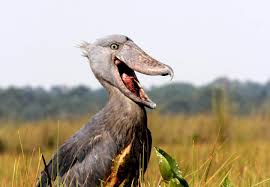
Birdwatching adds another exciting element to Kibale Forest Camping. The forest and surrounding wetlands support many bird species, making the area attractive to both experienced birders and casual wildlife enthusiasts.
Early mornings offer some of the best opportunities for birdwatching. Birds often become active as the forest wakes up. Therefore, campers who rise early can enjoy a peaceful birding session before beginning other activities.
Bring binoculars, a notebook, a camera, and a field guide if you enjoy identifying species. A quiet approach also helps because sudden movements and loud conversations can disturb wildlife.
The surrounding gardens and vegetation near a campsite can also attract smaller birds. As a result, guests do not always need to travel far to enjoy nature.
Birdwatching works particularly well for travelers who want a relaxing activity between more demanding excursions.
What Makes Kibale Forest Special?
Several factors make Kibale Forest Camping different from a standard hotel stay.
First, camping places you closer to nature. You can hear the environment changing from morning to evening.
Second, camping creates flexibility. Travelers with their own equipment can organize their stay around their preferred schedule.
Third, camping encourages outdoor living. Guests spend more time outside, which creates opportunities for photography, birdwatching, conversations, and relaxation.
Fourth, camping can provide a more affordable option for travelers who want to explore Kibale without choosing high-end accommodation.
Finally, camping creates memories through simple experiences. Sitting around a fire, watching the sunset, listening to birds, and waking up near the forest can become highlights of the entire trip.
Kibale Forest for Self-Drive Travelers
Uganda attracts many self-drive travelers who want to explore the country at their own pace. Kibale Forest Camping works especially well for this type of traveler.
Visitors traveling with rooftop tents can stop at Little Monkey Camp and establish their campsite before exploring the surrounding area. Caravan travelers and overland travelers can also plan their routes around a forest-edge camping stay.
Self-drive travelers should plan their fuel, food, water, camping equipment, navigation, and daily activities in advance. Uganda’s roads can vary significantly, particularly during rainy periods, so travelers should allow enough time for each journey.
A flexible itinerary helps self-drive travelers enjoy the experience without rushing. Instead of driving long distances every day, visitors can spend several nights around Kibale and explore the area properly.
Kibale Forest for Overland Travelers
Overland travel offers a unique way to discover Uganda. Large vehicles, expedition trucks, and other overland setups allow travelers to carry their own sleeping equipment, cooking supplies, and outdoor gear.
Little Monkey Camp can provide a useful stopping point for travelers exploring western Uganda. The peaceful forest-edge setting gives overland guests a place to rest, connect with other travelers, and prepare for the next stage of their journey.
Overland travelers often value campsites that provide easy access, a natural setting, and enough space for their vehicles. They also appreciate opportunities to meet local people and learn about the communities they visit.
Kibale Forest Camping can therefore become an important part of a longer Uganda overland route.
Kibale Forest for Rooftop Tent Travelers
Rooftop tents continue to attract adventure travelers because they combine mobility with outdoor sleeping. Travelers can drive during the day and set up their rooftop tent at a campsite in the evening.
At Little Monkey Camp, rooftop tent travelers can enjoy the forest-edge environment while keeping their own camping setup.
Before arriving, travelers should confirm campsite availability, especially during busy travel periods. They should also carry their own sleeping equipment, cooking supplies, lighting, insect protection, and personal essentials.
A rooftop tent provides an elevated sleeping position, but travelers should still follow campsite safety instructions and avoid leaving food exposed around wildlife.
Best Time for Kibale Forest
Travelers can enjoy Kibale Forest Camping throughout the year, although weather conditions can influence the experience.
The drier months often offer easier conditions for outdoor activities and forest walks. However, rainfall can occur at any time in a tropical forest environment.
The wetter periods bring their own advantages. Rain can make the forest lush and green, and the surrounding vegetation can look especially beautiful. Bird activity can also provide excellent opportunities for nature enthusiasts.
Because weather can change quickly, campers should always prepare for rain. A waterproof tent, rain jacket, dry bags, and suitable footwear can make a major difference.
Rather than focusing only on the weather, travelers should consider their preferred activities, travel schedule, and tolerance for wet conditions when planning Kibale Forest Camping.
What to Pack for Kibale Forest
Good preparation helps travelers enjoy Kibale Forest Camping comfortably.
Essential Camping Equipment
Bring a reliable tent or rooftop tent, sleeping bag, sleeping mat, torch or headlamp, and camping chair. If you plan to cook, carry a suitable stove, cooking utensils, plates, cups, and food supplies.
Clothing
Choose lightweight, breathable clothing for daytime activities. Add a warm layer for cooler mornings and evenings. Long trousers and long-sleeved shirts can also provide protection from insects and vegetation.
Rain Protection
Rain can arrive quickly in the forest. Pack a waterproof jacket, rain cover, waterproof bags, and protection for electronic equipment.
Footwear
Comfortable walking shoes or hiking boots can make forest activities easier. Bring sandals or lighter footwear for relaxing at camp.
Personal Items
Carry toiletries, sunscreen, insect repellent, reusable water bottles, personal medication, binoculars, and a camera if you enjoy wildlife photography.
Preparation allows you to focus on the experience rather than worrying about missing equipment.
Kibale Camping and Bonfire Evenings
A bonfire can transform an ordinary evening into a memorable outdoor experience. After a full day of trekking or sightseeing, guests can gather around the fire, enjoy conversation, and relax under the evening sky.
At Little Monkey Camp, the outdoor environment creates a natural setting for evening relaxation. Guests can share travel stories, enjoy refreshments, and reflect on the day’s adventures.
However, campers should always follow local fire-safety rules. Keep fires in designated areas, never leave a fire unattended, and make sure it goes out completely before going to sleep.
Responsible campfire practices protect both guests and the surrounding environment.
Kibale Camping and Forest Sounds
One of the most memorable aspects of Kibale Forest Camping involves the sounds of nature.
During the morning, birds provide a natural soundtrack. Monkeys may move through nearby vegetation, while insects create a constant background rhythm.
As evening arrives, daytime sounds gradually change. Different insects become active, and the forest takes on a quieter atmosphere.
For many travelers, these sounds create a stronger connection with Uganda than a conventional accommodation experience. You do not simply visit the forest during the day; you remain close to its environment throughout your stay.
Kibale Camping for Families
Families can enjoy Kibale Forest Camping when they prepare appropriately. Children often enjoy outdoor environments because camping creates opportunities for exploration and discovery.
Parents should supervise children around tents, cooking equipment, campfires, and unfamiliar wildlife. Adults should also explain why visitors should avoid feeding animals or approaching wildlife.
Family travelers can balance active excursions with relaxing time at camp. For example, a family can spend one morning exploring the forest, enjoy lunch, rest during the afternoon, and spend the evening around the campsite.
This approach prevents children from becoming exhausted while still providing an exciting safari experience.
Kibale Camping for Couples
Couples looking for a peaceful outdoor experience can also enjoy Kibale Forest Camping. The natural setting creates opportunities for quiet walks, photography, evening conversations, and relaxing moments together.
Instead of following a packed itinerary, couples can leave space for spontaneous experiences. A slow morning at camp, a forest walk, and a quiet evening can create a memorable romantic getaway.
Little Monkey Camp provides a natural environment where couples can combine camping with other Kibale activities.
Kibale Camping for Groups
Groups of friends can make camping particularly enjoyable. Shared cooking, storytelling, photography, forest activities, and evening conversations create opportunities for everyone to participate.
Groups should organize their equipment before arrival. Assigning responsibilities for cooking, cleaning, fire management, and campsite organization can make the experience easier.
Travelers should also respect other guests. Keeping music and conversations at reasonable levels helps maintain the peaceful atmosphere around the campsite.
Responsible Kibale Forest Camping
Responsible tourism protects the environment and supports local communities. Every traveler has a role to play.
Do not litter. Carry reusable containers where possible and dispose of waste in appropriate areas.
Avoid disturbing wildlife. Never chase animals, feed them, or attempt to attract them for photographs.
Respect local communities and their traditions. Ask permission before photographing people and support local businesses when possible.
Use water responsibly. Forest-edge communities and camps depend on reliable water resources, so avoid unnecessary waste.
Keep noise levels low, especially near natural habitats.
Responsible Kibale Forest Camping helps preserve the destination for future travelers.
Supporting Local Communities Through Kibale Forest Camping
Tourism can create opportunities for communities surrounding Kibale Forest. Visitors can support local livelihoods by using local guides, purchasing crafts, eating local food, and choosing locally operated services.
Community experiences can also help travelers understand the region beyond wildlife. Conversations with residents can reveal information about farming, culture, traditional foods, conservation, and daily life.
This connection adds depth to a Uganda safari. Travelers do not simply observe a forest; they also learn about the people who live around it.
Kibale Forest Camping and Peter’s Fishing Tours
Peter’s Fishing Tours can help travelers combine wildlife experiences with fishing adventures in Uganda. Although Kibale remains famous for primates and forest experiences, travelers who enjoy outdoor activities can create a broader itinerary that includes fishing destinations.
Peter’s Fishing Tours focuses on fishing experiences in Uganda and can help travelers interested in combining fishing with other safari activities.
For adventurous travelers, a Uganda trip does not have to focus on only one activity. A journey can include Kibale Forest Camping, chimpanzee trekking, wetland walks, wildlife viewing, cultural experiences, and sport fishing.
This combination creates a more varied holiday and allows visitors to discover different landscapes across Uganda.
Combining Kibale Forest With a Uganda Safari
Travelers can easily include Kibale in a longer Uganda itinerary. The destination works well with other western Uganda attractions.
A multi-day journey might begin in Kampala or Entebbe before continuing toward Kibale. Travelers can then spend several nights enjoying Kibale Forest Camping and exploring the forest.
After Kibale, visitors can continue toward Queen Elizabeth National Park, Semliki, Fort Portal, Bwindi, or other destinations depending on their interests and available time.
The exact route depends on transportation, activities, season, and budget.
A slower itinerary often provides a better experience because travelers have enough time to appreciate each destination.
Kibale Forest Camping Near Kanyanchu
Kanyanchu serves as an important area for visitors planning chimpanzee trekking and other forest activities in Kibale. Staying within the wider forest area can help travelers organize their daily schedule more efficiently.
Little Monkey Camp provides a convenient forest-edge base for guests who want to explore this part of Uganda.
Travelers should always confirm activity times and permit arrangements before their visit. Planning ahead reduces unnecessary delays and helps ensure a smooth safari experience.
Food During Kibale Forest Camping
Food forms an important part of any camping experience. Some travelers prefer to cook their own meals, while others choose prepared meals at their accommodation or nearby restaurants.
Self-drive campers can bring basic ingredients and cooking equipment. Simple meals such as rice, pasta, vegetables, eggs, fruit, and grilled foods work well for camping.
Travelers should store food securely and avoid leaving leftovers exposed. Good food storage reduces the risk of attracting insects and animals.
Trying local Ugandan food can also make the trip more memorable. Visitors can explore dishes prepared with fresh local ingredients and learn about regional food traditions.
Photography During Kibale Forest Camping
Kibale offers many photography opportunities. Forest landscapes, birds, butterflies, plants, monkeys, sunsets, and campsite scenes can all provide interesting subjects.
A camera with a versatile lens works well for travelers who want to photograph both landscapes and wildlife. A smartphone can also capture excellent memories when used thoughtfully.
Avoid getting too close to animals for a photograph. Wildlife photography should always prioritize safety and animal welfare.
Early morning and late afternoon often provide attractive natural light. Campers can use these periods for landscape and nature photography.
Nighttime Experiences Around Kibale Forest
Nighttime around a tropical forest creates a completely different atmosphere from daytime. Insects become more noticeable, nocturnal animals may become active, and the forest takes on a mysterious character.
If you participate in a guided night activity, follow the guide’s instructions carefully. Carry appropriate lighting and remain with the group.
Do not walk into the forest alone at night. Even familiar areas can become difficult to navigate in darkness.
At the campsite, travelers can enjoy the night from designated areas while maintaining appropriate safety practices.
Safety During Kibale Forest Camping
Safety should remain a priority throughout your stay.
Always follow campsite instructions. Keep personal belongings secure and avoid leaving valuable items unattended.
Use a torch when walking around camp at night. Wear suitable shoes and watch for uneven ground.
Keep food properly stored and do not approach wildlife.
During forest activities, remain with your guide and follow instructions. The forest contains natural hazards, including slippery ground, branches, insects, and changing weather.
Travelers should also keep emergency contacts and essential travel documents accessible.
Good preparation allows visitors to enjoy the adventure with confidence.
Weather and Rain During Kibale Forest Camping
Rain forms part of the tropical forest experience. A sudden shower can arrive even when the morning begins with clear skies.
Therefore, campers should prepare waterproof equipment. Keep clothes and important documents in dry bags or sealed containers.
After rain, forest trails may become muddy or slippery. Take shorter steps and use stable footwear.
Rain also creates beautiful scenery. Water droplets on leaves, mist among trees, and fresh green vegetation can provide excellent photography opportunities.
Instead of treating rain as a problem, prepared travelers can view it as part of the Kibale experience.
Kibale Forest Camping for Nature Lovers
Nature lovers can spend several days exploring the forest environment at a relaxed pace. Camping encourages travelers to observe small details that they might miss during a quick visit.
Watch butterflies moving between flowers. Listen to different bird calls. Observe how sunlight changes the forest floor. Notice insects and plants around the campsite.
These simple observations create a deeper appreciation for the ecosystem.
Kibale Forest Camping therefore suits travelers who value nature rather than only ticking attractions from a list.
Kibale Forest Camping for Adventure Travelers
Adventure travelers often look for experiences that combine exploration and independence. Camping provides exactly that atmosphere.
Travelers can wake early, prepare breakfast, explore the forest, return for lunch, and spend the afternoon relaxing. They can then enjoy an evening outdoors.
For self-drive visitors, camping also creates freedom to adapt the itinerary. If a particular activity interests you, you can spend more time exploring it instead of moving immediately to another destination.
Kibale Forest Camping on a Budget
Camping can provide a practical way to control accommodation costs during a Uganda safari. Travelers who bring their own equipment can reduce accommodation expenses while still staying close to major attractions.
Budget travelers can also save by preparing some meals themselves and planning activities carefully.
However, a low-cost trip should not mean ignoring safety or comfort. Invest in reliable camping equipment, carry sufficient water, and plan transportation properly.
Little Monkey Camp offers an option for travelers who want a simple camping experience near Kibale.
Planning Your Kibale Forest Camping Trip
Start by deciding how many nights you want to spend around Kibale. Two or three nights can provide enough time for major activities without creating a rushed schedule.
Next, choose your accommodation style. You may prefer a tent, rooftop tent, or another camping arrangement.
Then plan your forest activities. Chimpanzee trekking often requires advance planning, so check availability and requirements before traveling.
After that, organize transportation. Self-drive travelers should check road conditions and fuel requirements. Travelers using private transport can arrange transfers and guided excursions.
Finally, prepare suitable clothing, camping equipment, food, water, and personal items.
A little preparation can make Kibale Forest Camping much more enjoyable.
A Sample Kibale Forest Camping Experience
A three-day stay can provide a good introduction to the area.
Day One: Arrival at Little Monkey Camp
Arrive at Little Monkey Camp and set up your tent. Take time to relax and explore the campsite surroundings.
In the evening, enjoy dinner and spend time around the bonfire. Listen to the forest sounds and prepare for the next day’s activities.
Day Two: Forest and Chimpanzee Experience
Wake early and prepare for your forest activity. After breakfast, travel toward the trekking area and begin your chimpanzee experience.
Spend time exploring the forest with your guide. Afterward, return to camp for lunch and rest.
In the afternoon, enjoy a relaxed activity such as birdwatching, photography, or a community experience.
Finish the day with a peaceful evening at camp.
Day Three: Wetland and Departure
After breakfast, explore the nearby wetland or another local attraction.
Enjoy your final meal at camp before packing your equipment and continuing to your next Uganda destination.
This flexible structure allows travelers to combine adventure with rest.
Why Travelers Return to Kibale Forest Camping
Many travelers enjoy camping because it creates a stronger sense of place. You wake up in the same environment you spent the previous day exploring.
The simplicity of camping also encourages people to slow down. Instead of spending the evening inside a room watching television, guests can sit outside and enjoy nature.
The experience also creates opportunities for social interaction. Travelers from different countries can meet, share stories, and exchange recommendations.
For repeat visitors to Uganda, Kibale Forest Camping can offer a different perspective from conventional accommodation.
Kibale Forest Camping and Conservation
Kibale’s forests support wildlife, local communities, tourism, and ecological systems. Responsible tourism can contribute to conservation by creating economic value for natural areas.
Visitors can support conservation by following park regulations, using designated trails, avoiding litter, and respecting wildlife.
Camping responsibly also matters. Do not cut vegetation for firewood, avoid damaging plants, and keep campsites clean.
Every responsible traveler contributes to protecting the destination.
Choosing Little Monkey Camp for Kibale Forest Camping
Little Monkey Camp offers travelers a relaxed base for exploring the Kibale area. Its forest-edge setting creates an atmosphere that suits visitors who enjoy outdoor travel and nature.
Travelers can use the camp as a starting point for forest activities and nearby experiences. At the end of the day, they can return to a peaceful environment and enjoy time outdoors.
The combination of location, camping, nature, and a relaxed atmosphere makes Little Monkey Camp a practical choice for visitors who want to experience Kibale beyond a short daytime visit.
Frequently Asked Questions About Kibale Forest Camping
Is Kibale Forest Camping suitable for self-drive travelers?
Yes. Travelers using cars, rooftop tents, caravans, and overland vehicles can plan a camping stay around Kibale. However, travelers should confirm campsite arrangements before arrival.
Can I camp with a rooftop tent?
Yes, rooftop tent travelers can choose camping as part of their Kibale adventure. Bring your own equipment and check the available campsite arrangements.
How many nights should I spend camping around Kibale?
Two to three nights can provide a good introduction, although travelers with more time can stay longer and explore additional attractions.
Can I combine camping with chimpanzee trekking?
Yes. Many travelers combine Kibale Forest Camping with chimpanzee trekking because the activities complement each other well.
Can families go camping around Kibale?
Families can enjoy camping when they prepare properly and supervise children around fires, equipment, and wildlife.
What should I bring for Kibale Forest Camping?
Bring a tent or rooftop tent, sleeping equipment, suitable clothing, rain protection, hiking shoes, insect repellent, a torch, water bottles, toiletries, and personal essentials.
Does it rain around Kibale?
Yes. Kibale has a tropical climate, and rain can occur during different periods of the year. Always carry rain protection.
Is Kibale Forest Camping good for birdwatching?
Yes. The wider Kibale ecosystem offers excellent opportunities for birdwatching, particularly during early morning activities.
Can I visit Bigodi Wetland during my camping trip?
Yes. Bigodi Wetland can complement your forest experience and offers opportunities for birdwatching, primate viewing, nature walks, and cultural experiences.
Can Peter’s Fishing Tours help combine fishing with a Kibale trip?
Peter’s Fishing Tours can help travelers interested in combining Uganda fishing adventures with other outdoor experiences. Travelers can discuss their preferred destinations and build an itinerary that combines fishing with wildlife and nature activities.
Final Thoughts on Kibale Forest Camping
Kibale Forest Camping offers a memorable way to experience one of Uganda’s most fascinating natural areas. The combination of forest scenery, wildlife, birdlife, outdoor living, and peaceful evenings creates an experience that goes beyond ordinary accommodation.
Little Monkey Camp gives travelers a convenient forest-edge base where they can relax after exploring the area. From rooftop tent travelers and self-drive adventurers to families, couples, and groups of friends, different types of visitors can enjoy the camping experience.
Furthermore, travelers can combine their stay with chimpanzee trekking, Bigodi Wetland walks, birdwatching, cultural experiences, and other Uganda safari activities. Those who want to explore more of Uganda can also work with Peter’s Fishing Tours to include fishing adventures in a wider itinerary.
Ultimately, the best camping experiences come from slowing down and enjoying the environment. Wake up early, listen to the birds, explore the forest, meet local people, enjoy a campfire, and take time to appreciate the landscape.
Kibale Forest Camping allows you to experience Uganda from a closer perspective. Rather than simply visiting Kibale for a few hours, you can stay near the forest, enjoy the natural atmosphere, and create memories that remain long after your Uganda safari ends.
Book Your Kibale Forest Camping Experience
If you are planning a camping trip to western Uganda, consider making Little Monkey Camp part of your itinerary. Whether you travel with a rooftop tent, caravan, overland vehicle, or standard camping equipment, a forest-edge stay can add adventure and flexibility to your journey.
Plan your activities early, prepare for changing weather, respect the forest, and give yourself enough time to enjoy the destination.
For travelers interested in combining nature, wildlife, camping, and fishing, Peter’s Fishing Tours can also help create a broader Uganda adventure.
Kibale Forest Camping offers more than a place to sleep. It provides an opportunity to wake up close to nature, explore one of Uganda’s remarkable forest ecosystems, and experience the peaceful side of adventure travel.
Reach out to Little Monkey Camp directly at mail;
Get more details by contacting us at;