




The Ultimate Guide to Bugoma Forest Chimpanzee Tracking: Your Complete Eco-Adventure Manual
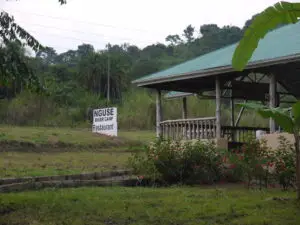
Bugoma Forest is one of East Africa’s most biodiverse and breathtaking central forest reserves. It spans over 400 square kilometers in western Uganda. This ancient canopy is a vital ecological corridor and wildlife sanctuary. It also attracts eco-travelers seeking authentic jungle experiences.
Guides look for fresh signs of chimp activity, including:
-
- Knuckle prints in soft mud.
- Discarded fruit skins or chewed wild ginger stalks.
- Fresh dung samples.
- Nests made of bent branches high up in the trees.
The Moment of Contact
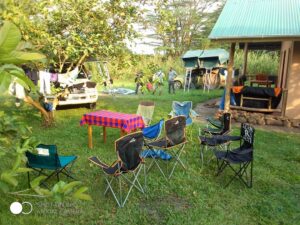
The forest is rarely silent, but nothing prepares you for the moment you first hear the chimps. It often begins with a distant, low rumble that quickly builds into a deafening chorus of pant-hoots, screams, and the thumping of powerful hands against buttress roots. This vocal signaling alerts the tracking team that the chimps are nearby.
When you finally catch up to them, you are allowed exactly one hour in their presence. Watching a mother cradle an infant, young sub-adults wrestling in the leaf litter, or an alpha male asserting his dominance is a powerful experience that highlights our deep evolutionary connection to these magnificent creatures.
Essential Packing List for a Tropical Forest Trek
To fully enjoy your primate excursion without distraction, packing the appropriate gear for a humid, unpredictable tropical rainforest environment is critical.
Clothing and Footwear
-
- Moisture-Wicking Base Layers: Avoid heavy cotton fabrics. Choose lightweight synthetic or merino wool garments that dry quickly and wick away sweat.
- Sturdy Hiking Boots: Ensure your footwear is fully broken-in before your trip. Waterproof boots with deep tread and excellent ankle support are vital for navigating slick mud and steep ravines.
- Long Trousers and Sleeves: Protect your skin from stinging nettles, sharp thorns, and biting insects by wearing full-length safari pants and long-sleeved shirts. Earth tones (khaki, green, tan) are highly recommended; avoid bright colors or camouflage patterns, which are reserved for military personnel.
- Trekking Gaiters: Heavy-duty gaiters prevent safari ants, ticks, and debris from entering your boots when trekking off-trail through dense leaf litter.
Hydration, Nutrition, and Skin Protection
-
- Water and Snacks: Carry at least two to three liters of clean drinking water and high-energy snacks like nuts, dried fruit, or energy bars to maintain stamina during long, unpredictable treks.
- Insect Repellent and Sun Care: Apply a high-quality insect repellent containing DEET to guard against tsetse flies and mosquitoes. Bring a wide-brimmed hat and reef-safe sunscreen for exposed areas along forest borders.
Camera Gear and Electronics
- Waterproof Dry Bags: Tropical downpours can happen instantly. Keep camera bodies, extra lenses, and smartphones sealed in reliable dry bags.
- Optimal Lenses: Primate tracking often takes place in low-light conditions beneath a thick canopy. Fast lenses (f/2.8 or f/4) with a versatile focal length, such as a 70-200mm or 100-400mm zoom, allow you to capture sharp images of chimps high up in the branches without needing a flash, which is strictly prohibited.
Choosing the Best Bugoma Forest Accommodation
A successful primate safari requires finding comfortable lodging where you can rest, recharge, and prepare for the physically demanding days ahead. The right accommodation provides more than just a bed; it acts as an educational and logistical base camp that enhances your journey.
Proximity to the Tracking Trailheads
When looking for the Best Bugoma Forest Accommodation, your primary consideration should be proximity to the forest headquarters and habituated chimp territory. Choosing a lodge located too far away means waking up before dawn to navigate rough dirt roads, increasing the risk of missing vital pre-trek safety briefings. A perfectly positioned base eliminates travel stress, allowing you to head out into the forest fresh and fully prepared.
The Role of Eco-Friendly Architecture
True luxury in the wilderness lies in harmonizing with nature, rather than dominating it. The premier accommodations in the Bugoma region feature low-impact architectural designs, relying on locally sourced timber, stone, and thatch to blend into the surrounding forest landscape. These properties prioritize solar energy power, advanced water-harvesting systems, and comprehensive waste management programs, ensuring that your stay supports local environmental preservation.
Nguse River Camp: The Premier Base for Your Expedition
Nestled along the winding waters of the Nguse River on the periphery of the reserve, Nguse River Camp stands out as the Best Bugoma Forest Accommodation for discerning eco-tourists, researchers, and wildlife photographers alike.
An Unrivaled Riverside Location
The camp’s location provides a rare mix of terrestrial forest ecosystems and riverine environments. Positioned right on the riverbank, Nguse River Camp offers guests an immersive auditory experience, where the gentle murmur of flowing water blends with the distant calls of black-and-white colobus monkeys and exotic birds. This unique riverfront access also opens up opportunities for boat-based birdwatching and evening sundowners along the water’s edge, experiences unmatched by landlocked lodges.
Elevated Eco-Luxury Cabins
Accommodation at Nguse River Camp consists of beautifully crafted, elevated safari cottages designed to maximize airflow and provide panoramic views of the river and forest canopy. Each cottage features private en-suite bathrooms, comfortable plush bedding, and private wooden verandas. These verandas are ideal spots for sipping locally grown Ugandan coffee while watching hornbills and butterflies flit through the riverside vegetation.
Exceptional Hospitality and Local Cuisine
After an exhausting day of tracking chimpanzees through dense jungle, the dining experience at Nguse River Camp offers a welcoming reward. The camp kitchen specializes in farm-to-table dining, preparing fresh dishes made with organic ingredients sourced directly from neighboring farming communities. The menus offer a creative mix of international favorites and traditional Ugandan specialties, ensuring every meal is nutritious, fresh, and bursting with local flavor.
Beyond Chimpanzees: The Diverse Wildlife of Bugoma Forest
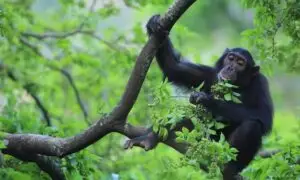
While the chimpanzees draw travelers from around the world, Bugoma Central Forest Reserve hosts an incredible diversity of wildlife that rewards multi-day exploration.
The Endemic Ugandan Mangabey
Bugoma Forest is one of the few places on earth where you can see the rare Ugandan Mangabey (Lophocebus ugandae), a primate species endemic to Uganda. Once thought to be a subspecies of the grey-cheeked mangabey, genetic analysis has classified it as its own distinct species. These arboreal monkeys are easily recognized by their dark coats, long tails, and distinct facial hair styles, and they are regularly seen foraging in the mid-to-upper canopies of the forest.
A Diverse Range of Mammals and Primate Species
In addition to chimps and mangabeys, Bugoma hosts a vibrant community of other primates, including:
-
- Central African red colobus monkeys.
- Olive baboons.
- L’Hoest’s monkeys.
- Blue monkeys.
- Nocturnal prosimians like bushbabies (galagos) and pottos, which can be spotted during guided night walks.
Larger mammals also roam the reserve. While rarely seen due to the dense vegetation, forest elephants periodically migrate through the reserve’s corridors, while elusive forest buffaloes, side-striped jackals, and African golden cats find sanctuary deep within the forest interior.
A Paradise for Birdwatchers: Avian Treasures of the Canopy
For bird enthusiasts, Bugoma Forest is an essential stop on any western Uganda birding itinerary, with over 220 recorded bird species, including several Albertine Rift endemics and threatened forest specialists.
The Search for the Endangered Nahan’s Partridge
The ultimate prize for birders visiting Bugoma is the endangered Nahan’s Partridge (Ptilopachus nahani). This highly terrestrial, elusive bird lives in the dense undergrowth and buttress root systems of mature ironwood forests. Spotting one requires patience, quiet tracking, and the expertise of a specialized local birding guide who can identify its distinct, rhythmic territorial calls.
Canopy Specialists and Colorful Riverine Birds
As you explore the trails or relax on the deck at Nguse River Camp, keep your binoculars ready for a spectacular show of avian life. The upper canopies are home to striking Black-billed Turacos, Great Blue Turacos, and several species of large hornbills, whose heavy wings make a loud whooshing sound as they fly overhead. Along the river, look for the brilliant flash of the Chocolate-backed Kingfisher, the African Finfoot, and the elusive White-spotted Flufftail hunting in the shadows of the overhanging vegetation.
The Botanical Wonders: Ancient Trees and Medicinal Flora
The flora of Bugoma Central Forest Reserve is as fascinating as its animal inhabitants. The forest is a complex, living pharmacy and an ancient botanical wonderland that showcases millions of years of uninterrupted evolution.
The Mighty Ugandan Ironwood
The dominant tree species in mature sections of Bugoma is the Ugandan Ironwood (Cynometra alexandri). These massive trees feature dramatic fluted trunks and sweeping buttress roots that spread wide across the forest floor, stabilizing the giant trees in thin tropical soils. The ironwood canopy produces a deep shade that shapes the unique microclimate of the forest understory, creating the ideal habitat for specialized ferns, mosses, and terrestrial orchids.
Traditional Medicine and Ethnoprotection
For generations, the communities surrounding Bugoma Forest have relied on its plants for traditional medicine. Local guides can point out remarkable plants like the Prunus africana (African cherry), whose bark is used worldwide in modern prostate medications, and various wild ginger species used to treat respiratory conditions and digestive issues. Learning about these ethnobotanical connections adds depth to your trek, highlighting how closely human health is linked to the preservation of wild ecosystems.
Community-Led Conservation: The Human Element
Sustainable tourism relies on ensuring that local communities directly benefit from the preservation of wild places. Without their support, conservation efforts cannot succeed over the long term.
Creating Alternative Livelihoods
When communities see tangible economic benefits from tourism, they transition from resource extractors to active protectors of the wilderness. Tourism revenues help fund alternative livelihood programs around Bugoma, including community-managed beekeeping projects along the forest edge, sustainable tree nurseries, and organized handicraft cooperatives. These initiatives reduce the financial pressure on families to clear land for charcoal burning or agricultural expansion.
Fostering a Cult of Conservation Education
The financial support from eco-lodges like Nguse River Camp helps fund vital conservation education programs in local schools. These initiatives organize field trips for local students into Bugoma Forest, allowing young Ugandans to see wild chimpanzees firsthand. Building this pride and environmental awareness ensures that the next generation will stand up as dedicated guardians of Bugoma’s natural heritage.
Planning Your Itinerary: Maximizing Your Time in Western Uganda
To maximize your primate safari, design an itinerary that allows you to properly experience the diverse ecosystems of the Albertine Rift without rushing through them.
The Ideal Duration of Your Stay
While some travelers attempt to visit Bugoma on a brief day-trip, a minimum stay of two to three nights is highly recommended. This window gives you flexibility if rain delays your first trek, and allows time to enjoy the forest’s other offerings, such as birdwatching tours, community walks, and relaxing boat safaris along the Nguse River.
Combining Bugoma with the Western Safari Circuit
Bugoma Central Forest Reserve is perfectly situated to anchor a broader western Uganda safari itinerary. It serves as an ideal intermediate stop between Murchison Falls National Park, famous for its savannah game drives and powerful waterfalls, and Kibale National Park or Queen Elizabeth National Park to the south. Including Bugoma in this loop allows you to experience a seamless transition of ecosystems, moving from expansive savannah plains to dense, pristine tropical rainforests.
Health, Safety, and Primate Etiquette in the Wilderness
Tracking chimpanzees is incredibly rewarding, but it requires strict adherence to international health and safety standards to protect both travelers and the wild primates.
Protecting Our Closest Relatives from Disease
Chimpanzees share roughly 98.8% of their DNA with humans, making them highly vulnerable to human pathogens. A simple common cold, influenza, or respiratory virus can easily spread to a wild chimp community and prove fatal. If you feel unwell or show symptoms of a contagious illness on the morning of your trek, show responsible leadership by reporting it to the rangers. Many operators will help reschedule your trek or offer alternative activities to ensure the chimps stay safe.
Essential Rules in the Presence of Chimpanzees
When you find the chimpanzees, follow these rules to ensure a safe, respectful encounter:
- Maintain an Eight-Meter Distance: Give the primates plenty of space to move naturally without feeling cornered.
- Keep Voices Low: Speak in quiet whispers to avoid disturbing the animals or missing subtle forest sounds.
- No Food or Drink Near Primates: Never eat or drink while watching the chimps, as dropped food scraps can introduce diseases or spark aggressive behavior among the animals.
- Turn Off Camera Flashes: Always disable your camera flash, as bright, sudden lights can blind or startle a dominant chimp, leading to defensive reactions.
How to Get to Bugoma Forest and Nguse River Camp
While Bugoma Forest feels wonderfully remote, it is easily accessible from Uganda’s major transport hubs with the right planning.
Travelling by Road
The most common route to Bugoma is by road from Entebbe International Airport or Kampala. The drive takes you along the well-paved Kampala-Hoima Highway, winding through scenic Ugandan countryside, traditional villages, and rolling tea estates. The journey to Hoima City takes roughly four to five hours. From Hoima, a 1.5-hour drive on secondary dirt roads brings you to the forest edge and the welcoming gates of Nguse River Camp. A sturdy 4×4 vehicle is essential, especially during the rainy season when dirt roads can become slick and muddy.
Fly-In Safari Options
For travelers short on time or looking to avoid long road journeys, domestic fly-in options are available. You can book scheduled or charter flights from Entebbe International Airport to the Pakuba or Bugungu airstrips in nearby Murchison Falls National Park, or to the private airstrip in Hoima. From there, a comfortable safari vehicle can pick you up for a scenic transfer straight to your base camp, letting you start your forest adventure fresh and full of energy.
The Seasonal Guide: When to Visit Bugoma Forest
Bugoma Forest can be visited year-round, but understanding the region’s distinct seasonal weather patterns will help you plan your ideal trek.
The Dry Seasons (December to February, June to September)
The dry seasons are generally considered the easiest times for chimpanzee tracking. With less rainfall, hiking trails are firmer, forest streams are lower, and navigating the thick undergrowth is less physically demanding. However, because water and fruit resources are scarcer, chimpanzees may travel deeper into the forest interior or high into the upper canopy, requiring longer hikes to find them.
The Wet Seasons (March to May, October to November)
Don’t overlook the wet seasons for an incredible primate safari. During these months, the forest becomes a lush, vibrant green, and the air is remarkably clear—ideal conditions for wildlife photography. Abundant fruit production means chimpanzees don’t have to wander far to forage; they are often found lower in the understory, gorging on wild figs close to the main tracking trails. Be prepared for slick mud, and make sure your waterproof gear is ready for sudden downpours.
Photo Gallery Inspiration: Capturing the Magic of the Jungle
Photographing a tropical rainforest is an artistic challenge that requires patience, technical skill, and an eye for subtle details. The lighting beneath a thick canopy changes constantly, shifting from deep, moody shadows to intense beams of sunlight slicing through the branches.
Capturing Fleeting Primate Expressions
When photographing chimpanzees, focus on capturing their highly expressive eyes, hands, and social interactions. A portrait of an elder chimp showing weathered knuckles, or a wide shot of a young primate swinging from a wild liana vine, tells a powerful story of survival in the jungle.
To get the best shots, use a flexible single-point autofocus setting to track your subject through the tangled branches, and keep your ISO high enough to freeze sharp movements in low-light conditions.
Documenting the Intricate Micro-World
Look beyond the large mammals and turn your lens toward the forest floor and understory. Bugoma Forest is filled with macro photography opportunities, from delicate velvet fungi growing on decaying logs to colorful tree frogs hiding in wild ginger leaves and giant swallowtail butterflies puddling near forest streams. Capturing these smaller elements creates a complete visual narrative of your expedition, showcasing the complex, interconnected layers of life that make this forest so magical.
Frequently Asked Questions About Bugoma Chimpanzee Tracking
How physically demanding is chimpanzee tracking in Bugoma?
The difficulty level varies from moderate to challenging, depending on weather conditions and where the chimpanzees move. Treks can last anywhere from one to five hours, taking you over muddy terrain, through thick undergrowth, and down steep forest ravines. A reasonable level of physical fitness and good stability on uneven ground will ensure you enjoy the experience comfortably.
Am I guaranteed to see chimpanzees on my trek?
While wild animals are unpredictable and sightings can never be 100% guaranteed, the success rate for finding chimpanzees in Bugoma Forest is exceptionally high, typically exceeding 90%. The combination of experienced local trackers, dedicated research teams, and advanced tracking protocols ensures that your group is guided directly toward active primate communities.
Why is there a minimum age limit for primate tracking?
In Uganda, the minimum age for tracking chimpanzees is strictly set at 15 years old. This rule is in place for safety and conservation reasons. Children are more likely to carry common childhood diseases that could devastate a wild primate population, and they may find the physical demands and strict behavioral rules of a long jungle trek difficult to manage.
Can I track chimpanzees on my own without a guide?
No, independent trekking inside Bugoma Central Forest Reserve is strictly prohibited. For your safety and the protection of the wildlife, you must be accompanied by licensed Uganda Wildlife Authority rangers or certified forest guides who know the terrain, understand primate behavior, and are trained to handle wilderness emergencies.
Book Your Unforgettable Primate Adventure
A journey into Bugoma Central Forest Reserve is more than a standard holiday; it is an immersive exploration of one of East Africa’s most vital, untamed wilderness areas. The experience of walking among wild chimpanzees, hearing their powerful choruses echo through the canopy, and discovering the forest’s rare birds and plants leaves a lasting impression on every traveler.