


Gorilla Trekking in Uganda: The Ultimate 2026 Guide to Permits, Costs, Best Time & Tours

Gorilla Trekking in Uganda: The Ultimate Guide for First-Time Visitors
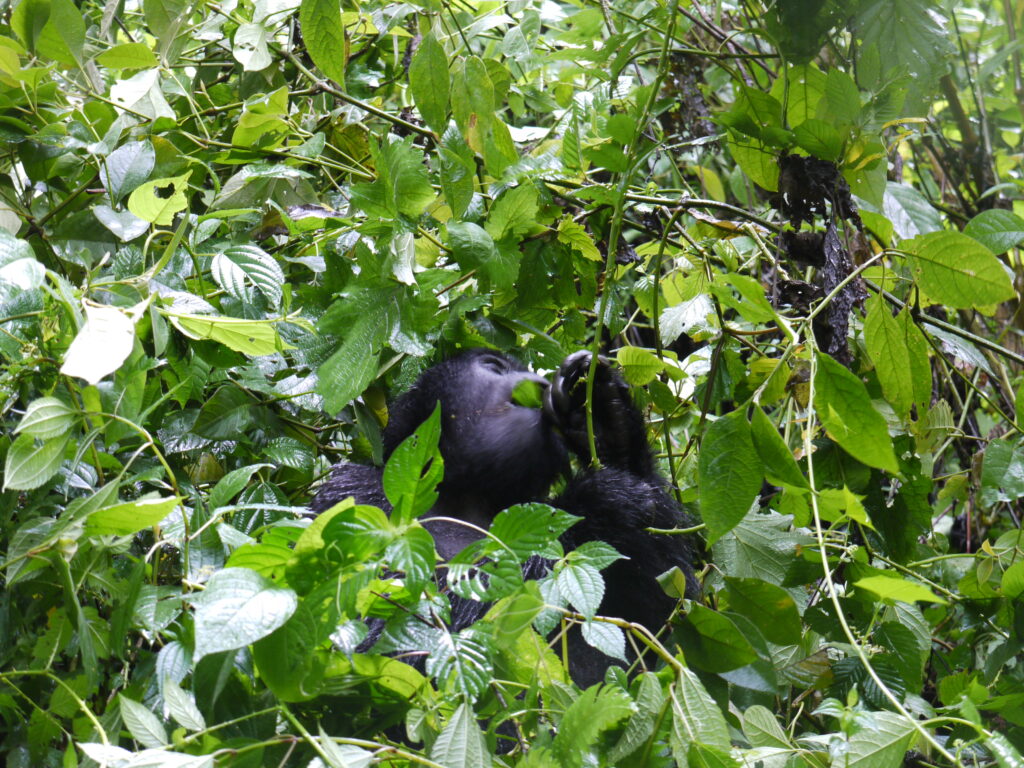
Gorilla Trekking in Uganda is one of the most remarkable wildlife experiences in Africa, offering visitors a rare opportunity to observe endangered mountain gorillas in their natural rainforest habitat. The adventure begins with an early morning briefing at the park headquarters, followed by a guided hike through dense, misty forests in search of a habituated gorilla family. Depending on their location, the trek can take anywhere from one hour to several hours, but the reward is an unforgettable one-hour encounter with these gentle giants as they feed, play, and interact in their family groups.
Experienced Local Guides on Gorilla Trekking in Uganda
Uganda’s ranger guides possess extensive knowledge of mountain gorilla behavior, rainforest ecology, and wildlife conservation. Their expertise not only enhances visitor safety but also creates an educational and deeply meaningful trekking experience.
Supporting Conservation during Gorilla Trekking in Uganda
Every gorilla trekking permit directly contributes to protecting endangered mountain gorillas, preserving rainforest habitats, funding ranger patrols, and supporting surrounding communities. By visiting Uganda responsibly, travelers become active participants in global conservation efforts.
Where Can You See Mountain Gorillas in Uganda?

Uganda offers two exceptional locations for gorilla trekking, each providing unforgettable encounters with habituated gorilla families.
Bwindi Impenetrable National Park
Bwindi is Uganda’s premier gorilla trekking destination and one of Africa’s oldest tropical rainforests. Covering more than 320 square kilometers, this UNESCO World Heritage Site is famous for its incredible biodiversity and dense vegetation.
The park contains numerous habituated gorilla families spread across four trekking sectors:
Buhoma Sector
The most established trekking region with excellent accommodation and relatively easy access from major safari routes.
Ruhija Sector
Known for spectacular mountain views, birdlife, and moderate trekking conditions.
Rushaga Sector
Home to the largest number of habituated gorilla families, providing greater permit availability and flexibility.
Nkuringo Sector
Offers challenging hikes rewarded with breathtaking scenery and intimate gorilla encounters.
Each sector provides a unique trekking experience while maintaining the same strict conservation standards.
Mgahinga Gorilla National Park
Located in southwestern Uganda, Mgahinga Gorilla National Park forms part of the larger Virunga Conservation Area shared with Rwanda and the Democratic Republic of Congo.
Although smaller than Bwindi, Mgahinga offers exceptional trekking opportunities with dramatic volcanic scenery and the added possibility of tracking endangered golden monkeys.
For travelers seeking fewer crowds and stunning mountain landscapes, Mgahinga provides an unforgettable alternative.
Why Book Your Gorilla Safari with Peter’s Fishing Tours?
Planning a gorilla safari involves much more than purchasing a trekking permit. Transportation, accommodation, park logistics, timing, and permit availability all play an important role in creating a smooth travel experience.
At Peter’s Fishing Tours, we specialize in designing customized Uganda adventures that match your interests, travel style, and budget. Whether you’re looking for a luxury fly-in safari, a budget-friendly road trip, or a multi-day wildlife circuit combining gorilla trekking with Uganda’s famous national parks, our experienced local team is ready to help.
Our services include:
- Gorilla permit assistance
- Tailor-made safari itineraries
- Airport transfers
- Professional safari guides
- Comfortable accommodation options
- Wildlife safaris across Uganda
- Cultural experiences
- Lake and fishing excursions for travelers seeking a more diverse itinerary
From your first inquiry until the end of your journey, our goal is to provide an authentic Ugandan experience built on local expertise, exceptional service, and responsible tourism.
Bwindi Impenetrable National Park: Uganda’s Gorilla Trekking Capital
If there is one destination that defines gorilla trekking in Uganda, it is Bwindi Impenetrable National Park. Located in the country’s southwestern corner, this ancient rainforest is estimated to be over 25,000 years old and is one of Africa’s most biologically diverse ecosystems.
Covering approximately 331 square kilometers (128 square miles), Bwindi is home to hundreds of mountain gorillas, making it the world’s most important habitat for this critically endangered species. Beyond gorillas, the park protects more than 120 mammal species, over 350 bird species, countless butterflies, reptiles, and more than 1,000 flowering plant species.
The park’s rugged terrain, mist-covered hills, and dense vegetation create an unforgettable setting for one of the world’s greatest wildlife encounters.
The Four Gorilla Trekking Sectors in Bwindi
To manage tourism sustainably and minimize environmental impact, Bwindi is divided into four trekking sectors. Your permit is valid only for the sector assigned during booking.
Buhoma Sector
Located in the northern part of the park, Buhoma is the original gorilla trekking area and remains one of the most popular sectors.
Highlights include:
- Easier road access
- Wide range of accommodation
- Scenic forest trails
- Historic gorilla families
- Excellent community tourism experiences
Buhoma is ideal for first-time visitors and travelers combining gorilla trekking with a safari in Queen Elizabeth National Park.
Ruhija Sector
Ruhija is famous for its cool climate, mountain scenery, and exceptional birdwatching opportunities.
Visitors appreciate:
- Fewer crowds
- Beautiful viewpoints
- Challenging but rewarding hikes
- Rich biodiversity
Because of its higher elevation, Ruhija offers spectacular panoramic views over Bwindi’s forest canopy.
Rushaga Sector
Rushaga contains the highest number of habituated gorilla families in Uganda, making it an excellent choice during peak travel seasons when permits become scarce.
Advantages include:
- Greater permit availability
- Diverse trekking routes
- Suitable for different fitness levels
- Access to the Gorilla Habituation Experience
Travelers who want more flexibility when choosing travel dates often select Rushaga.
Nkuringo Sector
Nkuringo is renowned for dramatic landscapes and physically demanding treks.
Expect:
- Steeper hikes
- Incredible mountain scenery
- Smaller visitor numbers
- Luxurious eco-lodges
- Intimate wildlife experiences
Many experienced hikers consider Nkuringo the most rewarding trekking sector in Uganda.
Mgahinga Gorilla National Park
Although smaller than Bwindi, Mgahinga Gorilla National Park offers a completely different trekking experience.
Situated within the Virunga Mountains, the park covers just over 33 square kilometers and protects part of the transboundary ecosystem shared by Uganda, Rwanda, and the Democratic Republic of the Congo.
Towering volcanoes surround the forest, creating one of East Africa’s most spectacular landscapes.
Visitors often choose Mgahinga because of:
- Smaller crowds
- Scenic volcanic backdrops
- Excellent photography opportunities
- Golden monkey tracking
- Volcano hiking
- Cultural experiences with the Batwa community
If you’re looking for a quieter gorilla trekking adventure, Mgahinga deserves serious consideration.
Gorilla Trekking Permits in Uganda
Why You Need a Gorilla Trekking Permit
Anyone who wants to see mountain gorillas in Uganda must obtain a gorilla trekking permit from the Uganda Wildlife Authority (UWA). Besides granting access to the trek, the permit helps protect mountain gorillas by limiting daily visitor numbers and funding essential conservation programs.
Each permit includes:
- Park entry for the trekking activity
- Professional ranger guides
- Security throughout the trek
- One unforgettable hour with a habituated gorilla family
- Contributions to gorilla conservation
However, permits do not cover:
- Accommodation
- Transportation
- Meals
- Porter services
- Tips for guides and staff
- Travel insurance
Why Gorilla Permits Are Limited
To protect mountain gorillas, UWA allows only a limited number of visitors to each habituated gorilla family every day. As a result, the animals experience less stress, disease transmission remains low, and the gorillas continue their natural behaviors without unnecessary human interference.
Consequently, permits sell out quickly, especially during the peak travel seasons between June and September and from December through February. Therefore, booking several months in advance gives you the best chance of securing your preferred trekking date.
At Peter’s Fishing Tours, we reserve gorilla permits as part of our safari planning services, making the booking process simple and stress-free.
How to Book a Gorilla Trekking Permit
Step 1: Choose Your Travel Dates
First, decide when you want to visit Uganda. Consider the weather, your budget, and permit availability before selecting your travel dates.
Step 2: Select Your Trekking Sector
Next, choose the trekking sector that best fits your itinerary. Uganda offers gorilla trekking in Buhoma, Ruhija, Rushaga, Nkuringo, and Mgahinga, each providing unique scenery and accommodation options.
Step 3: Reserve Your Permit
After selecting your dates and trekking sector, secure your permit before purchasing flights whenever possible. Since availability remains limited, early reservations help you avoid disappointment.
Step 4: Book Your Accommodation
Then, choose accommodation near your assigned trekking sector. Staying nearby reduces travel time and allows you to reach the briefing point early on trekking day.
Step 5: Complete Your Safari Plans
Finally, arrange transportation, airport transfers, additional safari activities, and visits to other national parks. Working with Peter’s Fishing Tours simplifies every step, allowing you to focus on enjoying your adventure instead of managing logistics.
How Much Does Gorilla Trekking Cost in Uganda?
Understanding the Total Cost
The overall cost of a gorilla trekking safari depends on your travel style, accommodation choice, transportation, and the length of your itinerary. In addition to the permit, most travelers should budget for:
- Accommodation
- Meals
- Ground transportation
- Professional safari guide
- Fuel
- Park entrance fees
- Optional porter services
- Gratuities
- Additional safari activities
Budget Gorilla Safari
Budget safaris suit backpackers and travelers who want an affordable adventure without missing the gorilla trekking experience.
Typical inclusions include:
- Budget lodges
- Shared transportation
- Basic meals
- Standard safari vehicles
Mid-Range Gorilla Safari
Many travelers choose a mid-range safari because it balances comfort and affordability.
These packages often include:
- Comfortable lodges
- Private transportation
- Professional guide
- Full-board accommodation
- Customized itinerary
Luxury Gorilla Safari
Luxury safaris provide maximum comfort and personalized service for honeymooners and premium travelers.
Depending on your package, you can enjoy:
- Luxury eco-lodges
- Fly-in safari options
- Gourmet dining
- Spa facilities
- Exclusive guiding
- Personalized service
Regardless of your budget, Uganda offers outstanding value while delivering one of Africa’s finest wildlife experiences.
What Happens on Gorilla Trekking Day?
What to Pack for Gorilla Trekking
Packing the right gear can make a significant difference to your comfort during the trek.
Clothing
Choose lightweight, breathable clothing that protects your skin from insects and vegetation.
Recommended items include:
- Long-sleeved shirts
- Long hiking trousers
- Waterproof rain jacket
- Warm fleece for cool mornings
- Wide-brimmed hat
- Moisture-wicking socks
Neutral colors such as green, brown, or khaki are preferable.
Avoid bright colors and camouflage clothing.
Footwear
A sturdy pair of waterproof hiking boots is essential.
Good ankle support helps on uneven terrain, while waterproof materials keep your feet comfortable during muddy conditions.
Accessories
Don’t forget:
- Gardening or trekking gloves
- Sunglasses
- Reusable water bottle
- Energy snacks
- Small daypack
- Walking stick (usually provided at the park)
- Camera with extra batteries
- Binoculars
- Sunscreen
- Insect repellent
Avoid bringing unnecessary valuables into the forest.
Gorilla Trekking Rules and Etiquette
Mountain gorillas share approximately 98% of their DNA with humans, making them highly susceptible to many human illnesses.
To protect these endangered animals, the Uganda Wildlife Authority enforces strict trekking regulations.
Important Rules
- Keep at least seven meters (about 23 feet) from the gorillas whenever possible.
- Never touch the gorillas.
- Do not use flash photography.
- Speak quietly throughout the visit.
- Follow your ranger’s instructions at all times.
- Eat only before or after the trek—not near the gorillas.
- Dispose of all litter responsibly.
- Cover your mouth and nose if you need to cough or sneeze.
- If you feel unwell with symptoms such as fever, flu, or a cough, inform your guide. You may not be permitted to trek in order to protect the gorillas.
Visitors are allowed only one hour with the gorilla family. This limit minimizes stress on the animals while ensuring many people can enjoy the experience responsibly.
Conservation: Why Your Visit Matters
How to Get to Bwindi Impenetrable National Park
Uganda’s gorilla parks are located in the country’s southwestern region, and there are several ways to reach them depending on your budget, schedule, and travel style.
By Road
Driving is the most common option; moreover, it allows visitors to experience Uganda’s changing landscapes, villages, tea plantations, and rolling hills along the way.
In addition, road transfers are ideal if you plan to combine gorilla trekking with visits to nearby destinations such as:
- Queen Elizabeth National Park
- Lake Mburo National Park
- Lake Bunyonyi
- Kibale Forest National Park
- Murchison Falls National Park
Although the journey from Kampala or Entebbe is quite long, many travelers choose to break it up with overnight safari stops, which makes the trip more comfortable and enriching.
Domestic Flights
For travelers with limited time, domestic charter or scheduled flights offer a much faster alternative to reach southwestern Uganda.
As a result, flying significantly reduces travel time and is especially popular among luxury travelers and honeymooners who prefer convenience over long road journeys.
Upon arrival, road transfers are still required, and these typically take guests directly to their lodge.
Sample Gorilla Trekking Itineraries
One of the main advantages of visiting Uganda is the flexibility to design an itinerary that suits both your time and interests. Therefore, you can choose from a range of options depending on how long you wish to stay.
Below are some of the most popular itineraries.
3-Day Gorilla Trekking Safari
This option is perfect for travelers with limited time.
Day 1
After arrival, you enjoy a scenic transfer to Bwindi, followed by an overnight stay at your lodge.
Day 2
You go gorilla trekking, and afterward, you may relax at the lodge or optionally visit a cultural village.
Day 3
After breakfast, you return to Entebbe or Kampala for departure.
5-Day Gorilla and Wildlife Safari
This itinerary offers a balanced experience that combines primates with classic safari adventures.
For example, possible highlights include gorilla trekking, Queen Elizabeth National Park, and a Kazinga Channel boat cruise. In addition, you may encounter lions and elephants, explore scenic crater lakes, and enjoy diverse landscapes along the way.
7-Day Uganda Gorilla Adventure
This option is ideal for first-time visitors who want a richer and more immersive experience.
During the journey, you may enjoy gorilla trekking, chimpanzee tracking, game drives, boat safaris, and community visits. Moreover, birdwatching and relaxation at Lake Bunyonyi are often included to balance adventure with rest.
10-Day Uganda Explorer
For travelers who want to experience Uganda’s remarkable diversity, this longer itinerary is the most comprehensive option.
It may include visits to Murchison Falls National Park, Ziwa Rhino Sanctuary, Kibale Forest, Queen Elizabeth National Park, Bwindi Impenetrable National Park, and Lake Bunyonyi. Additionally, cultural experiences and optional sport fishing excursions can be added, ensuring a well-rounded journey.
Overall, this itinerary allows visitors to experience nearly every major wildlife attraction Uganda has to offer.
Gorilla Trekking vs Rwanda
Many travelers compare Uganda and Rwanda before deciding where to trek mountain gorillas. While both destinations offer exceptional experiences, each has its own advantages.
On one hand, Uganda is often preferred by travelers who want a longer safari experience. On the other hand, it also offers greater itinerary flexibility and the opportunity to combine gorilla trekking with a wider range of wildlife activities.
Responsible Tourism
Gorilla trekking is successful because conservation and tourism work hand in hand. Therefore, as a visitor, your choices directly contribute to protecting these endangered species.
To travel responsibly, you should:
- Respect wildlife at all times
- Stay on designated trails
- Avoid single-use plastics
- Support locally owned businesses
- Purchase authentic handmade crafts
- Hire local guides and porters
- Follow all park regulations
By doing so, every responsible traveler helps preserve Uganda’s forests for future generations.
Frequently Asked Travel Questions
How many people visit each gorilla family?
Only a small group of visitors is allowed to visit a habituated gorilla family each day in order to protect the animals and ensure a more intimate experience.
Will I definitely see gorillas?
Although gorillas roam freely in the forest, sightings are highly successful because experienced trackers locate each family before trekking begins.
Can children go gorilla trekking?
Participants must meet the minimum age requirement set by the Uganda Wildlife Authority.
What if it rains?
Treks continue even in light or moderate rain; therefore, waterproof clothing is strongly recommended since rainforest weather can change quickly.
Is gorilla trekking safe?
Yes, it is generally very safe because treks are conducted by highly trained rangers who prioritize visitor safety while minimizing disturbance to the gorillas.
Why Choose Peter’s Fishing Tours?
Planning an African safari involves many moving parts, from securing gorilla permits to arranging transportation, accommodation, park logistics, and additional activities. For this reason, working with an experienced local operator can make the entire process smoother and far more enjoyable.
At Peter’s Fishing Tours, we are passionate about showcasing Uganda’s natural beauty and creating memorable journeys for travelers from around the world. While our name reflects our expertise in fishing adventures, our team also specializes in tailor-made wildlife safaris, gorilla trekking holidays, birdwatching tours, cultural experiences, and multi-day Uganda travel packages.
When you travel with us, you benefit from:
- Local knowledge and personalized service
- Assistance with gorilla permit reservations
- Carefully planned itineraries
- Comfortable transportation
- Professional safari guides
- Accommodation options for every budget
- Flexible private and group tours
- Honest pricing with no hidden costs
Ultimately, whether you are dreaming of a once-in-a-lifetime gorilla encounter or a complete Uganda safari, we are here to help you plan a smooth, memorable, and well-organized journey.
Need more details?